
When most people think about vitamin C…
They picture oranges.
But one everyday vegetable actually contains more vitamin C than an orange, and it’s something many Americans rarely eat.
Why does that matter?
Because researchers have been taking a closer look at the role nutrition may play in healthy brain aging.
In one study, scientists found that people with Alzheimer’s disease had lower blood levels of vitamin C and beta carotene compared with people of similar age who did not have the disease. While the study doesn’t prove that low levels caused Alzheimer’s, it does highlight how important these nutrients may be for overall brain health.
Why are these nutrients important?
Vitamin C and beta carotene are antioxidants.
Every day, your body produces unstable molecules called free radicals as a normal part of metabolism. Over time, these molecules can contribute to oxidative stress, which researchers believe plays a role in aging and many chronic diseases.
Antioxidants help neutralize free radicals and support your body’s natural defenses.
That’s one reason experts continue to encourage eating a colorful variety of fruits and vegetables.
The foods your brain loves
You don’t need expensive supplements to add more antioxidant-rich foods to your plate.
Some of the best sources include:
- 🥕 Carrots
- 🌶️ Red bell peppers
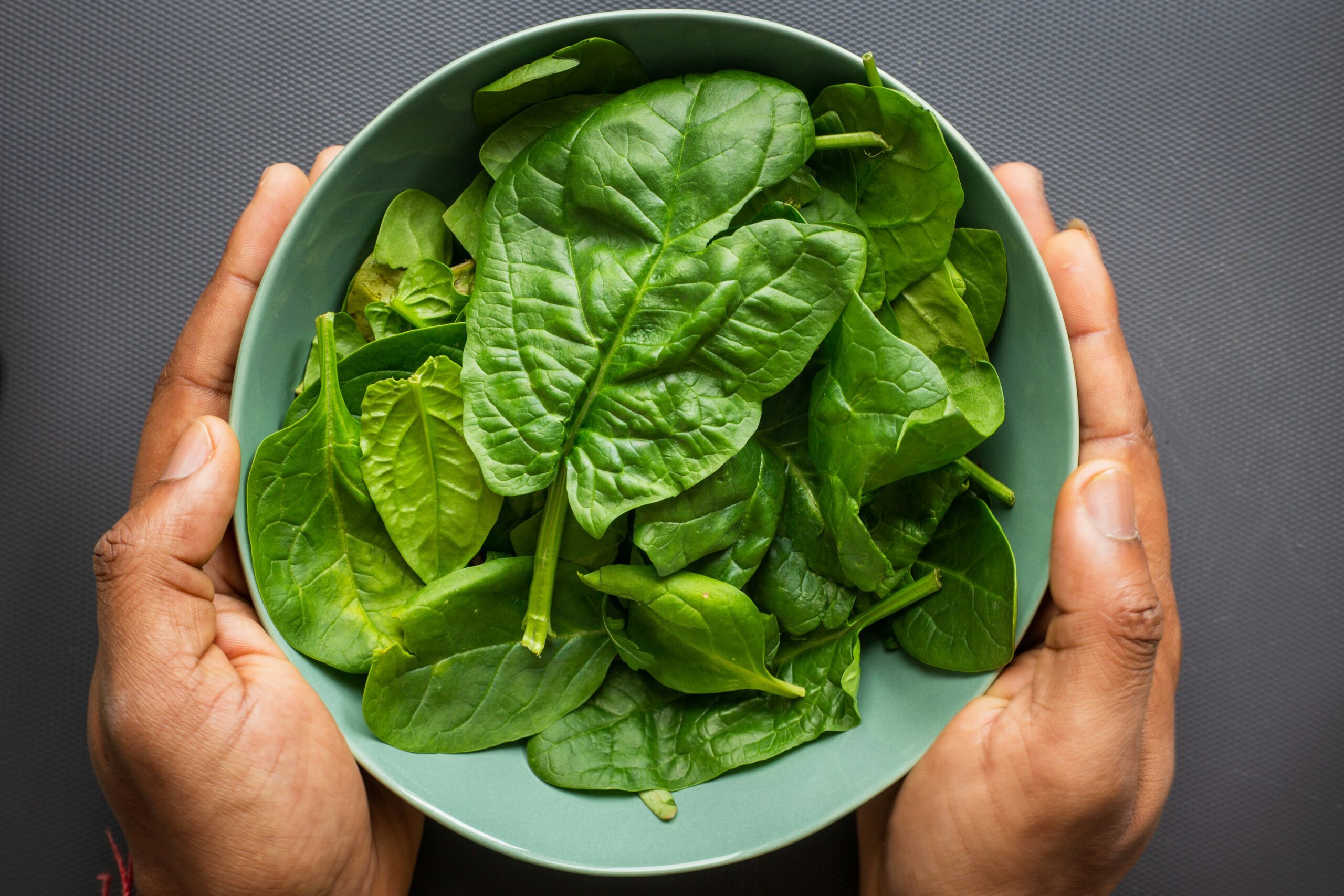
- 🥬 Spinach
- 🥦 Brussels sprouts
- 🍊 Citrus fruits
- 🍅 Tomatoes
- 🥬 Kale
- 🍑 Apricots
One surprising fact?
Red bell peppers contain even more vitamin C than oranges, making them one of the richest natural sources available.
Eat the rainbow
One easy rule many nutrition experts recommend is simple:
The more colorful your plate, the better.
Bright orange, red, yellow, and dark green fruits and vegetables are naturally rich in antioxidants that support overall health—including nutrients linked with healthy brain function.
Rather than relying on just one “superfood,” aim for a variety throughout the week.
Fresh is often best
Whole fruits and vegetables provide fiber and a wide range of naturally occurring plant compounds that work together.
Freshly prepared produce also retains nutrients that can diminish over time with storage or processing.
Whether it’s adding spinach to an omelet, snacking on bell peppers, or enjoying berries with breakfast, small daily choices can help increase your intake of these important nutrients.
No single food can prevent Alzheimer’s disease, and no study suggests that simply eating more vitamin C or beta carotene will stop memory loss.
However, researchers continue to explore the connection between nutrition and brain health, and diets rich in colorful fruits and vegetables remain one of the simplest ways to support healthy aging.




![Chronic Stress in Pregnant Mothers Produces Dramatic Effects [Video]](https://www.thealternativedaily.com/wp-content/uploads/2012/10/pregnantstress.png "Chronic Stress in Pregnant Mothers Produces Dramatic Effects [Video]")