


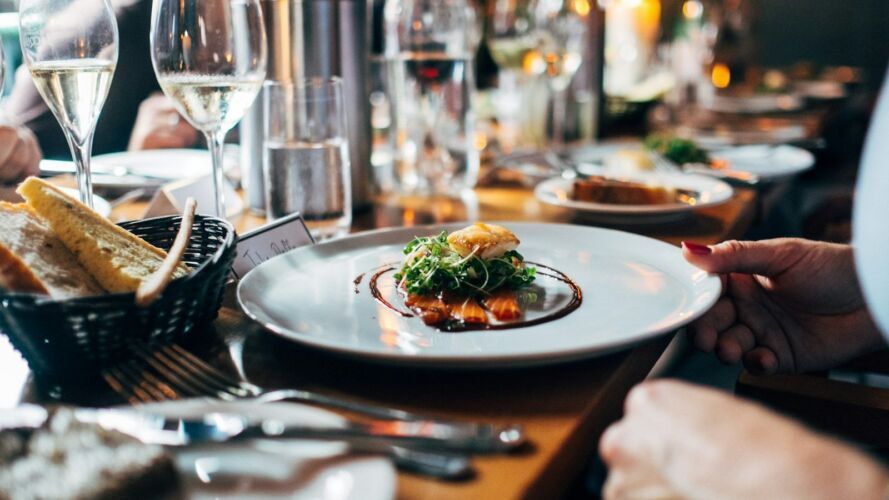
Late heavy dinners have a talent for turning a “reward meal” into a restless night—and every morning into a fog that blames the alarm clock instead of the feast at 9:30 p.m. A rich late plate is not always a moral failure. Sometimes it is the only real meal after a stacked day, a second dinner of snacks after the kids are down, alcohol with the plate that quietly fragments sleep, or a wind-down that never starts because digestion is still the main event.
Another feast-late-and-hope habit can feel like a plan. Buying one more “sleep” gummy can help some people. It is a blunt tool when every week still starts with a heavy late dinner, then tossing, then morning clarity that never quite arrives, while an earlier dinner window, a lighter evening plate, and a real wind-down go unfixed.
This is not medical advice and not a diagnosis of insomnia, reflux disease, sleep apnea, or anything else. See a clinician for loud snoring with gasping, daytime sleepiness that is dangerous, severe reflux that will not settle, unexplained weight loss, chest pain, or nights that stay broken despite sensible meal timing and lighter evenings. Those are clinician problems—not another DIY “eat at midnight and hope morning feels clear” speech.
For the common “I eat heavy and late, sleep feels restless, and mornings feel stolen” pattern in otherwise well adults, quieter evening meal habits often beat feast-late-and-hope: shift dinner earlier when you can, keep the evening plate lighter with protein and vegetables instead of a banquet, cut the “second dinner” snack pile, run a personal alcohol-with-dinner experiment, protect a consistent wind-down, and keep early email without making midnight peak digestion.
You can keep early-morning email. Just do not chase the inbox at dawn while ignoring the late heavy dinners that quietly stole the overnight recovery you needed to enjoy it.
Late heavy meals keep the gut working when you want to sleep
A rich late dinner is a quiet signal to your body: stay busy digesting. You do not need invented statistics to notice your own pattern—restless at midnight, foggy at 9 a.m., reaching for more caffeine. The point is not a monastery vow against every evening meal. The point is fewer nights where the heaviest plate of the day is also the latest.
Earlier quieter dinners beat later hope. Shift the window when your schedule allows. Prefer a satisfying but not stuffed plate.
Keep the early inbox. Pair it with evenings that actually wind down.
Morning fog often starts at the dinner table—not the alarm
Most people blame the morning when the load was stacked the night before. A heavy late plate can sit next to thinner sleep and a sluggish gut feeling on waking. Another ignore-and-hope week of late feasts can feel like “just how I am” when timing and portion are still untested levers.
Think quieter swaps, not a forever ban on enjoyment. Notice whether mornings feel clearer after earlier, lighter dinners. Keep celebration meals—just do not make every Tuesday a banquet at bedtime.
Clarity is easier when overnight is not peak digestion.
Use an earlier dinner window when your schedule allows
“When schedule allows” is the honest phrase. Shift-workers and late meetings are real. Still, many evenings have twenty to forty minutes of wiggle room you have been spending on scrolling before cooking. Pull dinner forward when you can. Even a modest shift beats another week of feast-at-ten as the default.
You do not need a 5 p.m. dinner cult. You need fewer nights where the only plan is willpower against a fridge at 10 p.m. Earlier windows are unglamorous. They often matter more than another sleep-score app.
Timing is a lever. Use it.
Build a lighter evening plate—protein and vegetables without a feast
Lighter does not mean sad salad martyrdom. It means protein, vegetables, and enough starch to feel satisfied—without a second rich course, a dessert stack, and a snack pile that turns into dinner round two. You are giving overnight recovery a chance instead of asking your gut to finish a banquet while you try to sleep.
Keep flavors you like. Skip the “I earned a feast every night” loop if mornings keep feeling borrowed. A solid evening plate beats grazing-plus-hope.
Satisfaction without stuffed is the quiet goal.
Cut the “second dinner” snack pile after the plate
The meal ends, then the cupboard opens. Chips, leftover pasta, sweet bites—another quiet load on top of dinner. That second dinner is often the part that pushes you from comfortably full into restless. Close the kitchen on purpose after the plate when you can.
You are not rejecting snacks forever. You are noticing whether nights and mornings improve when the plate is the last big eating event. Keep early email; decide the evening food window before autopilot hits the pantry.
One dinner beats dinner-plus-second-dinner as the default.
Run an alcohol-with-dinner experiment—personal data, not dogma
Alcohol with a heavy late meal affects sleep differently for different people. Some notice more fragmentation and next-day fog; others notice little. The useful move is a short personal experiment: hold or reduce evening alcohol for a week and watch your own mornings—not a purity lecture.
If wine with late dinner reliably worsens sleep and clarity, that is useful data. If an occasional drink with an earlier lighter meal stays fine, keep your own judgment—especially alongside early email the next day.
Personal experiments beat borrowed rules.
Protect a consistent wind-down—digestion and sleep travel together
Meal timing works better next to a real wind-down: dimmer light, fewer bright work tabs, a consistent sleep window. Late heavy dinners plus bright screens plus a sliding bedtime is a triple stack. Soften one or two of those levers this week.
Keep early-morning email. Support clearer mornings with an earlier dinner window when possible, a lighter evening plate, no second-dinner snack pile, a personal alcohol experiment, and a wind-down that treats overnight as recovery—not overtime for the gut.
Home habits are not a contest against medicine. Start with one change. Give it a fair run. Late heavy dinners often stop quietly stealing morning clarity when the evening plate stops being a banquet—and when red flags appear, you get evaluated instead of DIY-ing another week of feast-and-hope.