


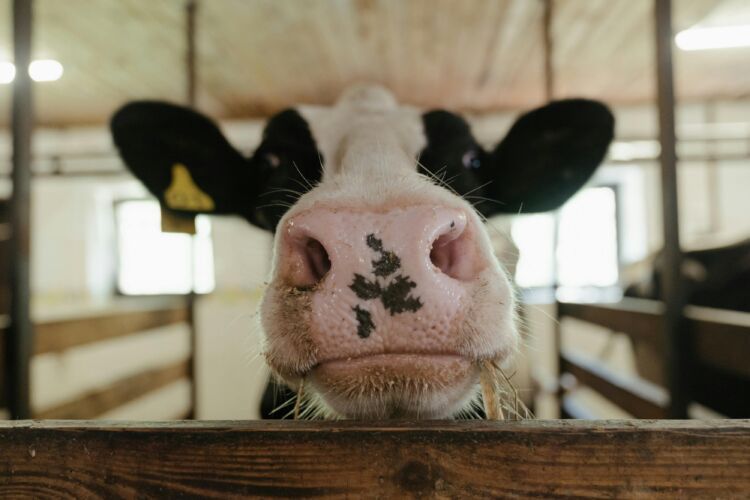
If you buy milk, work with livestock, or have followed the bird flu headlines, Nebraska’s first confirmed case of highly pathogenic avian influenza in a dairy herd is a moment to note. Eighteen months into the wider outbreak, the virus continues to crop up in U.S. livestock, even as growth in new detections has slowed. State and federal officials say the affected Nebraska herd is under quarantine while testing and tracing move forward. The overall risk to the general public remains low, but persistent spillover into mammals keeps scientists on alert.
What Nebraska Confirmed
Nebraska’s agriculture department, working with USDA’s Animal and Plant Health Inspection Service, confirmed H5N1 in a dairy operation and placed the herd under movement controls. The National Veterinary Services Laboratories identified the virus as closely related to a strain detected in California, a link that helps trace how the virus circulates across regions. Veterinarians expect most affected dairy cattle to recover with supportive care, and deaths in cattle remain uncommon. Officials are continuing on-farm assessments to evaluate animal health, biosecurity practices, and potential pathways of introduction.
How This Fits the National Picture
Since H5N1 was first identified in cattle in March 2024, more than 1,000 dairy herds across 17 states have been affected. Notable detections in recent months include Texas, Arizona, Idaho, Nevada, Michigan, and California, underscoring a geographic footprint that spans multiple regions. The pace of new reports has eased compared with earlier waves, yet the virus persists and occasionally seeds new clusters. Nebraska’s case suggests the pathogen’s footprint remains dynamic, even as farms work to tighten biosecurity and agencies refine surveillance.
What It Means for People
Public health officials continue to characterize the risk to most people as low. At least 70 human infections have been recorded nationally, including 41 linked to exposure to infected dairy cattle, which highlights the elevated risk for those with direct animal contact. Symptoms often resemble seasonal influenza and can include fever, chills, muscle aches, sore throat, eye irritation, and fatigue. Experts remain concerned about ongoing spillover into mammals, since repeated cross-species jumps can offer opportunities for the virus to adapt in ways that could improve human-to-human spread. The United States reported its first H5N1-linked death in early January in Louisiana, involving a patient older than 65 with existing health conditions who was infected with the D1.1 variant.
How H5N1 Spreads Across Species
H5N1 circulates primarily in wild birds, which can shed the virus through feces and respiratory secretions and spread it along migratory routes. Spillover into domestic poultry has been a hallmark of recent seasons, with periodic introductions into dairy cattle, small ruminants such as goats, and a range of wildlife, including coyotes and opossums. Each new host species broadens the virus’s ecological reach and complicates control. While cattle infections tend to be less severe than outbreaks in birds, livestock movements and shared equipment can amplify spread across farms if biosecurity lapses.
Farm and Market Impacts
For dairy producers, the near-term economic hit can be real. Infected herds commonly see milk yields drop by roughly 20 percent during illness, which can strain farm finances and ripple through local supply chains. Poultry producers offer a cautionary tale from earlier waves, when flock losses contributed to a significant egg shortage and price spikes. Nebraska’s detection is a reminder that supply vulnerabilities remain, especially when the virus jumps between species that anchor key food sectors.
Who Faces Higher Risk
Most people are unlikely to encounter infected animals, but those who do have frequent contact with livestock, poultry, or potentially contaminated materials face higher risk. Farmers and dairy workers, veterinarians and animal health technicians, and personnel who handle animals or animal products can be exposed through close contact in barns, milking parlors, or processing facilities. Public health guidance continues to stress protective equipment, hygiene, and prompt testing for anyone with compatible symptoms after exposure. Rapid reporting from employers and clinicians remains central to limiting spread and catching rare severe cases early.
How Authorities Are Responding
At affected sites, quarantines and movement controls are standard to reduce the chance of onward transmission. State agencies coordinate closely with USDA APHIS and the National Veterinary Services Laboratories for confirmatory testing, genetic analysis, and epidemiological tracing. Officials emphasize frequent monitoring of herds, quick detection of new illnesses, and farm-level biosafety steps such as isolating sick animals, managing equipment sanitation, and limiting unnecessary traffic on and off properties. As Nebraska proceeds with its investigation, the focus is on shrinking the window for spread while protecting both animal and human health.
What to Watch Next
Key questions now center on whether H5N1 will keep circulating in cattle and other mammals, which would expand the opportunities for viral adaptation. Another focus is whether enhanced biosecurity and surveillance can contain spread without further shocks to dairy and poultry markets. For high-exposure workers, ongoing occupational infections raise the issue of what additional protections, training, or monitoring may be warranted. Nebraska’s first dairy detection is a fresh signal that the virus remains a moving target, and that vigilance at the farm level, paired with sustained public health coordination, is still the best defense.