


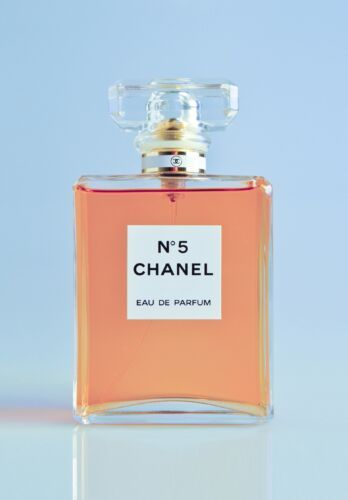
The lotion smells like “ocean mist.” The ingredient list says fragrance. U.S. cosmetic rules allow companies to hide a mixture of scent chemicals — sometimes including phthalates used as solvents and fixatives — behind the single word “fragrance.” You cannot audit what you are not allowed to see.
Phthalates are plasticizers. In personal care they have also been used to make scent linger. FDA’s last detailed cosmetic survey, in 2010, found dibutyl phthalate and dimethyl phthalate rare in the products checked, and diethyl phthalate (DEP) still commonly used in fragrances. The agency says available information does not show DEP, as currently used, poses a known risk. It also tells people who do not want DEP to choose products that do not list fragrance or flavor. That is a shrug dressed as advice.
Why don’t fragrance ingredients have to be listed?
The Fair Packaging and Labeling Act requires an ingredient declaration on cosmetics sold to consumers. The implementing rule, 21 CFR 701.3, allows fragrance or flavor to be listed as fragrance or flavor. Individual constituents can stay in the perfume house’s vault. Professional salon products used only in shops are not even under that consumer labeling rule.
European rules have been stricter on several phthalates in cosmetics. U.S. shoppers are left with a word that can mean fifty materials or five. CDC biomonitoring has found phthalate metabolites widely in the U.S. population for years. Cosmetics are not the only source — vinyl, food packaging, and dust share the load — but a daily lotion is a source you can actually swap.
Are phthalates in perfume dangerous?
Some phthalates are treated as reproductive toxicants in other jurisdictions and uses. DEP is the one FDA still treats as common in fragrance and not, on current evidence, a demonstrated hazard at cosmetic levels. That is not the same as a public recipe. Pregnant people and parents of young children have extra reason to reduce avoidable endocrine-active exposures even when a single compound is still permitted. Unscented is a control. “Phthalate-free” is a marketing claim unless you trust the brand’s testing.
How can you avoid hidden fragrance chemicals?
- Choose unscented products when the scent is not the point — detergent, lotion, cleaner.
- If you want perfume, pick houses that publish full breakdowns, knowing that is still a trust exercise.
- Skip “flavor” in lip products if you are trying to leave the black box.
- Do not confuse “natural fragrance” with a full disclosure. Natural is not a list.
How can you buy personal care without a hidden fragrance blend?
Choose products labeled fragrance-free, and then read the list anyway. Essential-oil blends are still fragrance by another route if they are there to perfume the room. “Unscented” can mean a masking scent was added to hide raw-material smells. Shorter lists on soap, moisturizer, and detergent cut the number of mystery mixtures. Skip aerosol body sprays that exist only to fog a hallway.
Phthalates in cosmetics are not the whole map. Vinyl shower curtains, some food-contact plastics, and dusty indoor air share the load. CDC biomonitoring has found metabolites widely for years, which is a population fact, not a diagnosis. The useful move is still local: stop buying extra perfume you did not need, air out the bathroom, and keep lotion simple. If a clinician has you avoiding specific plasticizers for a medical reason, follow that, not a social-media panic list.
Smell is optional. Skin is not. Buy the cream that names its ingredients. Leave ocean mist in the ocean.
Your nose is not a laboratory. The label is supposed to be. Until fragrance is unpacked, unscented is the honest bottle.
The Fair Packaging rule’s fragrance exemption is why a literate shopper still cannot finish the sentence. Until that changes, the practical move is fewer scented products, not a PhD in perfume chemistry. Soap should clean. Lotion should moisturize. Neither job requires a secret mixture labeled as a mood.