


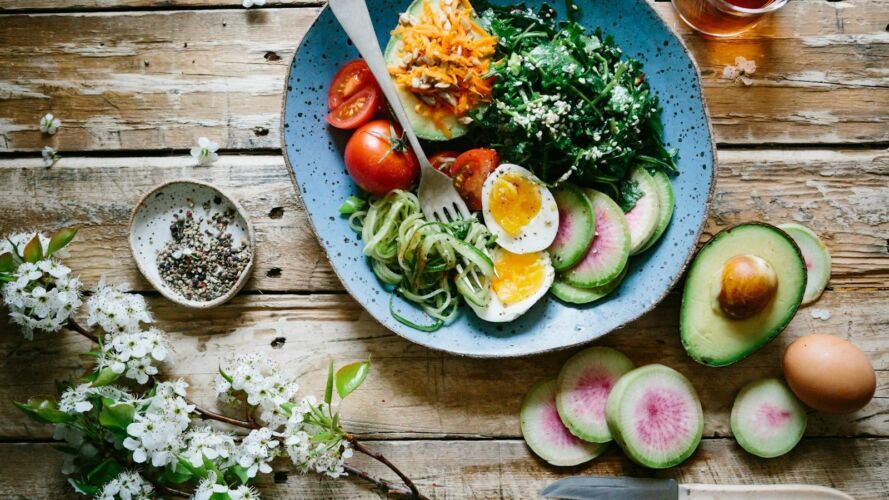
Chew thoroughly and put the fork down between bites
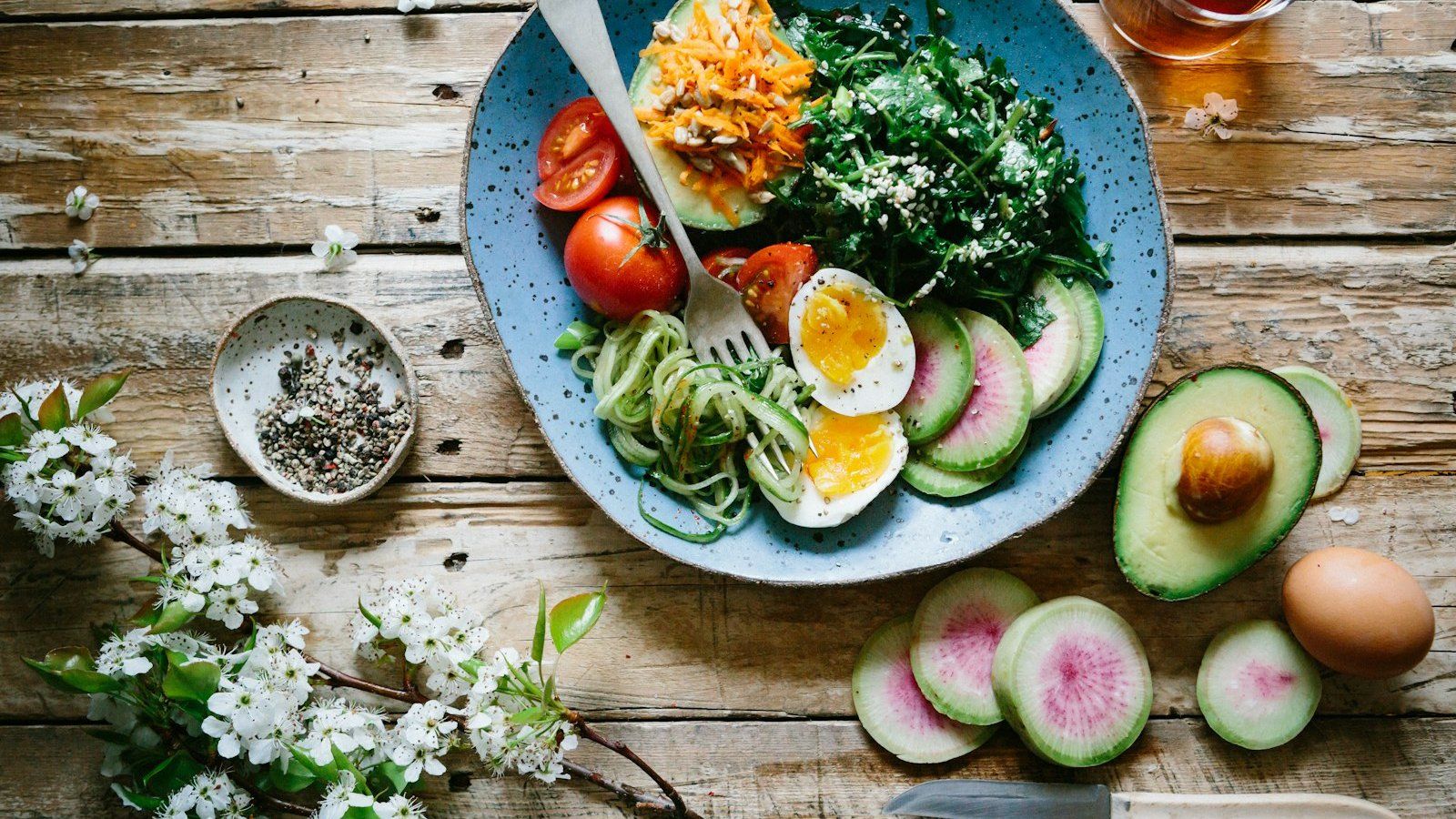

Speed-eating is a quiet bloating tax. Chew thoroughly and put the fork down between bites so fullness can register before you overshoot. You are not joining a mindfulness cult. You are giving your gut a pace it can keep. Keep early inbox time; make lunch a meal, not a race against the calendar invite. Slower bites beat another peppermint-and-hope afternoon. One pause mid-plate is enough to start.
Take a short walk after your largest meal
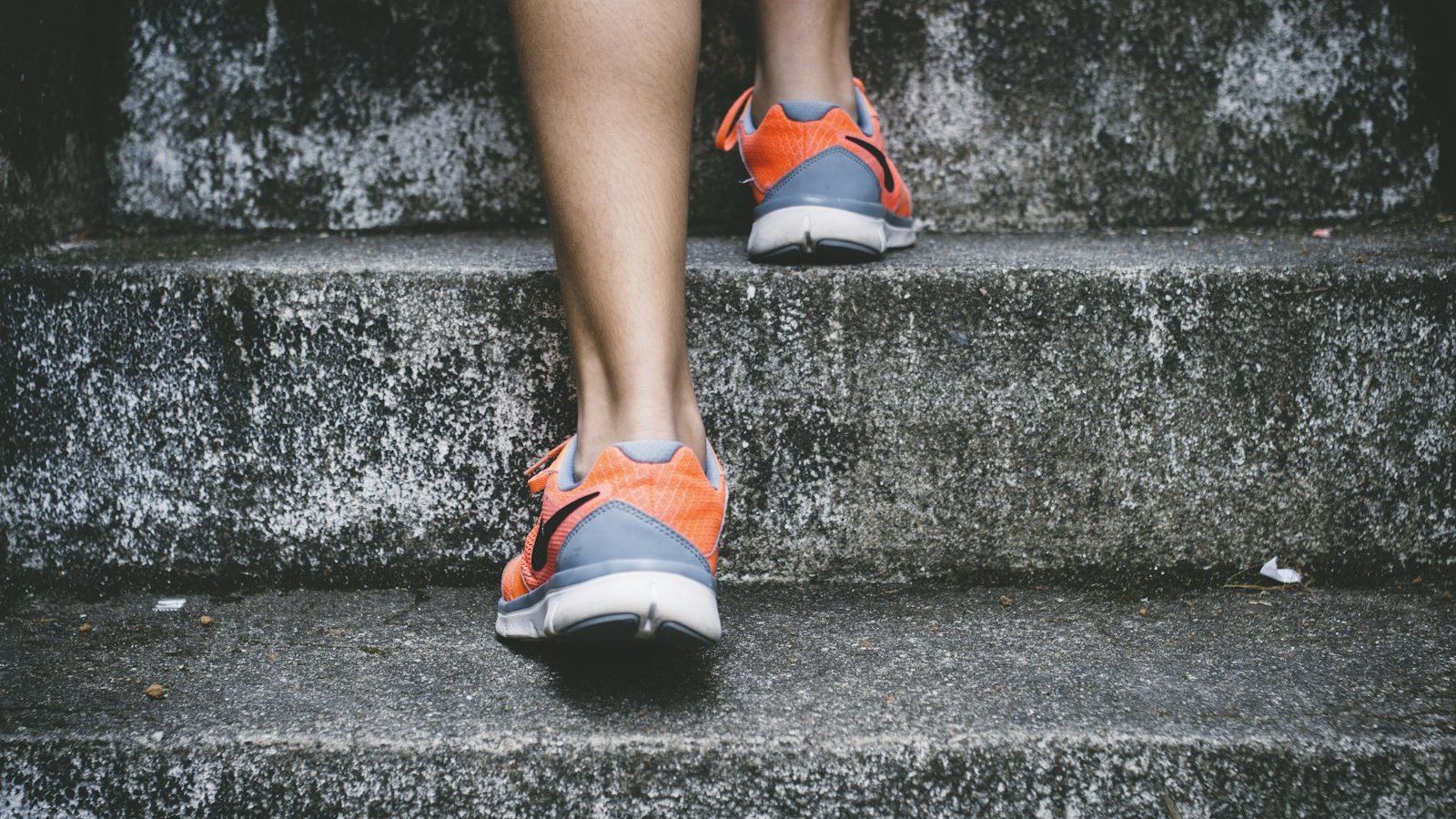
A short walk after your largest meal supports everyday comfort many people notice more than another capsule. Ten minutes counts. Stairs and a hallway loop count. You are not training for a race—you are skipping the glued-to-chair post-meal hour. Keep morning email; attach a walk to a break you already take. Soft movement beats sitting-and-hope as the only digestion plan. Walk first; shopping tabs later.
Drink water across the day—not a flood only at dinner
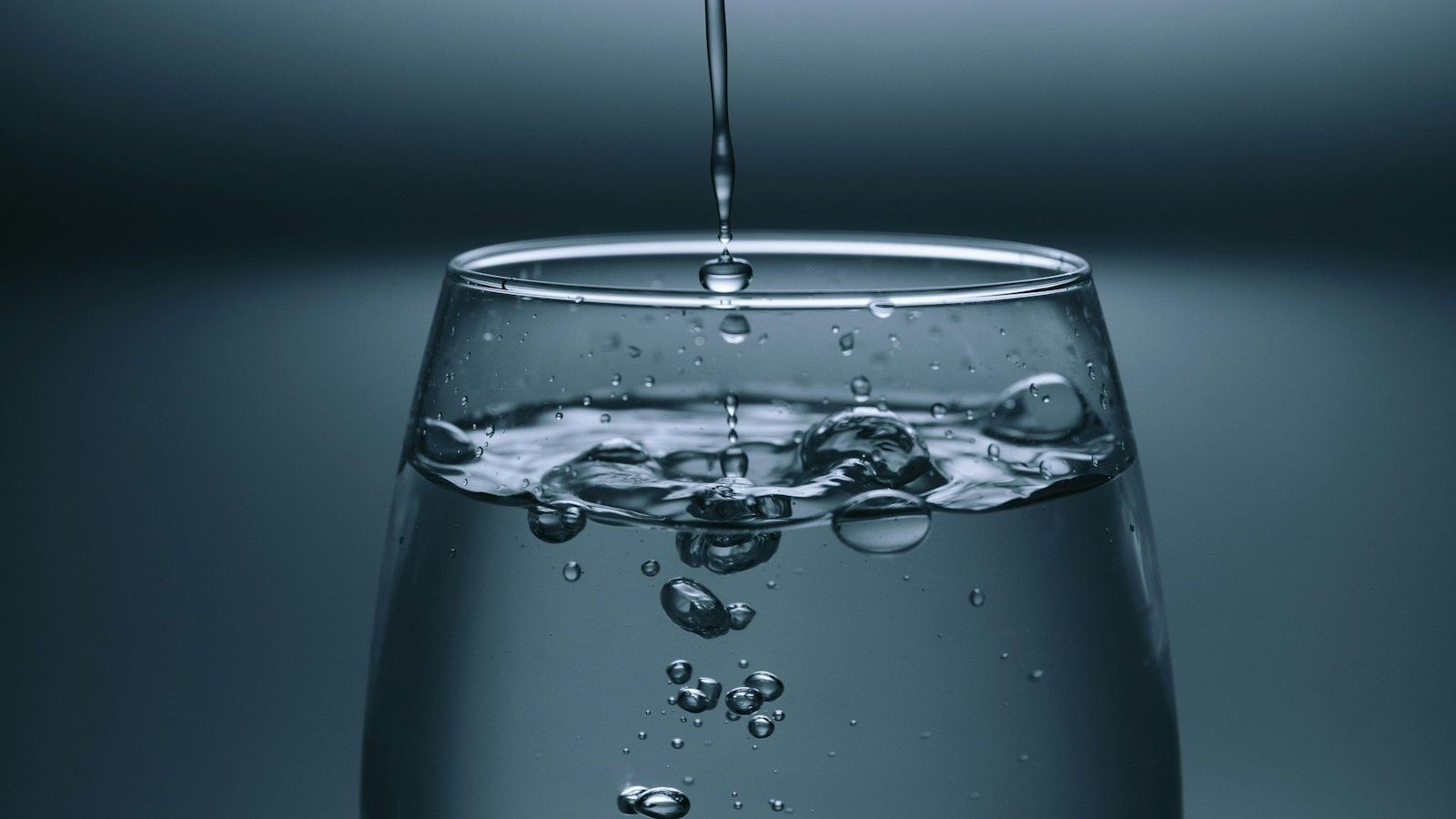
Saving all your water for a flood at dinner can leave you uncomfortable and still under-hydrated earlier. Sip across the day instead. Keep your morning coffee if you like it—especially alongside early email—just add water between meals when afternoons feel thick. You do not need a gallon cult. You need fewer days where thirst and a huge late gulp are the only plan. Steady water beats flood-and-hope.
Notice carbonation, gum, and sugar-alcohol experiments
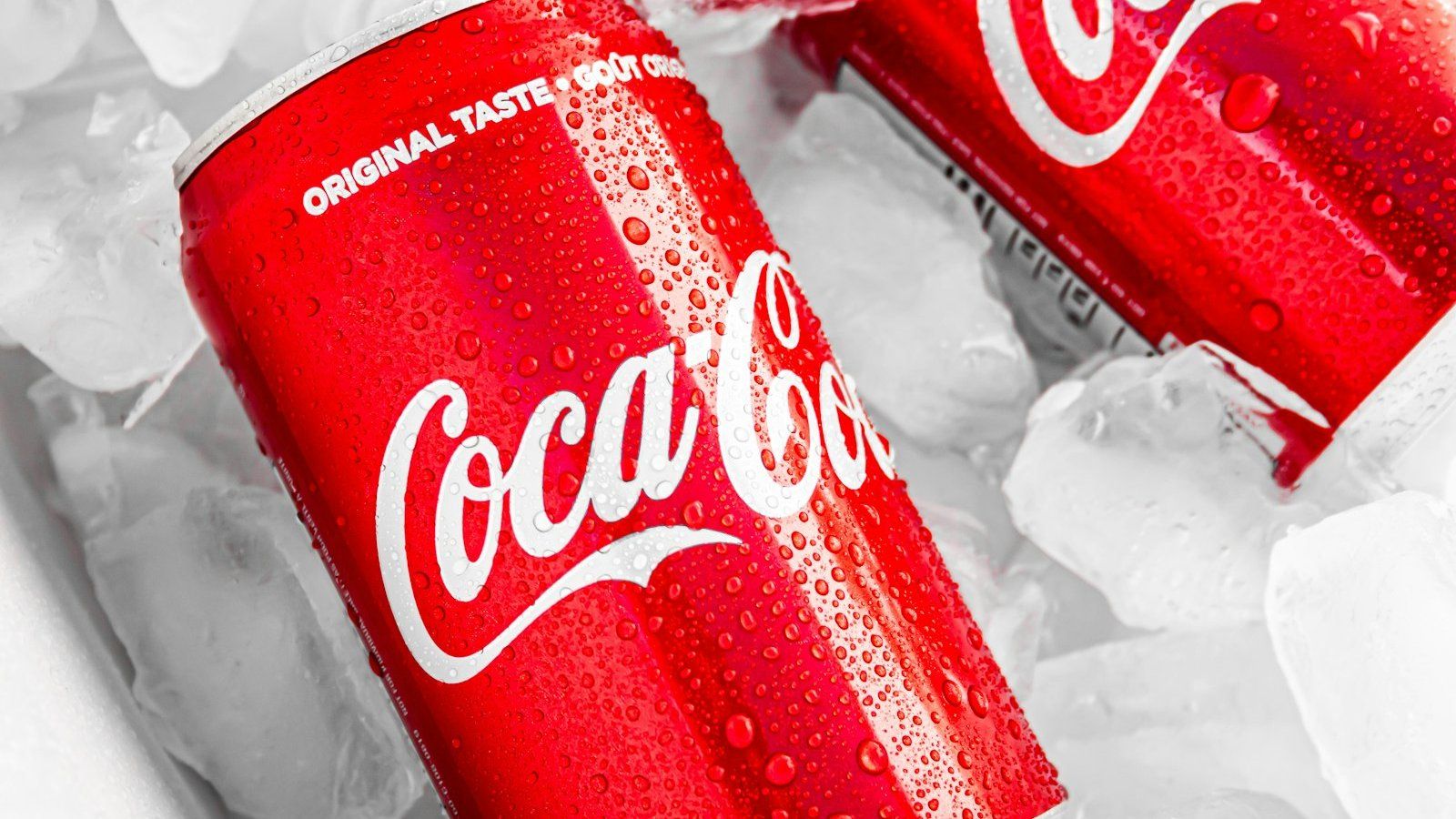
Bubbly drinks, gum, and sugar alcohols affect people differently. Some notice more gas; others notice nothing. Hold or reduce one variable for a week and watch your own pattern—not a purity lecture. If afternoon soda worsens bloating, that is useful data. If sparkling water stays fine, keep it. Personal experiments beat borrowed dogma every time. Your gut, your notes.
Keep dinner earlier when your schedule allows
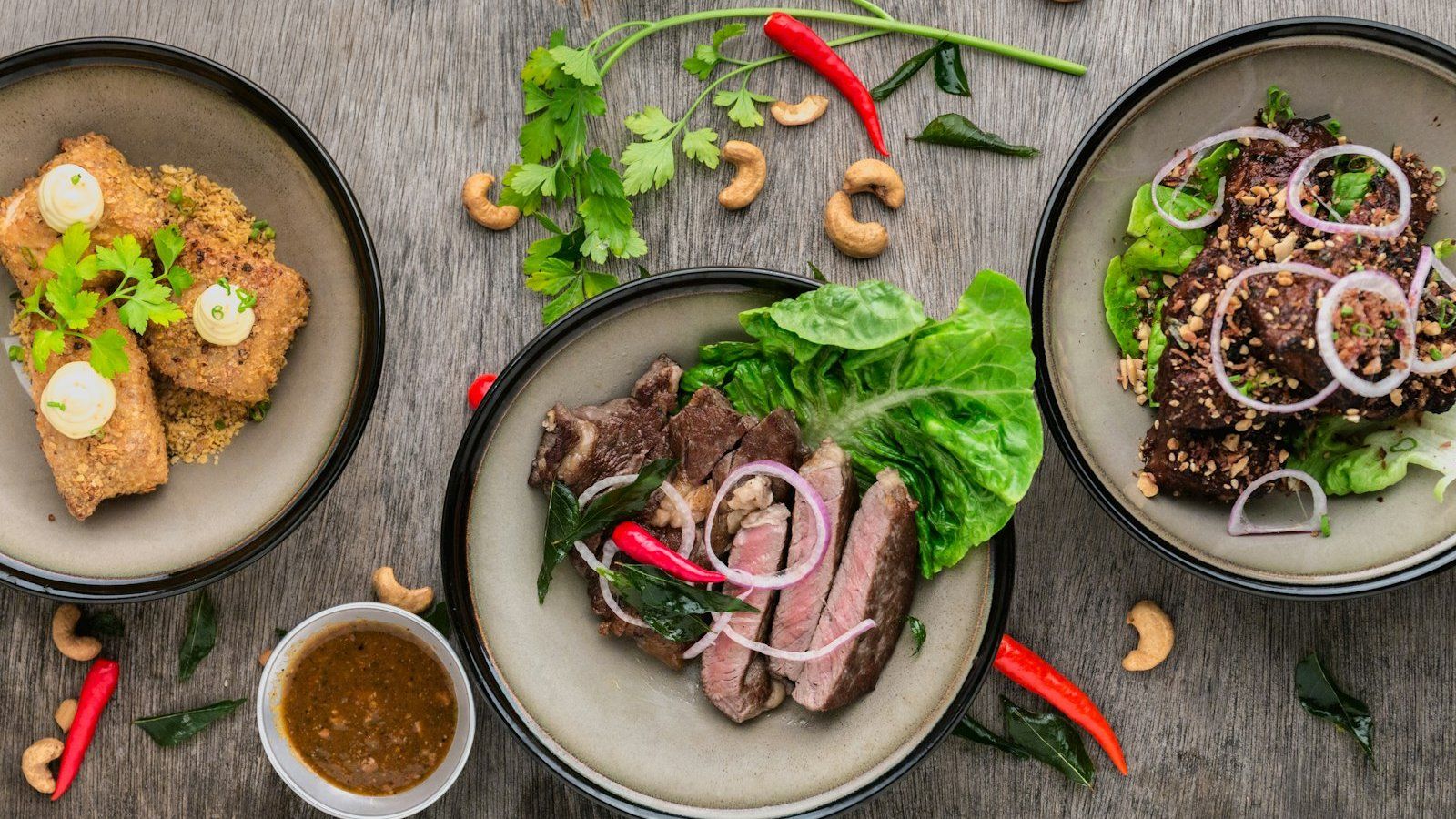
A late heavy dinner can leave the gut working when you want to sleep. Shift dinner earlier when your schedule allows—even a modest move helps. You do not need a 5 p.m. cult. You need fewer weeks where feast-at-ten is the default. Keep early email; decide the evening food window before autopilot hits the fridge. Timing is a quiet lever—use it.
Build plates around real food, not a second snack pile
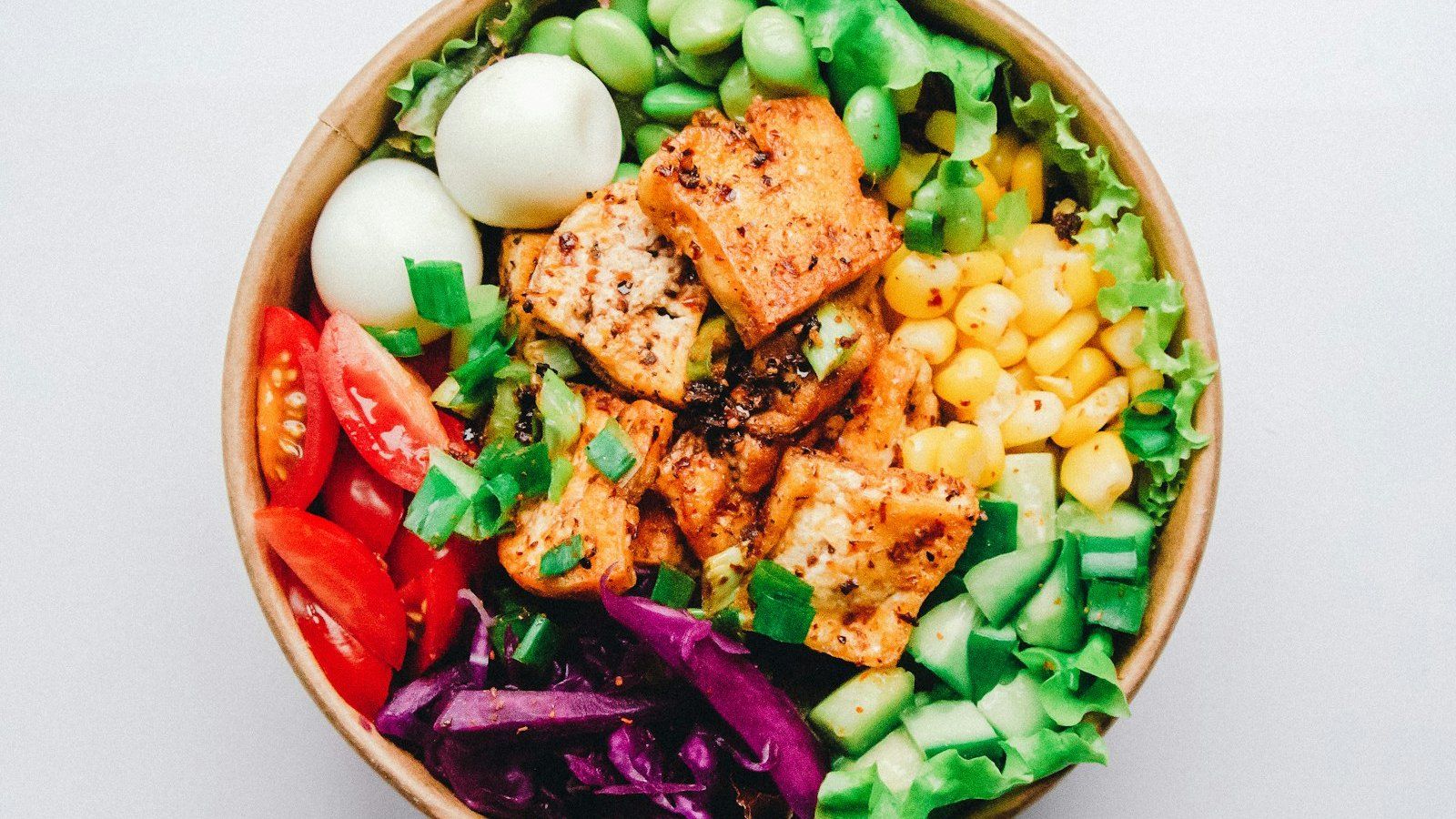
A solid plate of protein, vegetables, and a starch you tolerate often beats grazing-plus-hope and a second snack pile after dinner. You are not running a cleanse. You are giving digestion a clear job instead of all-day nibbling. Keep flavors you like. Close the kitchen after the plate when you can. Real food beats snack-stack as the only evening plan.
Loosen the waistband and unslump after eating
A tight belt and a desk hunch can make ordinary fullness feel louder. Loosen the waistband. Sit taller for a few minutes. Stand or walk after the meal when you can. You do not need a posture gadget. You need fewer afternoons of suck-it-in-and-hope. Unslump beats compressed digestion as the only desk strategy. Comfort is mechanical, not vanity.
Protect a consistent sleep window (gut and sleep travel together)
Sleep debt and a sliding bedtime can make ordinary gut discomfort feel louder the next day. Protect a consistent sleep and wake window when you can—even if early email stays in the morning routine. You do not need a sleep cult. You need fewer weeks where late nights are default and mornings feel borrowed. Gut and sleep travel together. Timing helps both.
Skip the extreme detox reboot and juice-only weekends

Extreme detox reboots and juice-only weekends often swing you from deprivation to rebound feasting—and leave everyday digestion untrained. Skip the reboot theater. Build boring consistency: real meals, water, walking, earlier dinners when you can. Keep morning email; skip the cleanse that promises a new gut by Monday. Steady habits beat detox-and-hope. Your gut likes rhythm more than drama.
Know when bloating or pain needs a clinician
Quiet habits help ordinary pace-and-meal-related bloating. They are the wrong tool for severe pain, vomiting, blood, unexplained weight loss, fever, sudden severe distension, or symptoms that keep escalating. Keep morning email; support everyday digestion with slower chewing, walks, water, experiments, earlier dinners, real-food plates, posture, sleep timing, and no detox drama—and get real care when red flags show up. Habits beat hope; red flags beat DIY.