


Your liver is working around the clock.
It processes nutrients, helps remove waste products from your blood, produces bile for digestion and performs hundreds of other jobs necessary to keep you alive.
Yet when people talk about “cleaning” the liver, the conversation often turns to expensive juices, detox teas and supplements.
Here’s the good news:
Your liver doesn’t need a trendy cleanse.
What can help is giving it the everyday nutritional support it needs—and several ordinary foods fit surprisingly well into a liver-friendly diet.
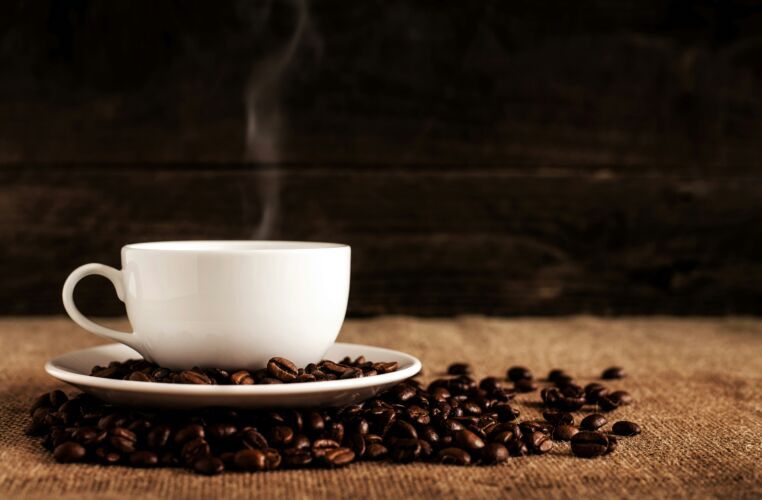
1. Coffee
This one surprises people.
Coffee is one of the most extensively studied beverages in relation to liver health, and observational research has repeatedly linked regular coffee consumption with better liver-related outcomes.
That doesn’t mean you need to start drinking six cups a day.
And what you add to your coffee matters. A cup of coffee and a dessert-like drink loaded with syrups and whipped cream aren’t nutritionally equivalent.
For people who already enjoy and tolerate coffee, a few simple cups can fit comfortably into an overall healthy diet.
2. Oatmeal
Your liver and your gut are more connected than you might think.
Oats provide soluble fiber, including beta-glucan, which can support healthy cholesterol levels and help you feel full.
Replacing highly refined breakfast foods with oatmeal can also make it easier to improve the overall quality of your diet.
Just watch the flavored packets. Some contain considerably more added sugar than plain oats.
3. Berries
Blueberries, strawberries, raspberries and blackberries are rich in plant compounds called polyphenols.
They’re also a convenient way to add fiber and nutrients to breakfast without loading it with added sugar.
Try adding a handful to oatmeal or plain Greek yogurt rather than relying on sweetened breakfast products.
4. Cruciferous Vegetables
Broccoli, cauliflower, Brussels sprouts and cabbage don’t sound as exciting as a “7-day liver detox.”
But they’re considerably more useful as part of a long-term healthy eating pattern.
They’re rich in fiber and contain plant compounds called glucosinolates.
You don’t need enormous portions. Simply making vegetables a regular part of lunch and dinner is a more sustainable strategy than periodically trying to “cleanse” your body.
5. Nuts
Walnuts, almonds, pistachios and other nuts provide unsaturated fats, fiber, protein and a variety of micronutrients.
A small handful makes an easy replacement for highly processed snacks such as chips, cookies or crackers.
Portion size matters because nuts are calorie-dense. Think small handful, not half the container.
6. Fatty Fish
Salmon, sardines, trout and other fatty fish provide omega-3 fatty acids.
Replacing some meals built around processed or fatty meats with fish can help improve the overall fat profile of your diet and support cardiovascular health as well.
Try grilled salmon with vegetables, sardines on whole-grain toast or trout with a side of greens.
What About “Liver Detox” Foods?
Here’s where things often get confusing.
Lemon water, apple cider vinegar, celery juice, turmeric shots and various supplements are frequently promoted as ways to “flush toxins” out of your liver.
Your liver doesn’t work like a dirty filter that needs to be periodically rinsed out.
It’s continuously processing substances in your blood.
One of the most useful things you can do for it isn’t a three-day cleanse. It’s what you do during the other 362 days of the year.
Eat more minimally processed foods. Get plenty of fiber. Maintain a healthy weight. Limit excessive alcohol. Stay physically active.
And if you have diabetes, high cholesterol or high triglycerides, work with your healthcare provider to keep those conditions under control.
Your liver is already doing the detoxing.
Your job is simply to make its job a little easier.