


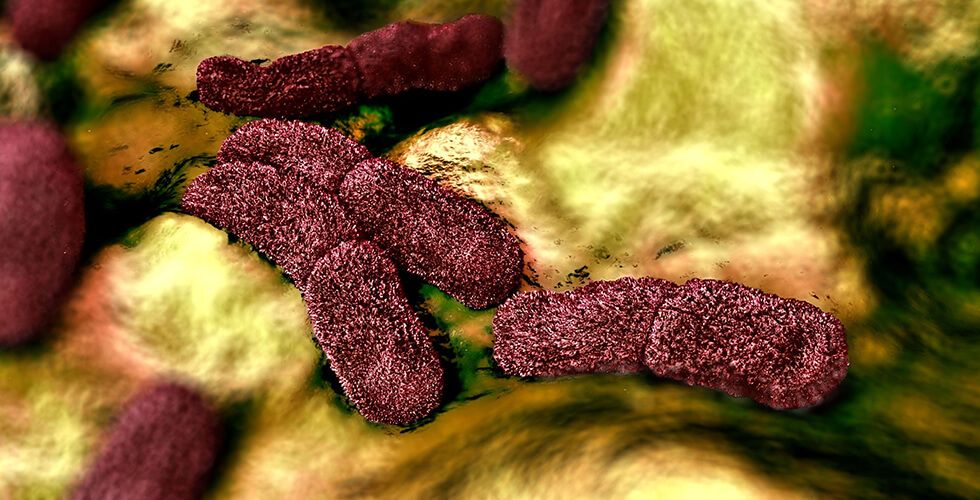
Health officials in Coconino County, Arizona, are taking swift precautions following the death of a patient from Yersinia pestis, the bacteria that causes the plague. The patient arrived at Flagstaff Medical Center showing symptoms and died later the same day. Test results later confirmed the rare infection.
The Arizona Department of Health Services and local authorities quickly launched contact tracing, issued public health guidance, and administered preventive antibiotics to individuals potentially exposed. Officials have not disclosed the number of people treated or whether any displayed symptoms.
While the term “plague” often evokes memories of the 14th-century Black Death, modern outbreaks are rare and treatable. “That kind of mass outbreak won’t happen again,” said Will Humble of the Arizona Public Health Association. “We now know how to manage this disease.”
Infectious disease expert Dr. Sami Hoshi explained that confirming a plague case takes time, as specialized lab testing is required. Fortunately, nearly all hospitals carry antibiotics effective against pneumonic plague, the most severe form.
The recent prairie dog die-off in northeast Flagstaff was investigated but deemed unrelated to the cause. However, officials continue to monitor for rodent die-offs, a potential warning sign of local plague activity.
According to the Cleveland Clinic, the plague is usually transmitted through flea bites from infected animals. Symptoms include fever, nausea, fatigue, diarrhea, and dizziness. The U.S. typically sees only a handful of cases annually.
To reduce risk, residents are advised to avoid contact with wild animals, use a DEET-based insect repellent, and keep pets protected with flea treatments. Prairie dog die-offs or sightings of sick animals should be reported to Coconino County Health at 928-679-8756.
While the source of infection is still under investigation, officials emphasize that the risk to the general public remains low.