


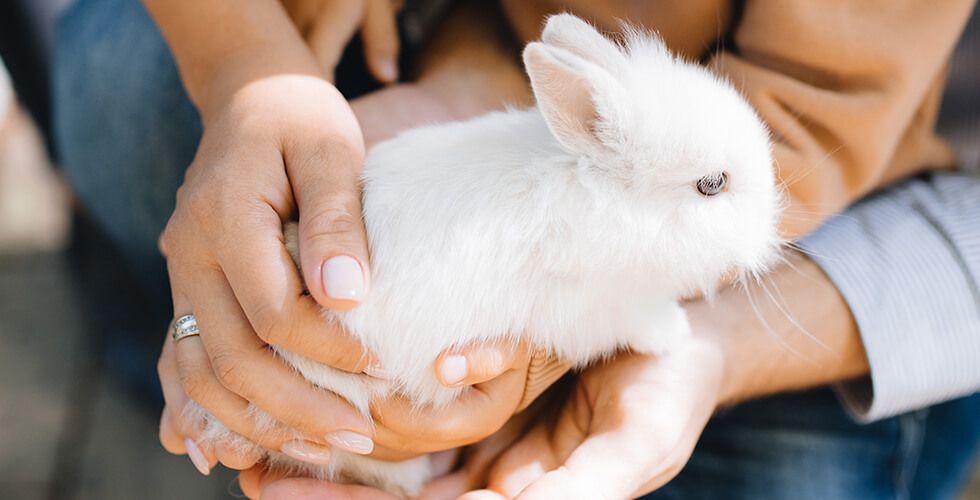
When most people think of therapy animals, dogs are usually the first to come to mind. But there’s another gentle companion quietly making a name for itself in the world of emotional healing: the humble bunny.
Rabbits may not bark or fetch, but their calm, affectionate presence can bring immense comfort to people struggling with stress, loneliness, or emotional trauma. Known for their soft fur, quiet nature, and soothing movements, bunnies provide a kind of therapy rooted in gentleness. Simply stroking a rabbit has been shown to lower blood pressure, release feel-good hormones such as oxytocin, and alleviate symptoms of anxiety.
Therapy programs across schools, nursing homes, and hospitals are now introducing “bunny visits” to help patients relax and open up. For children, rabbits are non-threatening and approachable, making them ideal for teaching empathy, responsibility, and the importance of gentle touch. For seniors, especially those in memory care, holding a bunny can spark joy and even stir long-forgotten memories.
Unlike more active therapy animals, rabbits thrive in peaceful, controlled environments. Their small size allows them to be held in a lap or nestled comfortably on a pillow, creating intimate moments of connection. Many therapists note that the rhythmic sound of a bunny softly munching hay or the simple warmth of its body can help patients focus, calm racing thoughts, and feel grounded.
Beyond structured therapy, families are also discovering the mental health benefits of keeping rabbits as pets. They require routine care, which promotes responsibility, but their quiet companionship provides emotional stability without overwhelming demands.
In a world where stress seems to multiply daily, therapeutic bunnies offer something rare: a pause. They remind us that healing doesn’t always come from noise, action, or medication. Sometimes, it hops in softly, on long ears and gentle paws.