


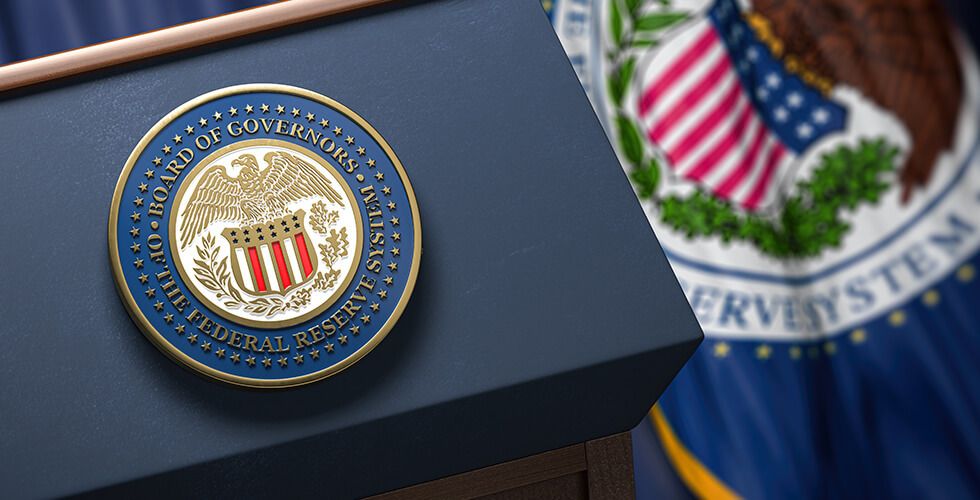
After months of public threats, former President Donald Trump recently backed off his push to fire Federal Reserve Chair Jerome Powell. The official reason? Alleged cost overruns in the Fed’s $2.5 billion headquarters renovation. However, the underlying issue appears to be Trump’s long-standing frustration over Powell’s refusal to cut interest rates.
Under the 1913 Federal Reserve Act, a sitting Fed chair can only be removed “for cause”—such as neglect or misconduct—not for policy disagreements. Legal experts and White House lawyers reportedly warned Trump that firing Powell over monetary policy would likely not hold up in court. Historically, this kind of job protection has insulated Fed chairs from political interference.
However, legal precedent may no longer offer the protection it once did.
In recent years, the Supreme Court’s conservative majority has weakened long-standing statutes that limit a president’s power to fire agency officials. In Trump v. Wilcox (2024), the Court allowed Trump to dismiss leaders of the National Labor Relations Board and Merit Systems Protection Board—despite existing “for cause” clauses in the law. The ruling, issued without full argument, gave the president broad leeway to remove officials who exercise executive power, casting doubt on the durability of similar protections for other agencies, including the Fed.
Although the Court claimed the Federal Reserve is structurally unique and tied to early U.S. banking institutions, it offered no clear legal rationale. Critics argue this vague distinction could be easily disregarded in a future case.
If Trump were to attempt to remove Powell and the case reached the Supreme Court, precedent suggests the Court may side with the president—regardless of what the law says. In today’s legal climate, Powell’s job security could depend more on political will than statutory protection.