


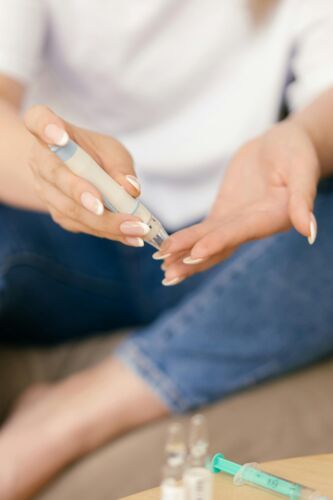
If you have swabbed your nose at the kitchen table, video chatted with a clinician, or checked your sleep score before your morning coffee, you are part of the DIY healthcare shift. This movement is the move from clinic-centered, physician-led encounters to consumer-initiated, at-home and app-mediated testing, monitoring, and treatment choices. It spans convenience care, self-tracking, direct-to-consumer medications, telehealth, and even biohacking, which blurs the line between wellness and medical care. The big questions are simple and urgent. What is driving this change, what are the benefits and risks, and how should patients and clinicians respond?
Why DIY healthcare is accelerating
COVID-19 normalized self-administered diagnostics and remote guidance, moving millions to test and treat at home. The U.S. government alone shipped more than a billion free COVID tests, and emergency flexibilities expanded telemedicine and remote prescribing. Telehealth has since stabilized at roughly a mid-teens share of outpatient visits, a massive leap from pre-2020 levels. In parallel, smartphones, cheaper sensors, cloud analytics, and miniaturized diagnostics now support reliable home data capture and rapid feedback.
Money and access matter too. High deductibles mean more out-of-pocket decisions, with the average single-coverage deductible now over $1,700. Primary care shortages are widening, and rural or underserved patients often face long drives and waits, which makes at-home options appealing. Cultural shifts amplify the trend. Social media communities normalize self-experimentation, while distrust of institutions and long waits push consumers toward autonomy and convenience.
What DIY healthcare looks like today
At-home diagnostics now go far beyond COVID. Consumers can buy rapid tests for respiratory infections, use mail-in kits for cholesterol, thyroid, hormones, vitamin levels, and STIs, or choose stool DNA and FIT kits for colorectal cancer screening. Genetic risk testing is widely marketed, although clinical meaning varies and some offerings are labeled for wellness rather than diagnosis. The alphabet soup of regulation matters here, since CLIA certification, FDA authorization, and sensitivity or specificity rates determine how much you can trust a result.
Wearables and continuous monitoring have become everyday habits. Smartwatches and rings track heart rate, sleep, activity, and temperature trends, and some devices flag irregular rhythms that can prompt clinical evaluation. Continuous glucose monitors have moved beyond diabetes into athletic training and dieting, often wrapped in coaching apps. Connected blood pressure cuffs, pulse oximeters, smart scales, and home ECGs round out the home kit, though accuracy varies and constant measurement can fuel anxiety if not paired with context.
Direct-to-consumer prescriptions and telehealth platforms offer asynchronous care for hair loss, acne, contraception, erectile dysfunction, migraines, allergies, and HIV prevention. Weight-loss programs that prescribe GLP-1 drugs have surged in popularity, along with debate over compounding and supply constraints. Remote prescribing for conditions like ADHD, anxiety, and insomnia remains under scrutiny as rules evolve for controlled substances. The trade-off is clear. Platform convenience and discreet packaging are appealing, but cannot fully replace continuity of care and occasional in-person exams.
DIY care also includes therapies that once required facility visits. Hospital-at-home programs combine remote monitoring with visiting nurses for select conditions. Patients self-administer fertility injections, follow pelvic floor and musculoskeletal rehab through apps and sensors, and explore ketamine-assisted therapy in limited, more regulated settings. IV hydration and vitamin services are marketed for wellness, though medical necessity and safety remain debated. On the outer edge, biohacking communities swap protocols on supplements, peptides, red light, cold plunges, and sauna routines, with enthusiasm that often outpaces regulation and evidence.
How consumers navigate DIY care
Most people discover options on social media, podcasts, and forums long before they talk to a clinician. Brands lean into convenience, discreet packaging, and subscriptions that remove friction but can hide long-run costs. Apps turn self-tracking into habits through dashboards, scores, and streaks, and many users run personal experiments on sleep, diet, and training in a spreadsheet-like fashion. Payment is often out of pocket via subscriptions, HSAs and FSAs, with occasional insurance coverage for approved tests or remote monitoring codes. When patients bring data to their clinicians, interoperability gaps can limit how easily that information enters the medical record, which fragments care if no one connects the dots.
Benefits and promise
DIY healthcare can deliver speed. Faster testing and treatment reduce travel, time off work, and exposure in waiting rooms. It also boosts engagement. Roughly one in five U.S. adults use a smartwatch or fitness tracker, and early detection of issues like high blood pressure or arrhythmias can prompt timely care. Access barriers drop for sexual health, mental health, and weight management, where stigma or logistics often deter in-person visits. At a system level, diverting minor ailments from urgent care or the ER preserves capacity for sicker patients and supports chronic disease monitoring between visits.
Risks and pitfalls
The clinical risks are real. False reassurance or false alarms can lead to misdiagnosis or delayed care. Medication interactions and contraindications are easier to miss without a thorough evaluation, and overmedicalization can creep in when every low-stakes fluctuation becomes a problem to fix. Quality is uneven across tests and devices, and coaching or AI advice may be generic or poorly calibrated to your context. Privacy and data rights add another layer, since consumer apps do not always follow the same rules as medical records, and data sharing policies can change with business models.
Getting the best from DIY healthcare
Approach DIY tools as complements to care, not replacements. Use FDA-authorized tests and clinically validated devices when available, and read performance details like sensitivity, specificity, and intended use. Decide ahead of time what result or threshold will trigger action, such as contacting your primary care clinician, visiting urgent care, or repeating a test. Consolidate your health data in a secure place and share a concise summary with your clinician, which makes it easier to translate numbers into decisions. Finally, watch for subscription creep and privacy settings, because small monthly charges and broad data permissions can add up fast.
DIY healthcare is not a fad. It is becoming the new front door to medicine, with convenience and engagement that many people will not give up. Used wisely, it can speed answers, expand access, and strengthen prevention. Used carelessly, it can confuse, delay, and overmedicalize everyday life. The opportunity is to blend autonomy with accountability so the best of at-home and app-mediated care works hand in hand with trusted clinicians.