


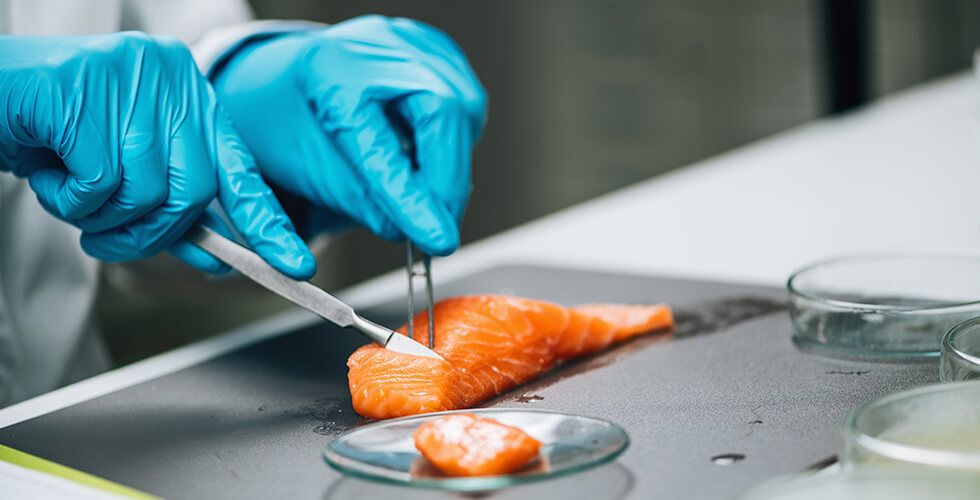
Welcome to the future of seafood, where your salmon fillet might be grown in a lab next to a microscope instead of swimming in the ocean.
The FDA just approved lab-grown salmon for the first time in U.S. history, giving the green light to biotech company Wildtype to serve their cell-cultivated fish to American diners. That’s right—this isn’t your usual wild-caught or farm-raised filet. This is fish that never swam, never saw the ocean, and was grown entirely from a cluster of cells in a high-tech nutrient bath.
The agency claims it has “no questions” about the product’s safety, calling it comparable to traditionally sourced salmon. But critics aren’t exactly clapping their fins. The concept of eating seafood that’s been brewed like a science experiment has some consumers—and lawmakers—squirming.
Wildtype is already rolling out its lab-salmon through a swanky collab with James Beard Award-winner Chef Gregory Gourdet. Thursday night tastings are underway, with plans to expand to more restaurants this summer. So if you’re curious—or just brave—you can snag a reservation and try the future for yourself.
But not so fast. Several states, including Florida, Alabama, and Mississippi, have already banned lab-grown meat, with others following suit. Critics argue that this isn’t a clean, green miracle—it’s energy-hungry tech with more hype than health benefits.
Still, supporters claim it’s a breakthrough in sustainable dining: no nets, no hooks, no mercury. Just cells, steel tanks, and a side of controversy.
So next time you order salmon, you might want to ask: “Was this ever… alive?”