


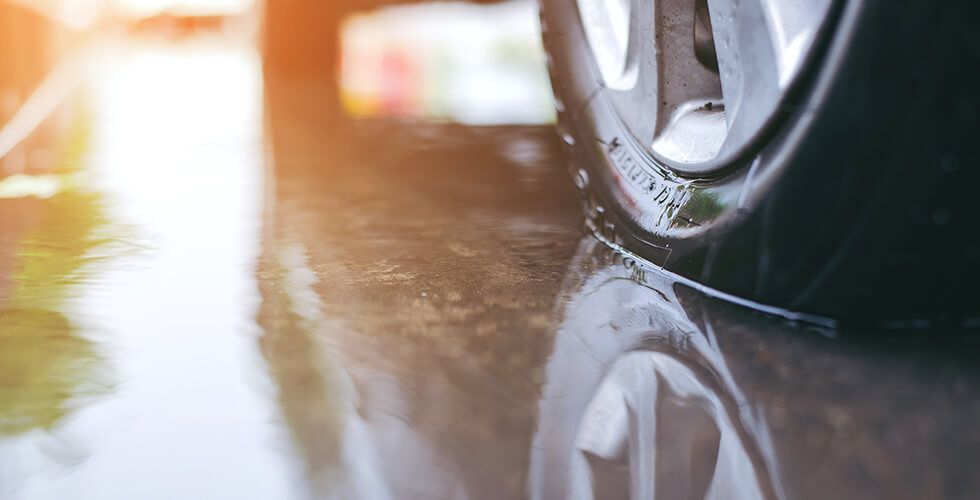
Every time you drive, your tires slowly shed tiny fragments of synthetic rubber. These particles, known as tire wear microplastics, don’t just disappear—they wash into streams, rivers, and oceans during rainstorms. Once there, they release toxic chemicals that threaten fish, crabs, and even humans who consume contaminated seafood.
Shockingly, scientists estimate that tire wear accounts for nearly 45% of all microplastics in the environment. These particles are laced with 6PPD-Q, a chemical linked to mass die-offs in fish such as coho salmon and trout. In Washington state, researchers found that more than half of coho salmon returning to spawn never made it, largely due to this chemical. And it’s not just wildlife at risk—studies in China have detected 6PPD-Q in human urine, raising concerns about potential harm to the liver, lungs, and kidneys.
But researchers at the University of Mississippi believe they’ve found a low-cost, sustainable solution: biofilters made from agricultural waste. In experiments, simple materials like pine wood chips and biochar—a porous charcoal made from heating rice husks—trapped up to 90% of tire particles from stormwater runoff. Their jagged surfaces and intricate pores make them remarkably effective at snagging even the smallest microplastics.
The idea is both practical and scalable. Communities could install biochar- or wood-based filters at drainage outlets to intercept pollution before it reaches waterways. Since these materials can be produced from farm waste, they’re inexpensive and widely available. Like any filter, they require replacement and proper disposal, but the benefits could be game-changing.
With millions of tons of plastic waste threatening ecosystems and food chains, turning farm waste into pollution-fighting filters is a simple, affordable way to keep both fish and people safer.