


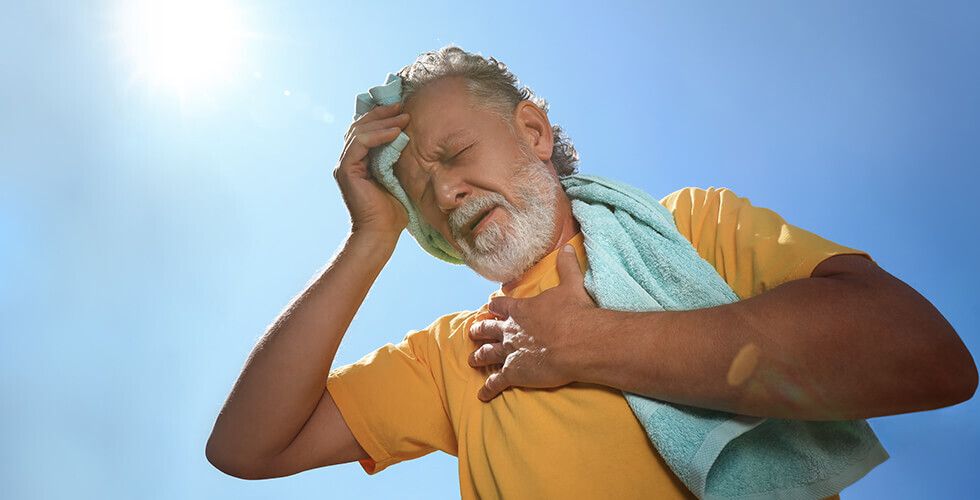
When the mercury climbs, heat exhaustion can hit fast, and knowing what to do can make all the difference. Heat waves don’t just make you sweat; they can push the body past its limits, especially for older adults, infants, outdoor workers, athletes, and people without access to air conditioning. Pregnant women are also at risk, as extreme heat has been linked to preterm birth and other complications.
According to the CDC, heat-related illnesses range from mild heat rash to life-threatening heat stroke. If you see someone struggling in the heat, watch for early warning signs: hot or dry skin, excessive fatigue, sluggishness, or changes in mental status such as confusion or unusual sleepiness.
The first and most crucial step is to move the person out of the heat, into shade or an air-conditioned space. If they seem disoriented or unresponsive, call 911 immediately. “Any change in mental status is a red flag,” says Dr. Matthew Strehlow, professor of emergency medicine at Stanford.
If symptoms are mild and you catch them early, start cooling them down with “evaporative cooling”—use a damp cloth or spray bottle to mist their skin and let the water evaporate. It’s one of the fastest ways to bring body temperature down outside of a hospital.
Prevention is just as important. Stay hydrated—even if you don’t feel thirsty—and avoid heavy activity during peak heat hours between noon and 3 p.m. Wear loose, light-colored clothing, and check on neighbors, especially the elderly or those without AC.
Heat illness is now the leading climate-related health threat in the U.S., surpassing hurricanes and floods. Being alert to the symptoms and ready to act doesn’t just help strangers—it could save someone you love.