


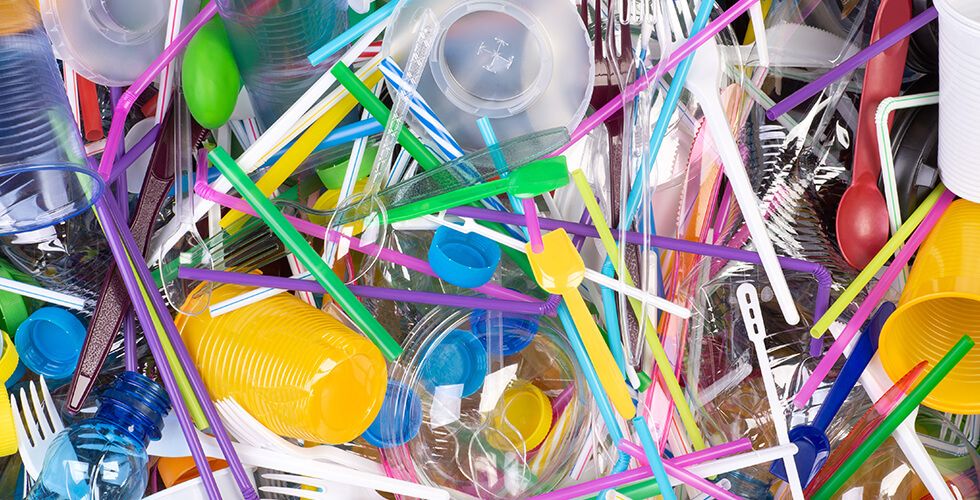
A new study is raising red flags for parents: common chemicals lurking in everyday plastics may pose an extra risk to kids with autism or ADHD. Researchers have discovered that children with these neurodevelopmental conditions have a more challenging time clearing BPA — a widespread chemical found in plastic bottles, food cans, and even store receipts — from their bodies.
Led by Dr. T. Peter Stein at Rowan-Virtua School of Osteopathic Medicine, the study measured how efficiently kids detoxify BPA. The results? Children with autism spectrum disorder (ASD) detoxify BPA about 11% less efficiently than their neurotypical peers, while kids with ADHD lagged by about 17%. This means their bodies hang onto the chemical longer, right when young brains are most vulnerable.
Why does this matter? BPA is an endocrine disruptor, known to mess with hormones and potentially influence brain development. While the study doesn’t claim BPA causes autism or ADHD, it reveals that kids with these conditions may be extra sensitive to environmental pollutants, and everyday plastics are a big part of the problem.
This adds weight to growing research linking prenatal and early childhood exposure to chemicals like BPA, phthalates, pesticides, and air pollution with higher risks for ASD and ADHD. Kids with these conditions often share traits like challenges in social communication, sensory sensitivity, and trouble focusing — all of which make daily life tough enough without hidden chemical risks.
The takeaway? Parents can’t control every exposure, but they can make safer swaps — like choosing glass or stainless steel containers, buying fresh food over canned, and skipping the receipt when possible. Regulators worldwide are already tightening regulations on BPA and DEHP, but this new evidence suggests that children with neurodevelopmental conditions may require even more protection.
In short, ditching the plastic does matter.