


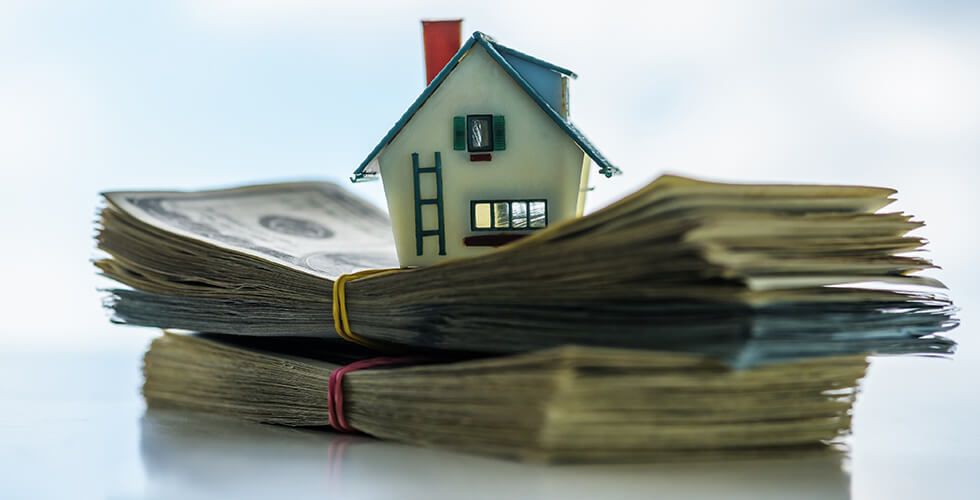
Paying off your mortgage early is a tempting goal for many homeowners — and for good reason. Who wouldn’t want to own their home free and clear? But before you rush to zero out that balance, it’s worth weighing the trade-offs.
On the plus side, ditching your mortgage payments can free up cash, lower monthly expenses, and give you priceless peace of mind. Retirees, in particular, appreciate the freedom of owning a home outright, without the worry of a large monthly bill. Plus, you’ll save thousands in interest over the life of the loan. According to a Bankrate report, prepaying a 30-year mortgage just a few years early can slash interest costs significantly.
But there’s a flip side. Mortgages often come with relatively low interest rates — so extra cash might earn more if invested elsewhere. For example, if your mortgage is at 4% but your investments average 6–7% annually, you could grow your wealth faster by investing instead of prepaying. There’s also the loss of the mortgage interest tax deduction to consider.
Liquidity matters too. Tying up money in your home means you can’t easily tap it for emergencies or opportunities without selling or taking out another loan.
So, what’s smart? Many experts recommend a balanced approach: Make extra payments if you’re already maxing out retirement contributions and have an emergency fund. Consider rounding up your payments or adding an extra one each year.
At the end of the day, paying off your house is as much about peace of mind as it is about the math. For some, sleeping better at night beats squeezing out an extra percent in the stock market.