


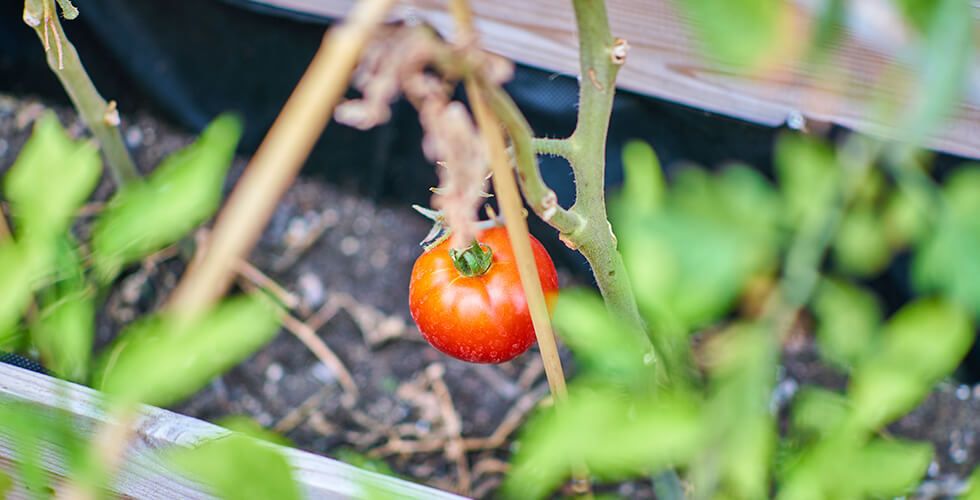
In backyards, patios, and even apartment balconies across the country, a quiet revolution is taking root—one tomato plant, chicken coop, and compost bin at a time. Welcome to the era of micro homesteading, where small-scale, self-sufficient living is becoming a powerful antidote to modern life.
As food prices climb and sustainability concerns grow, more Americans are turning to their own spaces, however small, to grow food, raise animals, and reclaim forgotten skills. Micro homesteading doesn’t require acres of land or a rural address. It thrives in suburban neighborhoods and city lots, with residents planting raised garden beds, keeping a couple of hens for fresh eggs, and learning to preserve their own harvests.
According to recent reports, interest in homesteading has surged post-pandemic, but the latest wave is less about going off-grid and more about resilience, wellness, and purpose. With tools like vertical gardens, container crops, and compact composting systems, even the smallest household can participate.
The appeal? Micro homesteading provides a means to counteract supply chain uncertainty, processed foods, and ecological stress. It invites people to reconnect with the rhythms of nature, even in tight spaces. Families are involving children, neighbors are swapping homegrown produce, and communities are quietly transforming into pockets of edible abundance.
Of course, micro homesteading isn’t without its challenges—limited space, zoning restrictions, and time demands can test even the most enthusiastic of growers. But the rewards—fresh food, lower grocery bills, and a deep sense of accomplishment—are hard to beat.
In a world that often feels overwhelming, micro homesteading is proof that you don’t need a farm to live like a farmer. All it takes is a little space, some creativity, and the desire to grow something real.