


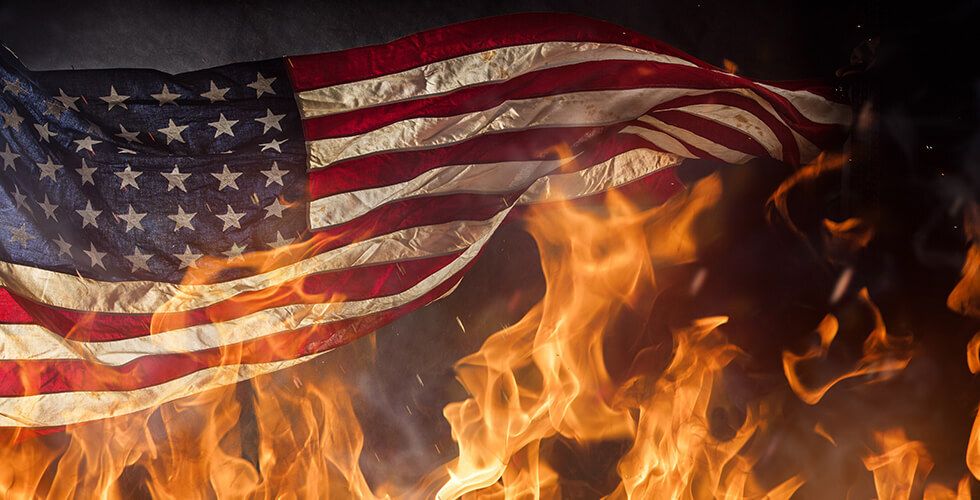
On August 25, 2025, President Donald J. Trump issued an executive order aimed at tightening enforcement against acts of American flag desecration. The order frames the flag as one of the nation’s most sacred symbols, representing the sacrifices of generations who fought to defend American freedom. According to the President, burning the Stars and Stripes is more than a symbolic protest—it can provoke violence, intimidate citizens, and embolden hostile foreign groups.
While the Supreme Court has long held that flag burning falls under First Amendment protections, the order points to legal exceptions. The administration argues that when desecration amounts to “fighting words” or incites “imminent lawless action,” it is not shielded by free speech rights. Referencing the 1989 case Texas v. Johnson, the order underscores a distinction between expression and actions that cross into public safety threats.
The directive instructs the Attorney General to prioritize enforcement of federal laws that may apply when flag desecration coincides with violent crime, hate crime, or destruction of property. Cases that fall under state or local jurisdiction—such as open burning restrictions or disorderly conduct laws—are to be referred to appropriate authorities.
In a striking move, the order extends its reach to foreign nationals, allowing agencies to deny visas, revoke residency, or even pursue removal from the United States if individuals engage in flag desecration tied to intimidation or unlawful activity.
Supporters hail the order as a step toward restoring respect for the American flag and ensuring public safety. Critics, however, are expected to challenge the measure, arguing it skirts constitutional protections and risks setting a precedent for limiting political expression.
As the order takes effect, one thing is clear: the symbolic act of burning the flag now carries potential legal and immigration consequences beyond public outrage.