


Imagine catching cancer years before it shows up on a scan or causes a single symptom. That future may be closer than we think.
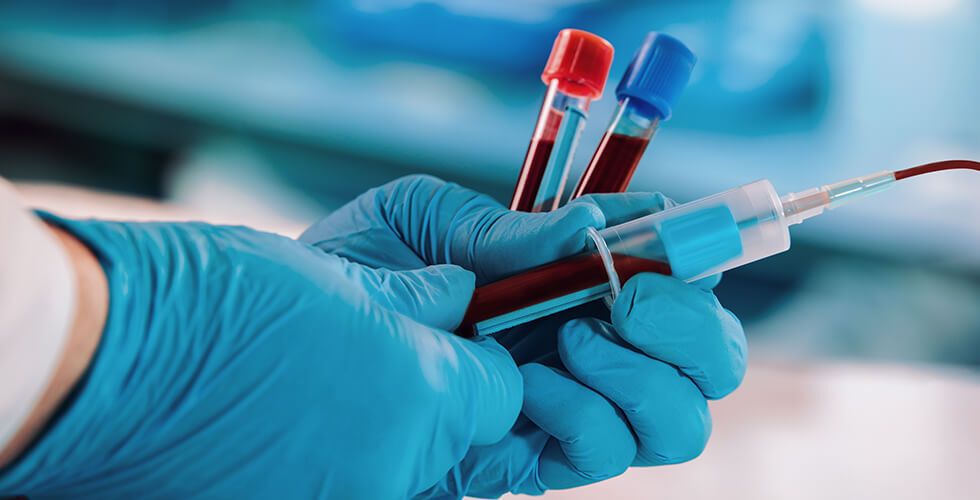
Researchers at Johns Hopkins have developed a groundbreaking blood test that can detect signs of cancer up to three years before a diagnosis would typically occur. The study, led by Dr. Yuxuan Wang, analyzed archived blood samples from 52 participants—half of whom were later diagnosed with cancer. Using a Multi-Cancer Early Detection (MCED) test, researchers found genetic “breadcrumbs” of cancer in the blood of 8 out of the 26 future patients.
The most jaw-dropping part? In four of those cases, cancer DNA was already detectable in blood samples taken over three years before symptoms emerged.
“This test shows incredible potential,” said Dr. Bert Vogelstein, senior author and co-director of the Ludwig Center at Johns Hopkins. “It sets the benchmark for how sensitive early detection tools need to be.”
The test works by scanning blood for trace amounts of mutated DNA that tumors shed into the bloodstream, long before they’re large enough to trigger symptoms or appear on imaging.
While no MCED tests are currently FDA-approved for standard use, some are available as Laboratory Developed Tests. These aren’t meant to replace routine screenings, but they could become vital for detecting cancers that often go unnoticed until it’s too late, like colon or pancreatic cancer.
Why does early detection matter so much? For breast cancer, catching it early means a 99% five-year survival rate. Once it spreads, it drops below 32%.
With over 2 million new cancer cases expected in the U.S. next year, and more than 618,000 projected deaths, this test could become a powerful new weapon in the fight to save lives—before cancer even knows it’s been caught.