


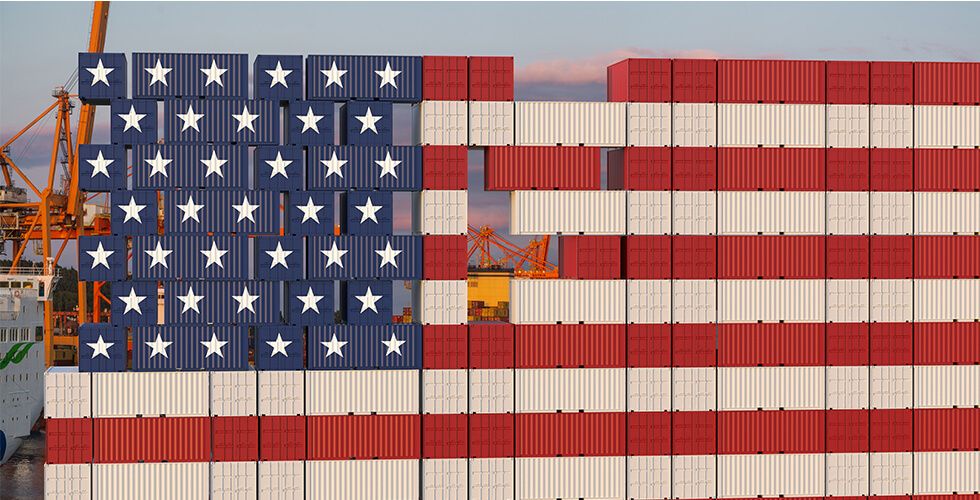
President Donald Trump has done in six months what no modern leader has dared: rip up decades of failed trade policy and put American workers first. On Thursday, Trump announced sweeping tariffs on nearly every country, raising import taxes to levels not seen since 1933. When the new measures take effect on August 7, the average U.S. tariff will surge from a mere 1.2% to over 18%, a dramatic shift aimed at restoring American economic strength.
Corporate giants are already feeling the heat. Apple paid $800 million in tariffs last quarter and expects $1.1 billion this quarter. Automakers like GM and Volkswagen report similar billion-dollar bills, while major retailers admit they can no longer rely on cheap foreign production without consequence. For decades, companies shipped jobs overseas, hollowing out U.S. manufacturing. Trump’s tariffs are forcing them to rethink—and reinvest—at home.
Despite critics predicting economic chaos, the numbers tell a different story. The economy remains strong, stocks are near record highs, and the labor market is holding steady. The Treasury has collected $150 billion in tariff revenue since Trump took office, a massive boost to U.S. coffers without raising income taxes. Even more telling, American manufacturers are announcing new factory projects, signaling the start of a long-awaited industrial revival.
For Trump, tariffs are more than economics—they’re leverage. From trade negotiations to geopolitical deals, he’s using America’s market power to secure better terms and fairer treatment. While opponents warn of inflation or higher prices, supporters see a necessary course correction after decades of globalization that benefited foreign nations at America’s expense.
Trump’s bold tariff strategy isn’t just a policy—it’s a statement: the days of the U.S. being taken advantage of are over. This is America reclaiming its economic destiny.