


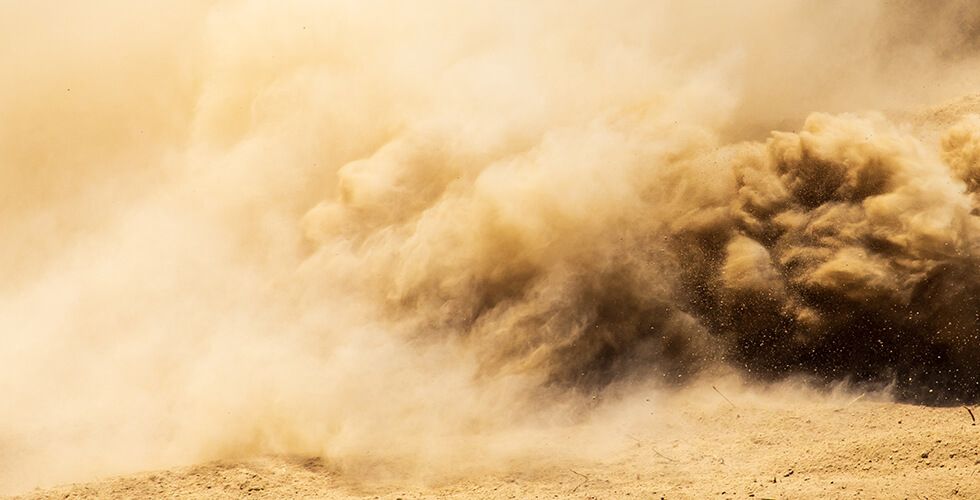
A massive dust storm, known as a haboob, swept across metro Phoenix late Monday, plunging the city into darkness, halting traffic, and grounding hundreds of flights at Sky Harbor International Airport. The storm, followed by heavy monsoon rains and strong winds, caused roof damage, toppled trees, and knocked out power to more than 15,000 residents across Maricopa County.
Drivers caught in the storm described eerie scenes. “I couldn’t see my hand in front of my face,” said Bernae Boykin Hitesman, who pulled over with her two children as dust rattled her car. Others reported fine particles seeping into homes through cracks, leaving a layer of grit across floors and furniture.
While the dramatic wall of dust is a striking natural phenomenon, experts warn that these storms carry an invisible danger: Valley Fever. The fungal disease, caused by Coccidioides spores that thrive in Arizona’s desert soil, spreads when dust is inhaled. Cases have been rising across the Southwest, and health officials caution that major dust events like Monday’s storm can sharply increase exposure. Symptoms often mimic the flu—fever, cough, chest pain, fatigue—and in severe cases, the infection can spread beyond the lungs.
“People think of a dust storm as just an inconvenience,” said a local health official. “But when you’re breathing in that dust, you may also be breathing in spores that can make you very sick.”
At the airport, crews worked overnight to repair roof leaks in Terminal 4 and clean up water in passenger areas. By 9:30 p.m., more than 200 flight delays were reported.
As the monsoon season continues, residents are urged to stay indoors during storms, use air filtration, and wear N95 masks outdoors in heavy dust to reduce Valley Fever risk.