


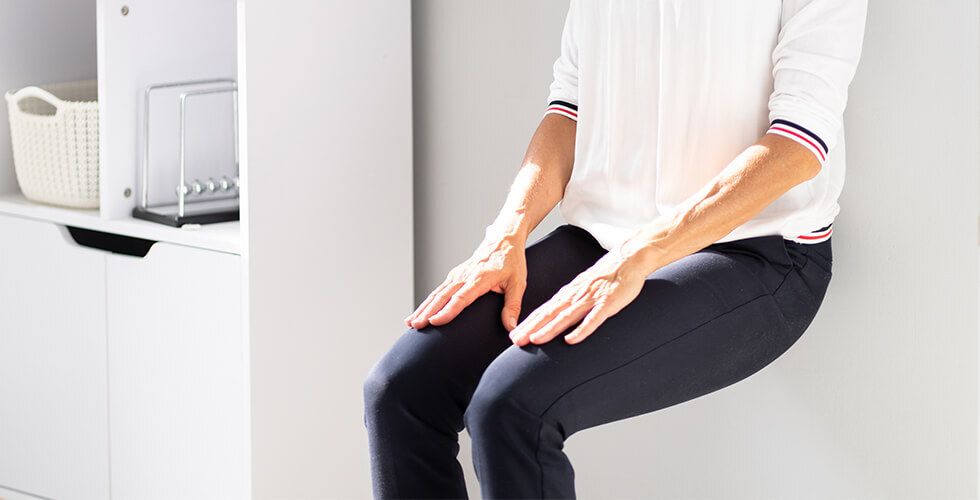
If you’re battling high blood pressure, you might not need to lace up your running shoes. New research suggests that simple, motionless exercises, such as wall sits and planks, may be more effective than cardio or high-intensity interval training (HIIT) in lowering blood pressure.
A major review published in the British Journal of Sports Medicine analyzed 270 clinical trials involving over 15,000 participants. Researchers compared five types of exercise: aerobic (like walking or running), resistance training, combined training, HIIT, and isometric exercises—those involving muscle tension without movement.
The results? All types helped lower blood pressure, but isometric exercises came out on top. On average, they reduced systolic blood pressure by 8.24 mmHg and diastolic pressure by 4 mmHg—better than any other form of exercise. Wall squats resulted in the most dramatic drop in systolic pressure (over 10 mmHg), while running had the most significant impact on diastolic pressure.
Interestingly, people with hypertension saw even greater benefits. In this group, isometric training lowered systolic pressure by up to 12.2 mmHg—results comparable to some blood pressure medications.
While HIIT remains popular for its time efficiency, it ranked lowest for blood pressure improvement in this study. Walking, although commonly recommended, showed only modest effects compared to cycling or running.
This new data could reshape how we approach hypertension. The authors recommend updating medical guidelines to reflect the powerful, evidence-backed benefits of isometric training.
The takeaway? Small, static movements can yield big results. Wall sits and planks require no equipment, little time, and minimal space—yet they could significantly lower your risk of heart disease. For anyone managing or hoping to prevent high blood pressure, these simple holds may be a smart, science-supported addition to your weekly routine.