


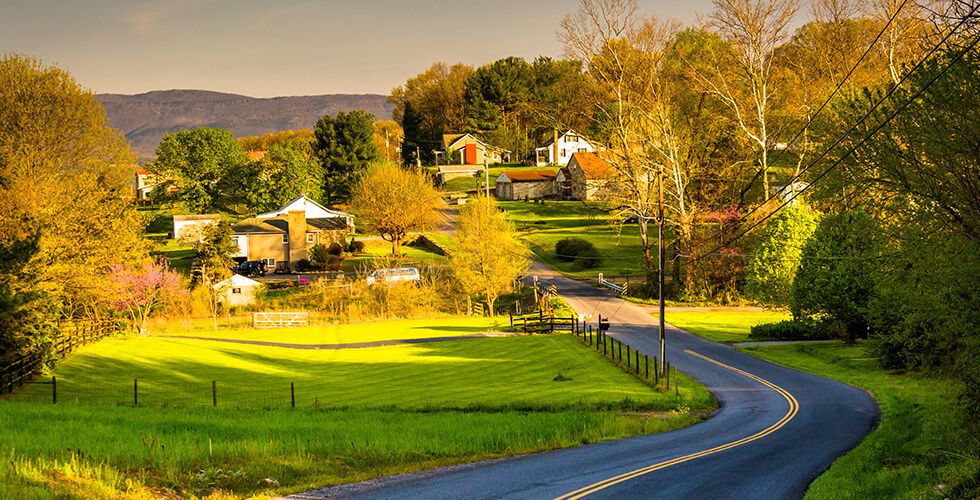
For generations, the U.S. Interstate Highway System has been the go-to for long-distance road trips — fast, efficient, and direct. But a growing number of cross-country travelers are turning off the on-ramps in favor of slower, quieter country roads.
One major reason is the experience. Interstates are designed for speed, not scenery. Travelers who trade six lanes for two-lane highways are rewarded with rolling farmland, small towns, and unexpected roadside treasures — from mom-and-pop diners to century-old barns. Every turn offers a new view, something often hidden behind sound walls and exit ramps on the freeway.
Traffic stress is another factor. The interstate can mean battling a constant flow of semi-trucks, aggressive drivers, and congestion around cities. Country roads typically have lighter traffic, giving drivers more breathing room and a more relaxed pace. For many, the journey feels safer and more enjoyable.
These quieter routes also offer a deeper connection to place. Passing through rural communities puts travelers in touch with local culture, history, and people. You might find a family-run farm stand selling fresh peaches, stumble upon a small-town festival, or discover a scenic overlook that’s not on any travel app.
There’s also a wellness angle: fewer billboards, less noise, and more green space can make for a calmer, less exhausting trip. For RV travelers and those on extended journeys, avoiding the high speeds and constant lane changes of the interstate can reduce fatigue and make the trip more sustainable.
In a time when travel is as much about the experience as the destination, country roads offer what interstates can’t — a slower, richer, and more human way to see America. As the old John Denver song says, “Take me home, country roads” — more travelers are taking that advice literally.