


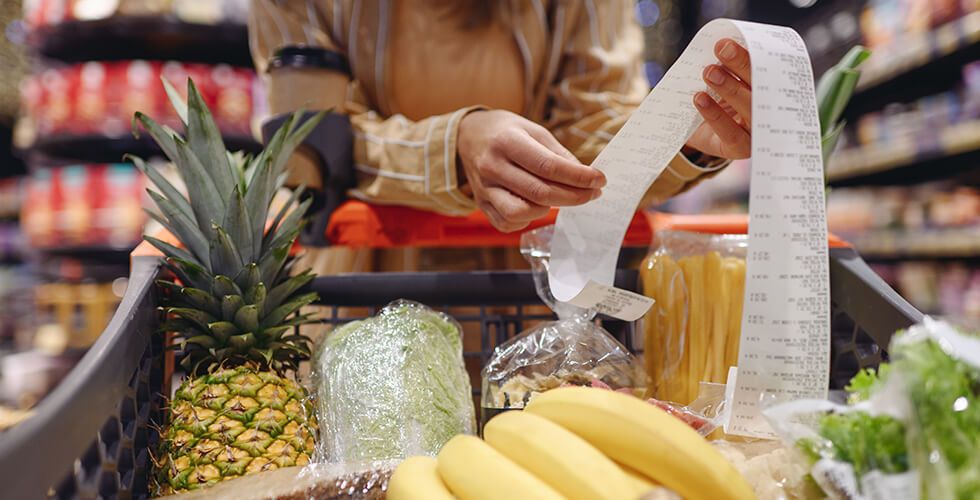
With food costs up 31% since 2019, shoppers are desperate for relief. Even as overall inflation cools to 2.4% year-over-year, grocery bills remain painfully high, with staples like eggs jumping 27%, coffee 16%, and ground beef 10% in the past year. Many wonder if a Federal Reserve rate cut could ease the pressure on their wallets.
The connection between interest rates and grocery prices isn’t as straightforward as it sounds. In theory, higher rates make borrowing more expensive, which slows spending and should cool inflation. Lower rates have the opposite effect. But groceries are different: no matter how tight money gets, people still need to eat. That makes the impact of rate changes on food prices subtle and indirect.
Where rates do matter is behind the scenes. Retailers often rely on loans to stock shelves. When borrowing costs rise, some pass that expense to consumers. If rates drop, those costs may shrink—but only if stores choose to pass the savings along.
Bigger drivers of high grocery prices include lingering supply chain disruptions, extreme weather damaging crops, tariffs on imported foods like coffee and chocolate, and U.S. farmworker shortages, which force more reliance on costly imports.
While you can’t control interest rates or global supply chains, you can soften the blow at checkout. Join loyalty programs for exclusive discounts, use cash-back credit cards with grocery bonuses, and stock up on non-perishables during sales. Planning meals with overlapping ingredients and buying in bulk at warehouse clubs like Costco or Sam’s Club can also help stretch every dollar.
Even if a Fed rate cut comes soon, don’t expect an overnight drop in grocery prices. But combining smart shopping strategies with any eventual policy shift could finally bring some relief to your weekly bill.