


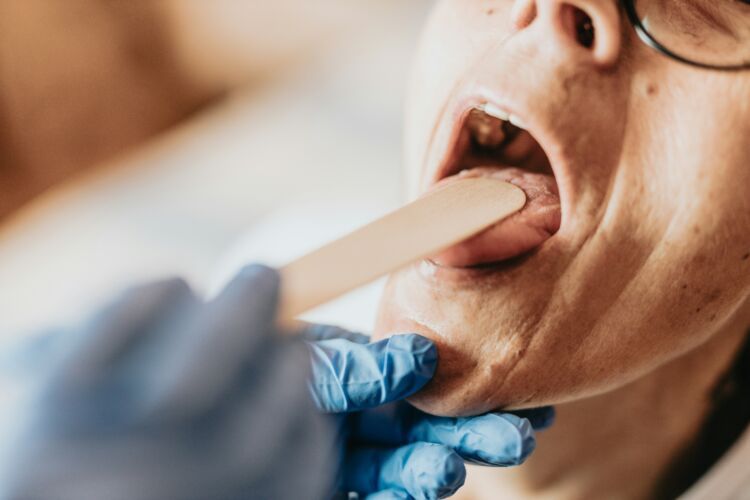
The next time your doctor asks you to open wide and stick out your tongue, don’t be surprised — they’re reading it like a map. One ear, nose and throat specialist says that without even asking a question, he can tell if a patient is well-hydrated, a smoker, a tobacco user, has an autoimmune disease, and more — just by looking at their tongue.
Your tongue is one of the most revealing organs in your body. Its color, texture, coating, and shape can all signal what’s happening beneath the surface. Here are nine things your tongue may be trying to tell you.
1. A White Coating May Mean a Fungal Infection
If your tongue has a creamy white film or patchy white spots, it could be oral thrush — a yeast overgrowth in the mouth. When the tongue looks white and pasty, it may signal a bacterial infection or an autoimmune-related inflammatory disease. A common cause is thrush, an infection caused by yeast that may interfere with your taste buds, leaving most foods tasting bland. It is easily treated with an antifungal drug.
White patches can also indicate leukoplakia — flat, hard patches that can’t be scraped away — which is linked to cancer, so any white patches that don’t resolve should be reported to your dentist.
2. A Bright Red Tongue Could Signal a Vitamin Deficiency
A tongue without any small bumps on the top may look glossy red. This can occur when you don’t get enough of certain nutrients like iron, folic acid, or B vitamins.
A dark red tongue could also mean you’re deficient in folic acid or other B vitamins, as these deficiencies can reduce your red blood cell count, making the tongue appear more red. If your tongue is both red and smooth and you have mouth pain, it’s worth asking your doctor to check your vitamin levels with a simple blood test.
3. A Black, Hairy-Looking Tongue Is Stranger Than It Sounds
It looks alarming, but “black hairy tongue” is usually not dangerous. A tongue that appears black and even hairy-looking can be due to certain antibiotics, diabetes, poor oral hygiene, and smoking. Pepto-Bismol has also been shown to temporarily darken the appearance of the tongue.
Black hairy tongue is caused by changes in the bacteria composition on the tongue and is usually not a cause for concern — though it’s a strong signal to improve your oral hygiene routine.
4. A Smooth Tongue May Point to Nutritional Gaps
A healthy tongue should feel slightly rough due to tiny bumps called papillae. A very smooth tongue surface may indicate atrophic glossitis, a condition in which some or all of the papillae are missing. This is often connected to deficiencies in iron, B12, or folate — nutrients essential for cell regeneration. If your tongue looks unusually flat and shiny, it’s worth having your blood levels checked.
5. A Yellow Tongue Suggests Bacteria Buildup
A tongue with a yellow appearance can develop due to a buildup of bacteria from things like poor oral hygiene, tobacco use, alcohol, coffee, or dry mouth. While it’s usually not dangerous on its own, a persistently yellow tongue can also be an early sign of jaundice — a liver or gallbladder issue that causes yellowing of the skin and eyes. If it appears alongside other symptoms, see your doctor.
6. Scalloped or Indented Edges May Reflect Stress or Sleep Issues
Look at the sides of your tongue. If you see wavy, rippled edges that look like teeth marks, your tongue may be pressing against your teeth regularly. Scalloped edges or indented teeth marks can be a result of TMJ and grinding your teeth at night. Teeth grinding (bruxism) is strongly linked to stress and anxiety, and many people who do it aren’t even aware of it. Your tongue could be the first clue.
7. Persistent Sores That Don’t Heal Warrant Attention
Canker sores are common and usually harmless. They might be caused by biting your tongue, damage from a toothbrush, pregnancy, certain medicines, or stress — and they typically clear up on their own within a few weeks.
But there’s a critical caveat: anything that lasts beyond two to four weeks and continues to get worse could be a sign of oral cancer and should be checked out by a doctor immediately. If you have a hard sore that’s fixed to the tongue and doesn’t heal within two weeks, it’s time to get to the dentist or doctor — that’s when concern about squamous cell carcinoma or other oral cancer becomes warranted.
8. A Blue or Purple Tongue Could Indicate Poor Circulation
This is one sign you should never ignore. A blue tongue could indicate poor oxygen circulation that may be due to lung problems. A purplish hue can also suggest cardiovascular issues. There are a lot of blood vessels in the tongue, so changes there can indicate high blood pressure — and during annual examinations, dentists often examine the tongue for engorged or widened vessels and may refer patients for a check with a cardiologist. If your tongue looks blue or deeply purple, seek medical attention promptly.
9. A Burning Sensation May Signal Nerve or Hormonal Issues
If your tongue feels like it’s been scalded even though you haven’t eaten anything hot, take note. If your tongue feels like you scalded it with hot coffee and tastes metallic or bitter, you may have burning mouth syndrome, which can mean a problem with the nerves in your tongue. Some health conditions like dry mouth, infections, acid reflux, and diabetes may also cause it.
Burning mouth syndrome is particularly common in women after menopause and is thought to be linked to hormonal changes. While there’s no single cure, identifying and treating the underlying cause can bring significant relief.
What a Healthy Tongue Looks Like
For reference, healthy tongues range in color from pale pink to reddish-pink, and the tiny bumps called papillae cover the surface, giving it a rough texture. Any significant, persistent departure from that baseline — in color, texture, coating, or sensation — is worth paying attention to.
Any tongue change that sticks around for more than 10–14 days should be checked. Persistent symptoms may be related to infections, nutritional deficiencies, or other conditions that require treatment rather than home care.
Your tongue is doing more than helping you taste and talk. It’s quietly reflecting your hydration, nutrition, immune health, circulation, and stress levels every single day. Take 30 seconds the next time you brush your teeth to actually look at it — and don’t dismiss what you see.