


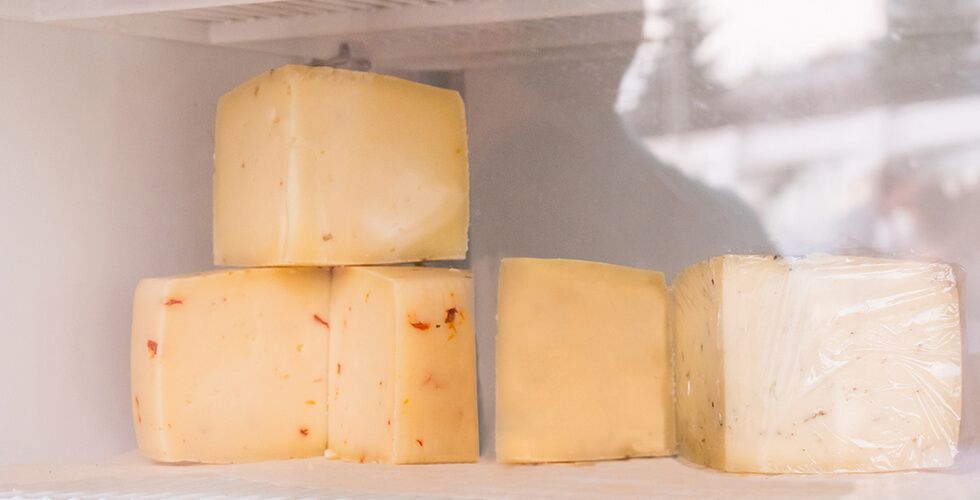
So, you’ve overbought cheese again. Perhaps it was a sale, a party, or a hunger-fueled impulse to shop. Now you’re wondering: Can I put this in the freezer without it turning into a crumbly mess?
Good news: you can freeze many types of cheese, especially firm ones like Cheddar, Gouda, Parmesan, and Emmental. According to Kate Merker, Good Housekeeping’s Chief Food Director, freezing is a safe method for extending shelf life. The tradeoff? Texture. “Frozen cheese can become dry and crumbly,” Merker says. But that’s no big deal if it’s destined for pizza, casseroles, or tacos.
Soft cheeses, though? Not freezer-friendly. Brie, goat cheese, and Camembert don’t handle freezing well due to their high moisture and fat content. Ice crystals form during freezing, and when thawed, they’re often gritty or separated. Cream cheese can be frozen, but it loses its creamy charm—best to use only in cooked dishes if frozen.
Want to do it right? Shred or cube cheese before freezing to make it more usable later. Wrap it tightly in plastic or vacuum seal it, then stash in a freezer-safe container or bag. Label it with the type and date, and freeze it sooner rather than later—before the “sell-by” date.
And yes, you can freeze shredded mozzarella! It’s a game-changer for last-minute dinners. Just thaw it in the fridge—not on the counter—to avoid bacterial growth, in line with USDA guidelines.
Flavor holds up well through freezing, but expect a more brittle texture. That’s why frozen cheese shines best in cooked dishes, not on a cheese board.
Freezing cheese won’t win any gourmet points, but it’s a smart, waste-saving move—especially if you’re always one craving away from grilled cheese or pizza night.