


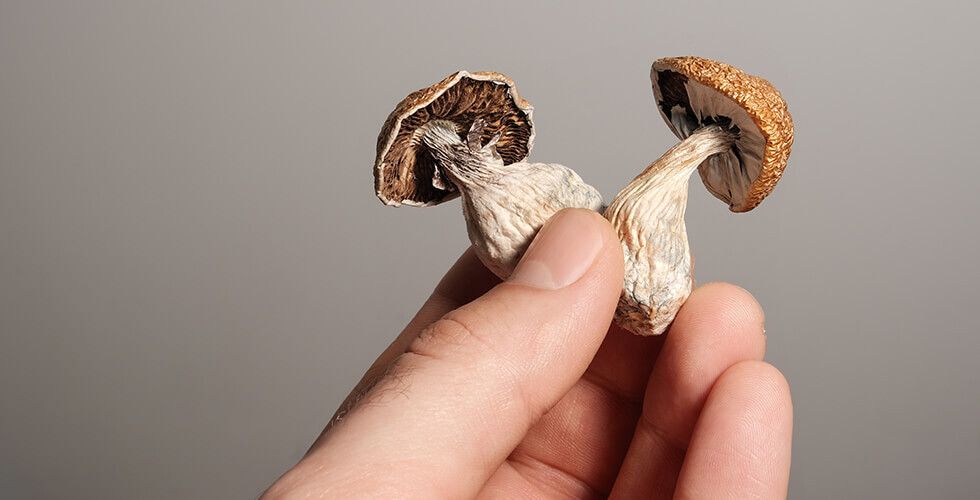
A natural compound found in psychedelic mushrooms may hold the key to healthier aging, according to a groundbreaking study from Emory University published in npj Aging.
Researchers found that psilocin—the active metabolite of psilocybin—significantly extended the lifespan of human skin and lung cells in laboratory tests. Cells treated with psilocin lived more than 50% longer than untreated controls, demonstrating improved cellular health and stress resistance.
In the first long-term study of its kind in animals, aged mice (equivalent to 60–65-year-old humans) were treated with low and monthly doses of psilocybin over a 10-month period. These mice exhibited a 30% higher survival rate compared to untreated peers. Notably, they also showed healthier physical characteristics, including improved fur quality, reduced graying, and even hair regrowth.
The findings suggest that psilocybin, typically studied for its psychological effects, may also influence key biological mechanisms tied to aging. Researchers observed enhanced DNA repair, reduced oxidative stress, and preservation of telomere length—factors closely associated with age-related diseases like cancer and cardiovascular conditions.
“This study opens a new frontier for how psilocybin may impact aging at a systemic level,” said Dr. Louise Hecker, senior author and associate professor at Baylor College of Medicine. “Even when the intervention is started late in life, we’re seeing meaningful improvements in survival and health.”
Dr. Ali John Zarrabi, a palliative care physician and co-investigator, emphasized the importance of these findings: “The goal is not just to extend life, but to improve the quality of those added years. These mice weren’t just living longer—they were aging better.”
As life expectancy in the U.S. lags behind other developed nations, researchers believe psilocybin may offer a new avenue for therapies targeting both mental health and biological aging. With FDA approval for psilocybin-assisted therapy for depression possibly arriving by 2027, scientists are now calling for more studies to explore its broader effects on aging.