


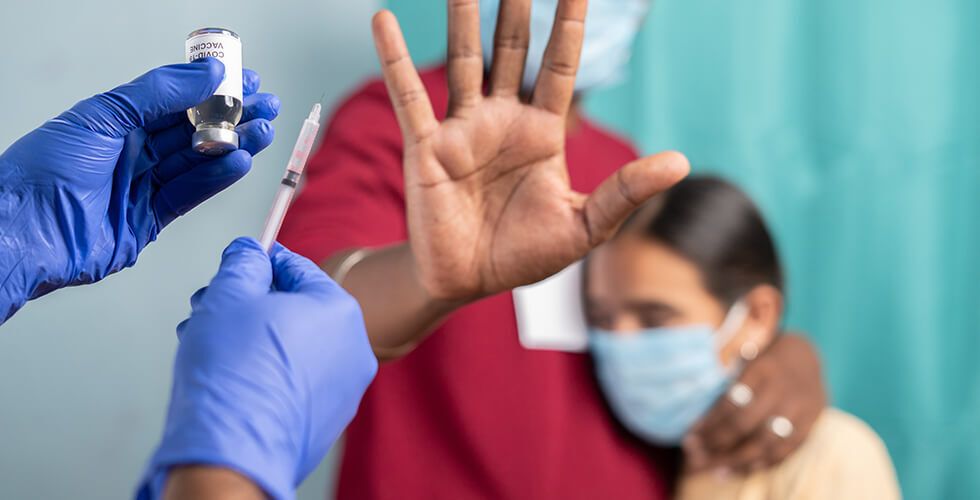
Vaccine exemptions among American kindergartners are climbing, reflecting a growing movement of parents demanding more control over their children’s healthcare choices. New CDC data for the 2024–2025 school year shows exemptions from one or more required vaccines rose to 3.6%, up from 3.3% the previous year, with some states reporting rates far higher.
Idaho and Utah lead the nation, with 15.4% and 10.3% of kindergartners exempt from at least one vaccine. In total, 36 states and D.C. reported rising exemption rates, while 17 states exceeded 5%. The shift comes amid renewed debate over public health policy, with Health Secretary Robert F. Kennedy Jr. arguing that vaccine decisions should rest with families, not government mandates. “The decision to vaccinate is a personal one,” the department stated, urging parents to consult trusted healthcare providers rather than follow one-size-fits-all rules.
The trend coincides with a measles resurgence, with 1,333 cases and 29 outbreaks reported so far this year. While public health officials point to herd immunity thresholds, others note that naturally acquired immunity and targeted protections for high-risk populations can also reduce spread without blanket mandates.
Supporters of Kennedy’s approach say the rise in exemptions highlights a shift away from government-driven policy toward informed parental choice. Many parents express concerns over the expanding childhood vaccine schedule, citing the need for more long-term safety data and individualized care.
National measles vaccination rates for kindergartners now sit at 92.5%, slightly below the CDC’s 95% target. Critics of strict mandates argue that instead of coercion, transparent science, safety monitoring, and open dialogue will rebuild trust and encourage voluntary uptake. As Kennedy’s leadership sparks a national conversation, the data underscores a cultural shift: more families are questioning conventional vaccine policies and asserting their right to choose what’s best for their children.