


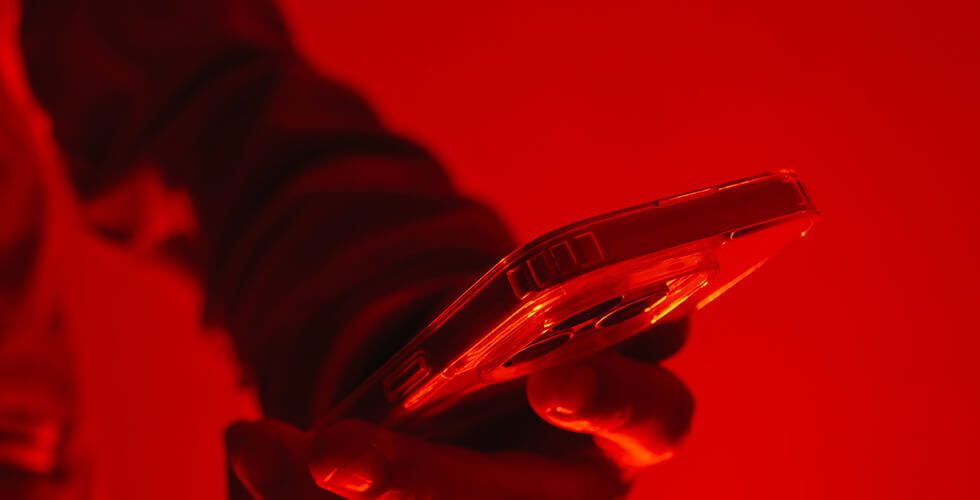
If you’re guilty of scrolling before bed, you’re not alone. More than three-quarters of Americans lose sleep thanks to digital distractions, and it’s not just the time spent on screens that matters—it’s the light they emit.
Phones give off blue light, which disrupts your circadian rhythm, the body’s internal clock. “Blue light tells your brain it’s still daytime,” explains psychiatrist and sleep specialist Dr. Alex Dimitriu. That delays the natural release of melatonin, the hormone that signals bedtime. Just two hours of blue light exposure can slash melatonin by 22%.
On top of that, the content itself—fast reels, alerts, and messages—triggers dopamine, a brain chemical that boosts wakefulness. The result? A restless mind when you should be winding down.
To combat this, many turn to red light filters, available on most smartphones. Unlike blue, red light mimics sunset, signaling that the day is ending and making it less likely to interfere with melatonin. Research is still limited, but early evidence suggests red filters may help reduce sleep disruption.
Still, experts agree: the best sleep strategy is no light at all. “Your brain rests best in darkness,” says Dr. Michael Jaffee, chair of neurology at the University of Florida.
Tips for Better Sleep
- Activate the red filter: On iPhones, go to Settings > Accessibility > Display & Text Size > Color Filters > Color Tint, then adjust to deep red.
- Use Night Shift: Warms screen tones automatically each evening.
- Go grayscale: Removing all color makes your phone less stimulating.
- Dim it down: Keep brightness as low as possible.
- Power off early: Aim to put your phone away two hours before bed.
Truth: Red light filters may help—but nothing beats unplugging completely.