


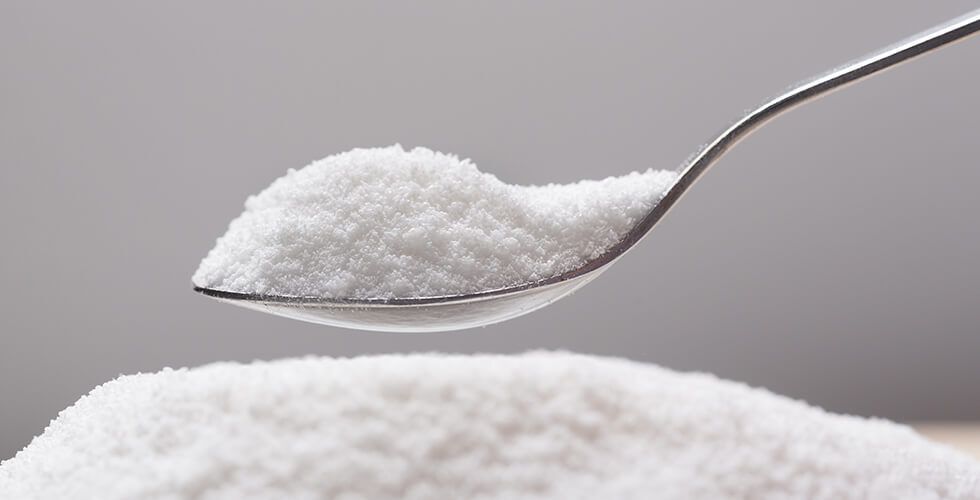
That “guilt-free” diet soda might not be as harmless as it seems. A new lab study from the University of Colorado Boulder has raised concerns about erythritol, a zero-calorie sweetener found in products ranging from energy drinks and sugar-free gum to protein bars and keto treats.
Researchers found that erythritol, even at levels comparable to one standard diet drink, disrupted critical functions in human brain blood vessel cells. The sweetener increased oxidative stress, impaired nitric oxide signaling (which protects blood vessels), and weakened the brain’s natural clot-busting response. The combination could, in theory, create a dangerous setup for ischemic stroke, the most common kind.
In the study, brain cells exposed to erythritol failed to release t-PA (a key anti-clotting agent) in response to thrombin, a protein that typically triggers clot breakdown. In contrast, untreated cells increased t-PA release by 25%.
Though erythritol occurs naturally in some fruits, it’s now mass-produced and marketed as a “natural” sugar substitute. Food manufacturers favor it for being low-calorie, tooth-friendly, and diabetes-safe. But recent studies suggest there may be hidden risks: one trial showed that people with higher erythritol levels in their blood had a greater chance of heart attack or stroke over three years.
Importantly, this new study used realistic consumption levels — not exaggerated doses — and suggests the sweetener may not be as “inert” as once believed.
Researchers emphasize that more investigation is needed, as this was a cell study, not a clinical trial. Still, it adds to growing concerns around the long-term effects of artificial sweeteners.
The takeaway? Just because it’s labeled “sugar-free” doesn’t mean it’s risk-free. Your brain might thank you for dialing down the sweet, even if it’s zero-calorie.