


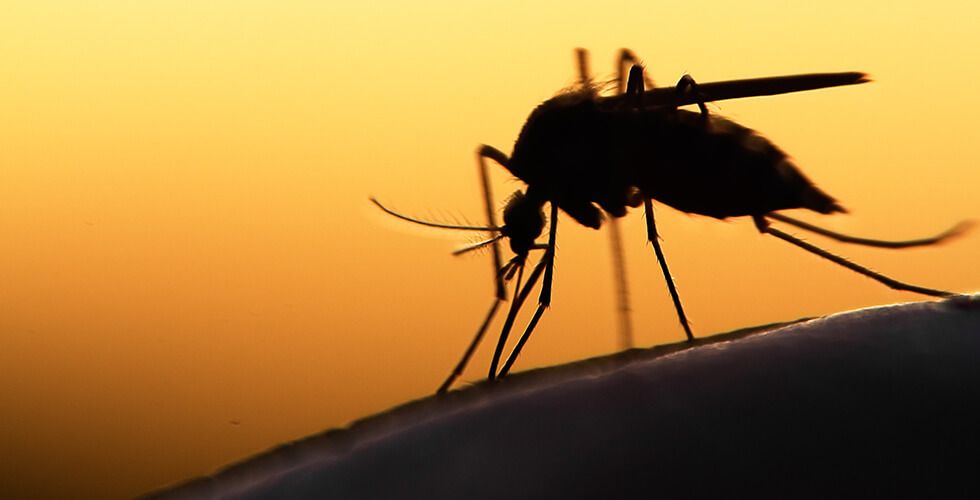
Imagine taking a pill that makes your blood deadly to mosquitoes. That’s exactly what a groundbreaking study in Kenya and Mozambique has achieved, and it could change the fight against malaria forever.
Researchers found that mass administration of ivermectin—an inexpensive, widely used antiparasitic—cut malaria cases by 26%. The drug works unusually: when mosquitoes bite someone who’s taken ivermectin, they die. This “mosquito-killing blood” approach adds a new layer of defense alongside traditional tools, such as bed nets, which are losing effectiveness as mosquitoes adapt and develop resistance to insecticides.
The massive BOHEMIA trial, led by the Barcelona Institute for Global Health, tested monthly doses of ivermectin across entire communities during peak mosquito season. In Kenya’s Kwale County, children who received the drug experienced a dramatic drop in malaria infections compared to the control group. Even better, the pill brought unexpected bonuses: reports of head lice, scabies, and bed bugs plummeted.
Malaria remains one of the deadliest diseases worldwide, with 263 million cases and nearly 600,000 deaths in 2023. Standard defenses are faltering as mosquitoes change their habits—biting outdoors and at times when nets offer no protection. Ivermectin’s novel mechanism could fill that gap.
Despite setbacks in Mozambique due to a cyclone and cholera outbreak, the study proved ivermectin’s safety and community acceptance. The World Health Organization has already reviewed the findings and called for more studies, signaling this could soon become part of global malaria control programs.
“This simple pill could reshape how we fight malaria,” says Carlos Chaccour, co-lead of the BOHEMIA project. With one safe, low-cost drug, researchers may have discovered a game-changing way to turn every bite into a mosquito’s last meal—and bring the world a step closer to eliminating malaria.