


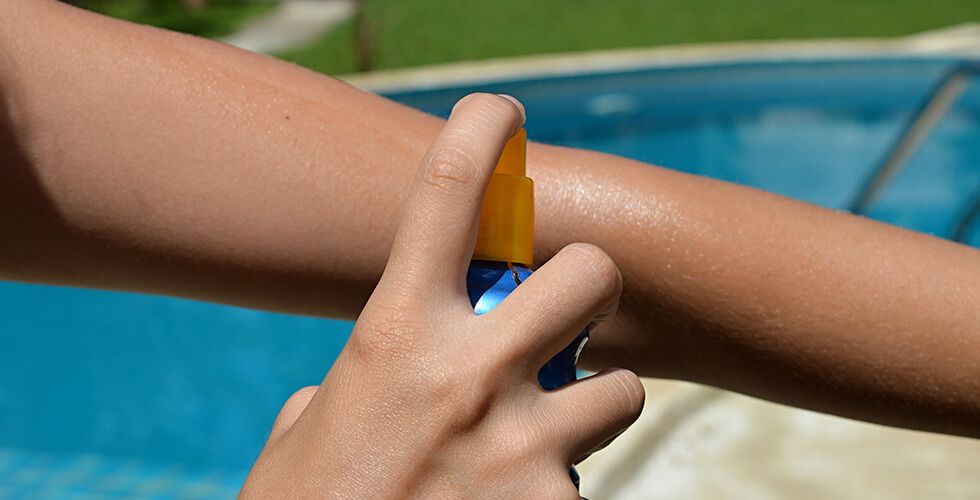
Social media is fueling a growing skepticism toward chemical sunscreens — and with good reason. While health agencies maintain their safety, many consumers are questioning whether applying a cocktail of synthetic chemicals to our largest organ every day is truly harmless.
Chemical sunscreens, which use ingredients like oxybenzone, avobenzone, and octocrylene, work by absorbing UV radiation and converting it into heat. But studies have shown these compounds can penetrate the skin and enter the bloodstream, sometimes at levels far above the FDA’s own thresholds for further safety testing. Oxybenzone in particular has been linked in some research to hormone disruption, allergic reactions, and coral reef damage, raising environmental as well as human health concerns.
By contrast, mineral sunscreens use naturally occurring zinc oxide or titanium dioxide to create a physical barrier that reflects UV rays. These formulas sit on top of the skin rather than seeping into it, making them less likely to cause irritation or systemic absorption. Many in the wellness community now prefer mineral options or non-chemical protective measures like wearing sun-protective clothing, using wide-brimmed hats, and seeking shade during peak hours.
Some advocates are also exploring natural skin care approaches — like antioxidant-rich diets, gradual sun exposure, and plant-based oils — though these should complement, not replace, effective UV protection. Coconut oil, beef tallow, and DIY creams may offer some moisturizing benefits, but do not provide broad-spectrum sun defense.
The shift away from chemical sunscreens is as much about transparency and choice as it is about safety. Until regulatory agencies close the gap between U.S. sunscreen standards and those in Europe and Asia, more consumers will turn to safer, simpler alternatives that protect their skin without exposing their bodies — or the planet — to questionable chemicals.