


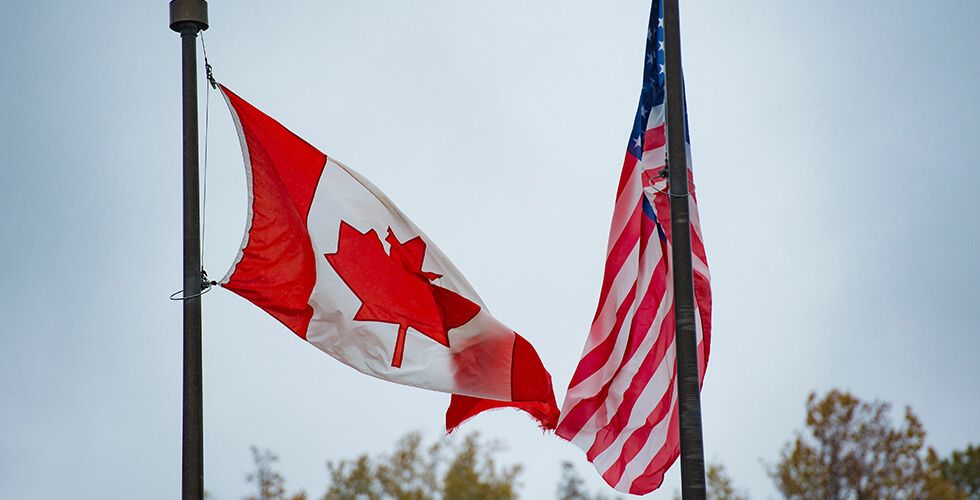
Canada’s Prime Minister, Mark Carney, has firmly rejected what he calls a “bad deal” with the United States as an August 1 deadline for U.S. tariffs looms. Carney emphasized that Ottawa will not accept any agreement “at any cost,” prioritizing a deal that truly benefits Canadian workers and industries.
U.S. President Donald Trump has threatened sweeping tariffs—up to 35%—on Canadian goods not protected under the USMCA, citing Canada’s retaliatory measures and issues like cross-border fentanyl flows
In response, Carney has stated that resolving key matters such as softwood lumber is vital before finalizing any trade deal and that current proposals fail to meet Canada’s standards.
Negotiations remain tumultuous. While Canada recently scrapped its planned digital services tax to restart discussions, progress has been slow. Provinces back Carney’s stance; Quebec’s Premier François Legault describes the situation as “complex,” acknowledging uncertainty ahead of the tariff deadline.
The backdrop is one of broader trade recalibration. Canada is expanding future trade opportunities through talks with the Mercosur bloc and the Indo-Pacific region, aiming to reduce its over-dependence on the U.S. market.
Domestically, Canada is also imposing its own protectionist measures, such as selective steel tariffs to support domestic manufacturers.
In short, Canada is choosing principle over expedience. With the August 1 tariff deadline closing in and complex policy negotiations still unresolved, Carney has made it clear—Canada will hold out for a deal that safeguards its economic interests and workers’ well-being.