


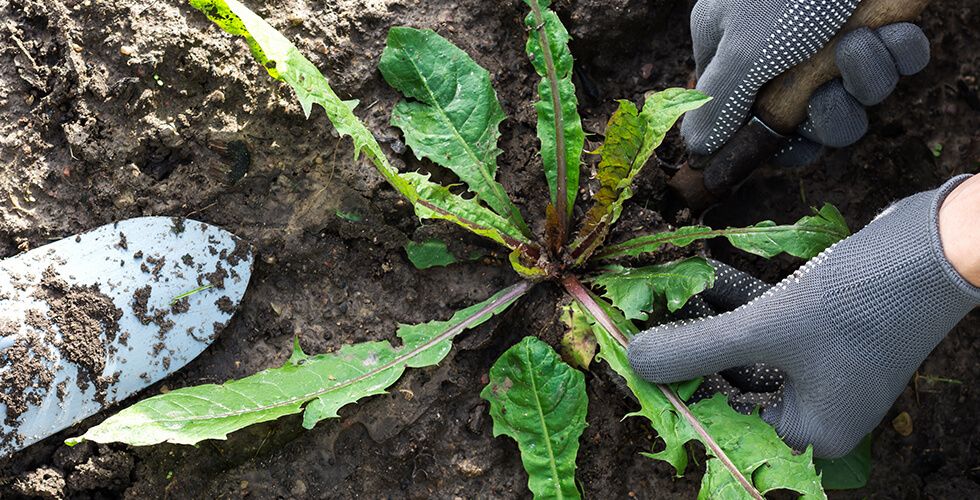
For many people, gardening feels good in ways that go beyond exercise. The lifting, bending, and digging certainly strengthen the body, but it’s the scent of soil, the sound of birds, and the satisfaction of nurturing life that provide a unique mental boost. Now, science is confirming what gardeners have long known instinctively: tending plants is good for the mind as well as the body.
Horticultural therapy, a growing field of research, uses “plant-based and garden-based activities” to support mental health treatment. “Research suggests 20–30 minutes of gardening a few times a week can reduce stress and lift mood, with benefits increasing the more regularly one gardens,” explains Sarah Thompson, a registered horticultural therapist in Boise, Idaho.
Unlike simply spending time outdoors, gardening requires active engagement—planting, pruning, and problem-solving—that fosters a deeper sense of purpose and accomplishment. Studies show it can ease symptoms of anxiety and depression, encourage mindfulness, and help people feel more grounded in the present.
A University of Colorado-Boulder study found that participants given gardening classes, seeds, and plots not only reported lower stress levels and stronger social connections but also increased their fiber intake by 7% and added 42 minutes of weekly physical activity. These changes reduced risk factors for conditions like high blood pressure, diabetes, and even depression.
Other research echoes these findings. A 2020 study in the U.K. showed that gardeners reported health levels comparable to residents of wealthier neighborhoods—highlighting gardening’s powerful equalizer effect. Beyond boosting serotonin through sunlight, even contact with soil introduces beneficial microbes linked to improved mood.
“Gardening improves strength, flexibility, and balance, but also sparks creativity and social connection,” says Thompson. Best of all, it’s adaptable to any space, age, or ability—making its benefits truly universal.