


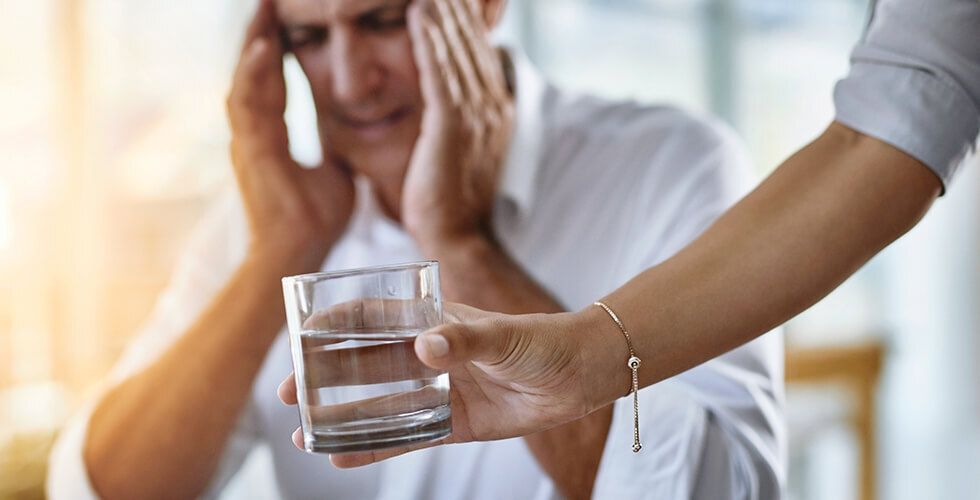
Most of us know we should drink more water—but new research suggests hydration may play a much bigger role in stress resilience than we thought. A recent study published in the Journal of Applied Physiology found that people who drank less than 1.5 liters of fluid a day showed significantly higher levels of cortisol—the body’s main stress hormone—when faced with challenging situations.
Researchers split healthy young adults into two groups: one consumed less than 1.5 liters of fluids daily, while the other met or exceeded standard hydration guidelines (about two liters for women and 2.5 liters for men). After a week, both groups faced a stressful lab test involving public speaking and mental math.
While participants reported similar nerves, the under-hydrated group experienced a far greater spike in cortisol. Over time, repeated cortisol surges can take a toll, raising the risk of heart disease, diabetes, and kidney problems.
Interestingly, those drinking less didn’t always feel thirstier—but their darker urine told a different story. That’s because thirst alone isn’t a reliable gauge of hydration needs. Behind the scenes, the brain releases vasopressin, a hormone that conserves water but also stimulates the stress-response system—making the body more reactive in tense moments.
Experts say this creates a “double burden”: the body preserves fluid but pays the price with heightened stress sensitivity. For anyone juggling daily demands—work deadlines, family responsibilities, financial pressures—this can compound over time.
The takeaway? Staying hydrated may be a simple, overlooked tool for managing stress. While it’s not a cure-all, keeping your fluids up could give your body a subtle but meaningful edge. Check your urine color—aim for pale yellow—and remember: water isn’t just survival fuel, it’s stress armor.