


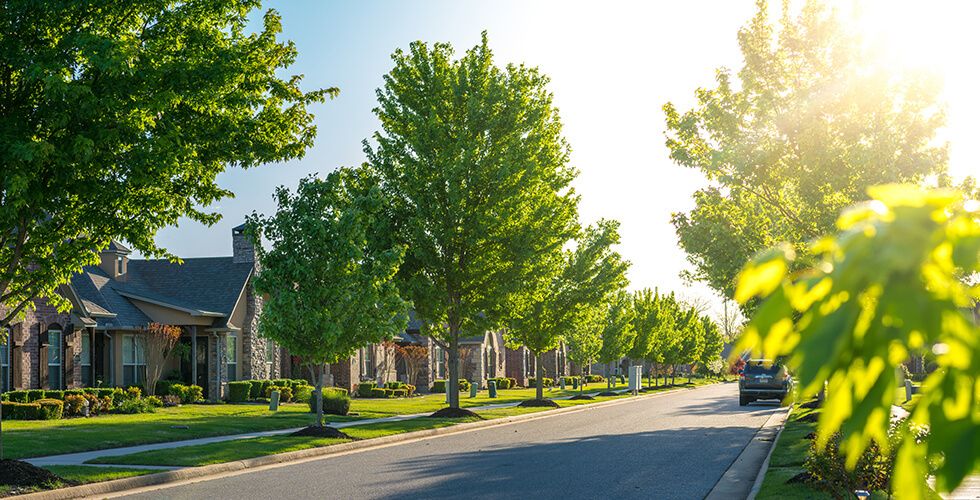
Living near trees, parks, and natural green spaces isn’t just a luxury—it’s a powerful prescription for mental wellness. A groundbreaking study out of Texas analyzed over 61 million outpatient visits across 1,169 ZIP codes and found that neighborhoods with more greenery saw dramatically lower rates of depression, bipolar disorder, and other mental health issues, by as much as 60%.
The researchers utilized a tool called NatureScore, which combines satellite images, pollution data, and tree canopy coverage. When a neighborhood scored 40 or higher, deemed “Nature Adequate,” mental health visits began to decline. Hit 60, and outpatient visits were cut in half.
“Brains respond to green,” explained lead researcher Omar M. Makram. “Natural scenes lower stress hormones and interrupt the negative thought loops common in anxiety and depression.”
Even short walks through urban forests can improve one’s mood, studies show, and green streets offer added benefits: cleaner air, reduced noise, and increased physical activity—all proven mood-boosters.
Importantly, the study controlled for income, race, insurance, and education, meaning the mental health benefits of greenery held across demographics. One mature tree every 50 feet, a small park within a quarter-mile, and low nighttime glare were enough to tip the balance.
Cities like Austin and Chicago are already putting this research into action, planting trees and converting alleys into lush microparks. With hospital stays for mental health averaging $8,000, these green investments also save money.
As urban populations grow, planners are increasingly incorporating the idea that mental health should be included in zoning codes. This study, published in the International Journal of Environmental Research and Public Health, offers one clear message: more trees mean fewer ER visits—and healthier, happier communities.