


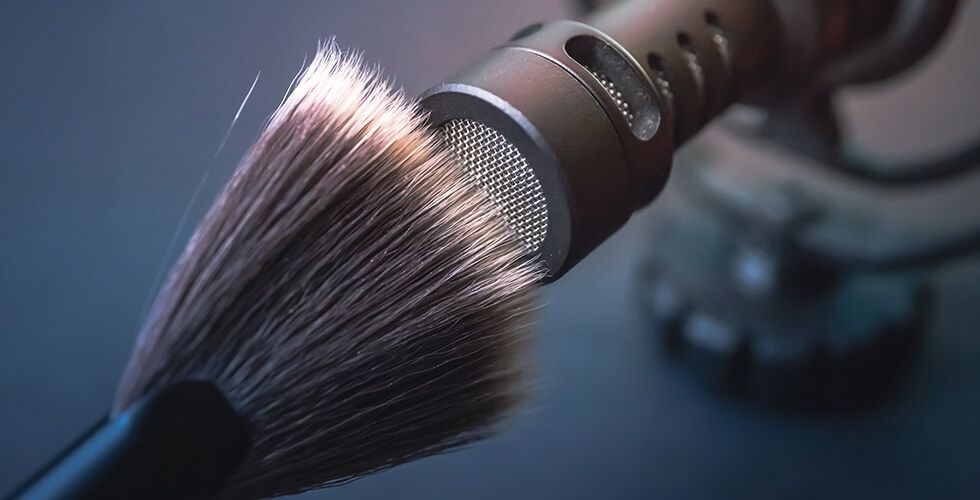
ASMR—short for Autonomous Sensory Meridian Response—has gained popularity on TikTok and YouTube, attracting millions to videos of people whispering, tapping, brushing microphones, or role-playing spa visits. Fans claim these oddly satisfying sounds trigger a tingling sensation that starts at the scalp and trickles down the neck and spine. For some, it’s pure comfort. For others, it’s like legal brain candy to unwind, de-stress, or even drift off to sleep.
But does ASMR actually have any real impact on your mind or body? Research is catching up with the trend. A 2018 study published in PLOS ONE found that people who experience ASMR report lowered heart rates while watching or listening, suggesting a genuine relaxation response. Another study in the Journal of Research in Personality linked ASMR to temporary relief from anxiety and insomnia. The catch? Not everyone feels it. Some watch hours of whisper videos and feel absolutely nothing—no tingles, no chill, just secondhand awkwardness.
Skeptics argue the whole vibe is just pseudo-science mixed with placebo. After all, the ASMR world is now a $1 billion economy—think sponsored mukbangs, ‘brain-tingle’ mics, and even big brands using ASMR in ads to sell food or makeup. But fans swear it works: whether it’s soft sounds, slow movements, or intentional attention, ASMR can mimic the calming presence of human closeness, which most of us crave in an anxious, hyper-connected world.
So, is ASMR the future of mental health therapy? Probably not. But if whispering pickles and tapping nails help you sleep or unwind, who’s judging? Just don’t expect your doctor to prescribe a YouTube playlist—yet.