


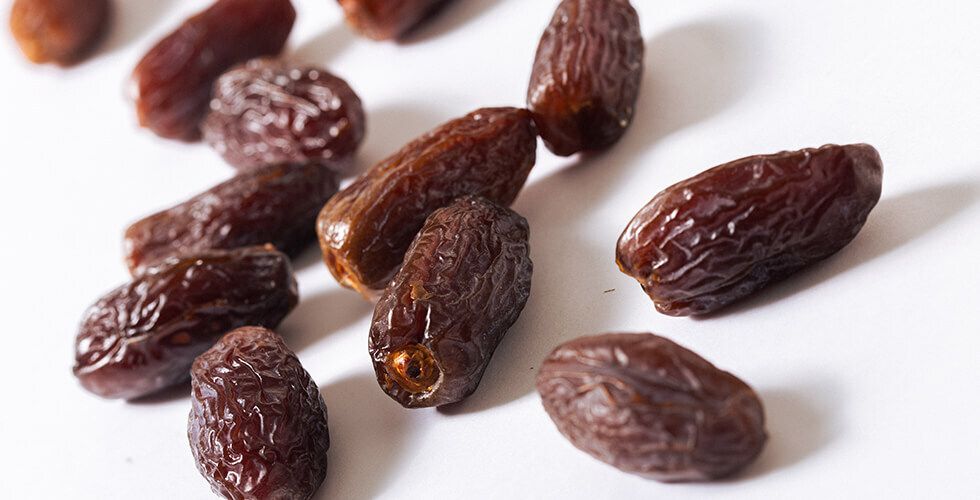
When it comes to natural sweeteners, date sugar is quickly becoming a favorite among health-conscious cooks. Unlike refined white sugar or even many so-called “natural” alternatives, date sugar is made simply by drying whole dates and grinding them into a fine powder. This minimal processing means it retains much of the fruit’s original fiber, minerals, and antioxidants—offering sweetness with substance.
One of the biggest advantages of date sugar is its nutrient profile. Because it’s essentially the whole fruit in powdered form, it contains potassium, magnesium, and iron, along with beneficial plant compounds. These nutrients support heart health, energy production, and overall well-being. While it is still sugar and should be enjoyed in moderation, it offers far more than empty calories.
Another standout benefit is fiber content. Unlike refined sugar, which spikes blood sugar quickly, date sugar’s natural fiber slows digestion and promotes steadier energy release. This makes it a more balanced option for those seeking to avoid sugar crashes. Fiber also supports gut health, giving date sugar an edge over liquid sweeteners like honey or maple syrup.
In the kitchen, date sugar is a versatile ingredient. It adds a rich, caramel-like sweetness that pairs beautifully with baked goods, oatmeal, smoothies, and even savory dishes, such as sauces or marinades. However, because it doesn’t dissolve as easily as refined sugar, it’s best used in recipes where a slightly rustic texture is desired or where its natural flavor complements the dish.
Choosing date sugar isn’t just about health—it’s also about sustainability. Dates are a low-water crop compared to cane sugar, and the production process is simple and eco-friendly.
In short, date sugar offers a rare combination: sweetness, nutrition, and versatility. It proves that indulging your sweet tooth can still be part of a wholesome and healthy lifestyle.