


Before you toss that bag of potatoes into your grocery cart, there’s something you should know: the most-consumed vegetable in the U.S. is now part of the infamous “Dirty Dozen.” According to the latest Shopper’s Guide to Pesticides in Produce, released June 12 by the Environmental Working Group (EWG), potatoes have joined the ranks of produce with the highest levels of pesticide contamination.
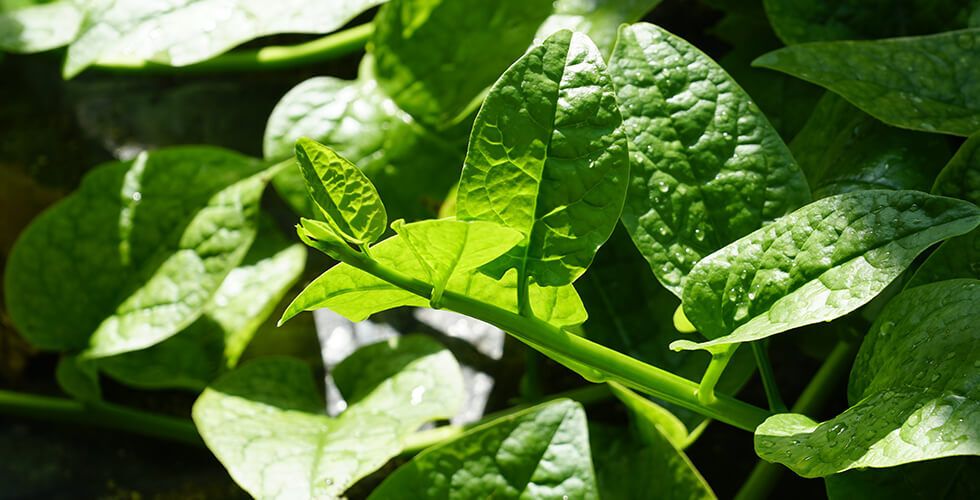
This year, spinach edged out strawberries for the top spot. While strawberries have long been a concern, spinach was found to contain more pesticide residue by weight than any other produce tested. In fact, 75% of non-organic spinach samples contained permethrin, a neurotoxic insecticide banned in Europe.
Potatoes, meanwhile, tested positive for chlorpropham in 90% of samples. This chemical is commonly used to prevent sprouting in storage, but has been banned in the European Union over safety concerns. It’s a sobering fact, considering how frequently potatoes appear on American dinner plates.
Also new to the Dirty Dozen are blackberries, tested for the first time by the USDA in 2023. Other familiar faces on the list include apples, grapes, peaches, kale, and pears.
The EWG doesn’t publish this guide to scare consumers, but to empower them. “Our research takes into account the potency of each chemical and can help shoppers reduce their overall pesticide burden,” says Dayna de Montagnac, M.P.H., an EWG associate scientist.
On a brighter note, the “Clean Fifteen” features produce with the lowest pesticide residues. Pineapples, sweet corn, avocados, papayas, and onions top the list.
The EWG’s rankings are based on over 53,000 tests of 47 fruits and vegetables. This year, they also factored in the toxicity of pesticide compounds, not just the amount, giving shoppers a clearer view of what’s really on their produce.
Your healthiest choices might start at the source.