


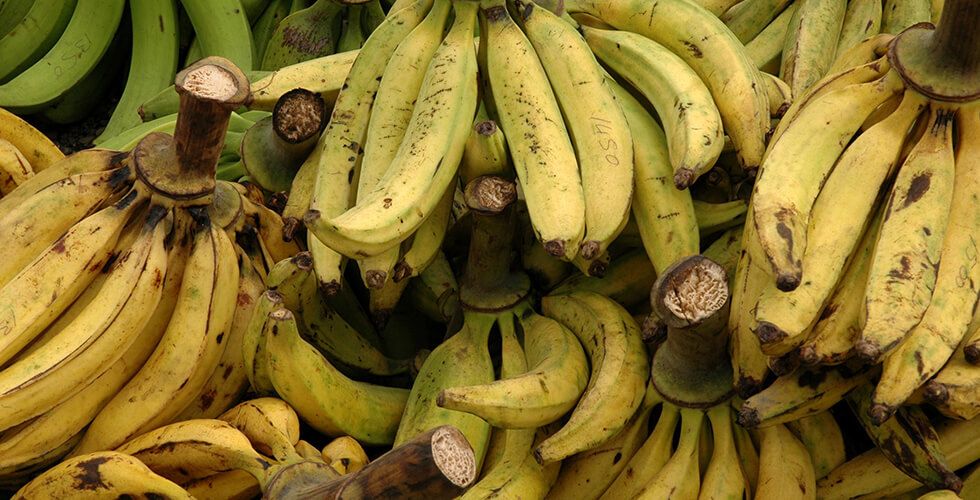
Bananas and plantains may look like cousins — and they are — but these tropical fruits pack different benefits when it comes to heart health, blood sugar, and overall nutrition. Knowing the difference can help you pick the right one for your needs.
Nutritional Face-Off
If you’re watching calories or monitoring blood sugar, bananas generally take the lead. They’re lower in calories and carbohydrates, making them a lighter choice for snacks or smoothies. Their natural sweetness comes from higher sugar content, which gives quick energy but can cause a faster blood sugar spike.
Plantains, on the other hand, are starchier and less sweet, offering more complex carbs for sustained energy. They shine in potassium and vitamin A content, both vital for heart function, muscle performance, and vision health. When eaten unripe, plantains have a gentler impact on blood sugar compared to ripe bananas.
Cooking Counts
While bananas are usually eaten raw, plantains are almost always cooked — often fried, which adds fat and calories. To keep them heart-friendly, opt for boiling, baking, or grilling instead.
Heart & Blood Sugar Benefits
Both fruits are potassium powerhouses, helping regulate blood pressure and support heart health. Bananas also feed healthy gut bacteria, aiding digestion and promoting regularity. Plantains bring extra fiber for fullness and blood sugar regulation, plus vitamins C and A to boost immunity.
The Verdict
Neither is “better” — it depends on your goals. Choose bananas for a quick, sweet, low-calorie energy boost. Go for plantains when you want a nutrient-dense, fiber-rich option that’s more filling and versatile in savory dishes. Mixing both into your diet offers the best of both worlds for flavor and health.