


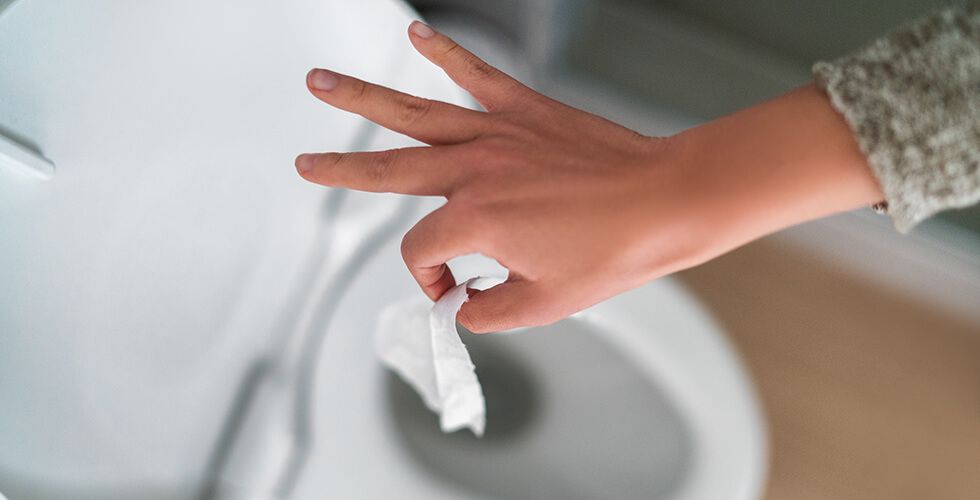
It’s not dinner table conversation, but most Americans admit to doing it: looking at their poop. A Health survey of over 2,000 adults found that 48% always check the toilet bowl and 60% inspect the toilet paper. In total, 83% of respondents admitted to looking at least sometimes, and experts say that’s a good thing.
“There’s nothing to be embarrassed about,” says Dr. Felice Schnoll-Sussman of NewYork-Presbyterian/Weill Cornell Medicine. “Checking your stool can lead to early detection of serious health problems.”
Why does it matter? Your poop can reveal key clues about digestive health, diet, hydration, and even underlying medical issues. Changes in color, shape, or consistency can signal everything from mild constipation to gastrointestinal bleeding. For example, black or tarry stools may indicate ulcers, while clay-colored stools can point to bile duct problems.
Using tools like the Bristol Stool Chart, you can learn what “healthy” looks like. Type 4—a smooth, sausage-shaped log—is considered ideal. Regularly seeing pebbly stools may mean dehydration or low fiber, while frequent watery stools can signal infections or inflammatory bowel issues.
Millennials, interestingly, check less than other generations, even though they report more digestive issues. Experts suspect reliance on health tech might make them overlook physical signs.
Doctors recommend glancing at your stool periodically to understand your normal patterns. Dramatic or ongoing changes—especially blood, persistent diarrhea, or pencil-thin stools—warrant a check-in with your doctor.
“You’ll be the first to spot when something’s wrong,” says Dr. Mark Pimentel of Cedars-Sinai. “And the earlier we catch issues, the easier they are to treat.”
Bottom line: Checking your poop isn’t weird—it’s a simple, free health checkup you can do every day. Your toilet bowl might just hold the first sign that something in your body needs attention.