
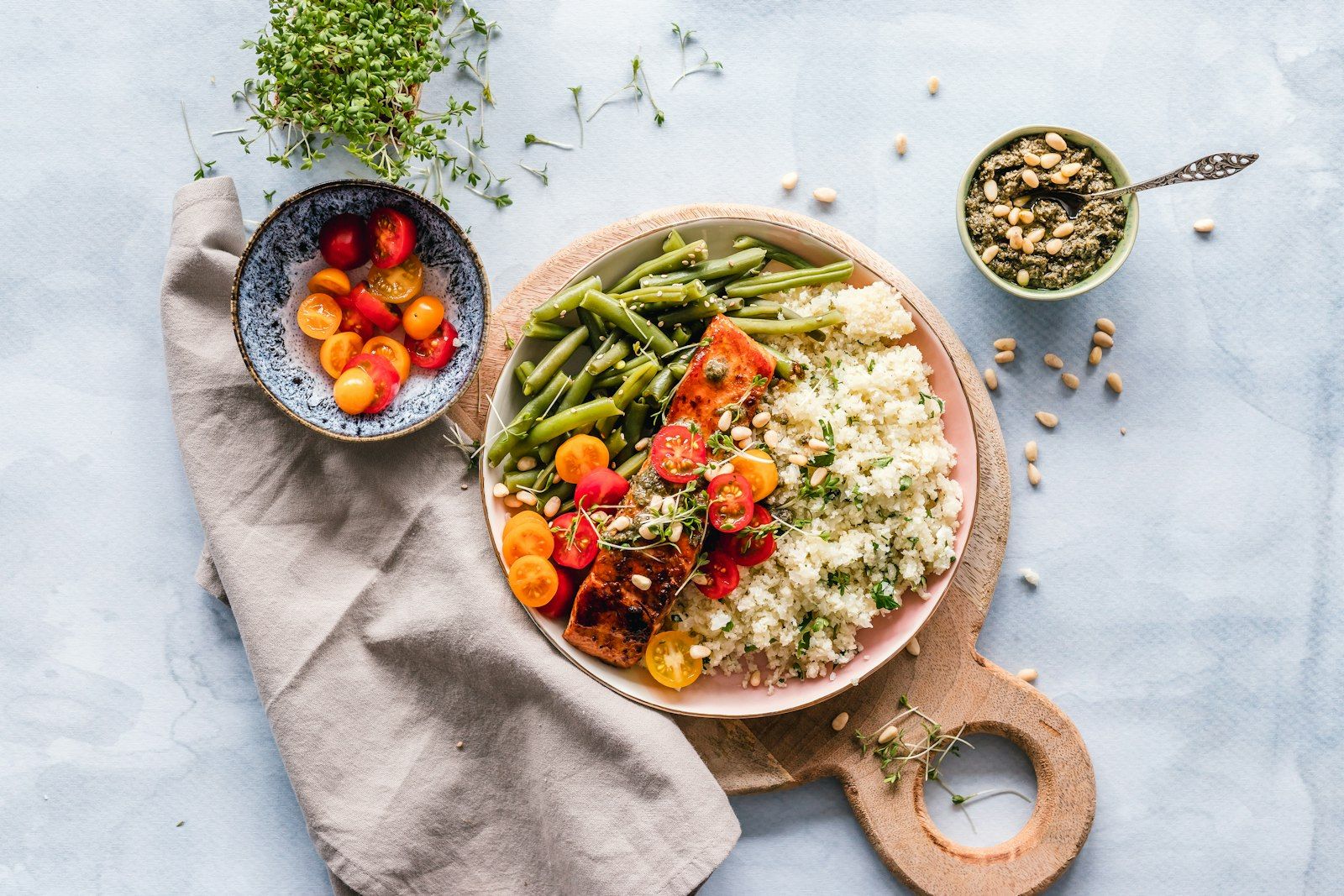
Meal kits cost more than groceries because convenience is the product. You are buying washed herbs in a plastic bag, a recipe card, and the feeling that dinner is handled. The chicken itself is still chicken. Over the 12 months ending in July 2026, food at home rose 2.7 percent and food away from home rose 3.4 percent. A kit sits in the awkward middle: it is not a restaurant, and it is not a bag of rice and frozen broccoli. It is a subscription with produce. If it keeps you off the drive-through three nights a week, it can be cheaper than food away from home. If it wilts in the fridge because Thursday got away from you, it is the most expensive compost in the house.
The Alternative Daily take: pay a convenience tax only on the nights convenience actually happens. A kit you skip is a grocery bill plus guilt. A pot of beans you actually eat is dinner.
When meal kits are a rational convenience tax
New cooks, new parents, and people coming off a medical week sometimes need the on-ramps: portions, a list, a 30-minute path. That is real. Count the cost per serving against your usual takeout, not against bulk oats. If the kit replaces a $60 restaurant night, it can win. If it replaces a $12 pantry meal, it loses. Be honest about which night it is.
Watch the protein and the oil. Some kits lean on the same commodity cooking fats and tiny vegetable portions you would not defend in a packaged snack. Convenience is allowed. A health halo is not required. If the card says “wellness” and the pan is still a sugar sauce, you bought a recipe, not a protocol.
How meal kits quietly become a subscription problem
Skipping a week is supposed to be easy. Sometimes it is not. Cutoff times, paused accounts that un-pause, and boxes that ship because you forgot the app are classic negative-option behavior. Treat a meal-kit plan like any other subscription: calendar the cutoff, skip when the week is already full, cancel when you are back in a grocery rhythm. Screenshot the cancel.
- Price a recent box per serving, including shipping. Write the number on the fridge. Reality lives on the fridge.
- Do not run a kit and a full grocery trip “just in case.” That is two food systems. Pick one for weeknights.
- Use leftover kit vegetables in tomorrow’s eggs. The box is not sacred.
- If a box arrives ruined, photograph it and claim the credit the same day. Warm chicken is not a recipe problem. It is a food-safety problem.
- Once you know the five dinners you actually like, buy those ingredients in the store and retire the box.
That last point is the exit ramp. Kits can be a cooking class you eat. They should not be a personality. Graduate.
Meal kits versus the household grocery floor
Staples still win on money and on health: eggs, beans, frozen vegetables, oats, potatoes, a whole chicken, store-brand yogurt. Build the week there. Insert a kit only on the night you would have otherwise tapped an app. That is a scalpel. A weekly standing box is a blunt object.
Kids complicate this. A kit that everyone eats can beat three short-order dinners. A kit that only one adult likes is a luxury with packaging. Let the household vote with their forks for two weeks, then decide.
The household rule for meal kits
Convenience is a product. Pay for it when it replaces something more expensive or more exhausting. Do not pay for it as a default. Grocery inflation already lifted the cost of actual food. You do not need a second markup for a cardboard box and a sprig of thyme. Cook the cheap food on the easy nights. Use a kit, or takeout, on the nights that would otherwise break you. Then cancel the standing order before the thyme dies in the crisper. That is consumer-first dinner.