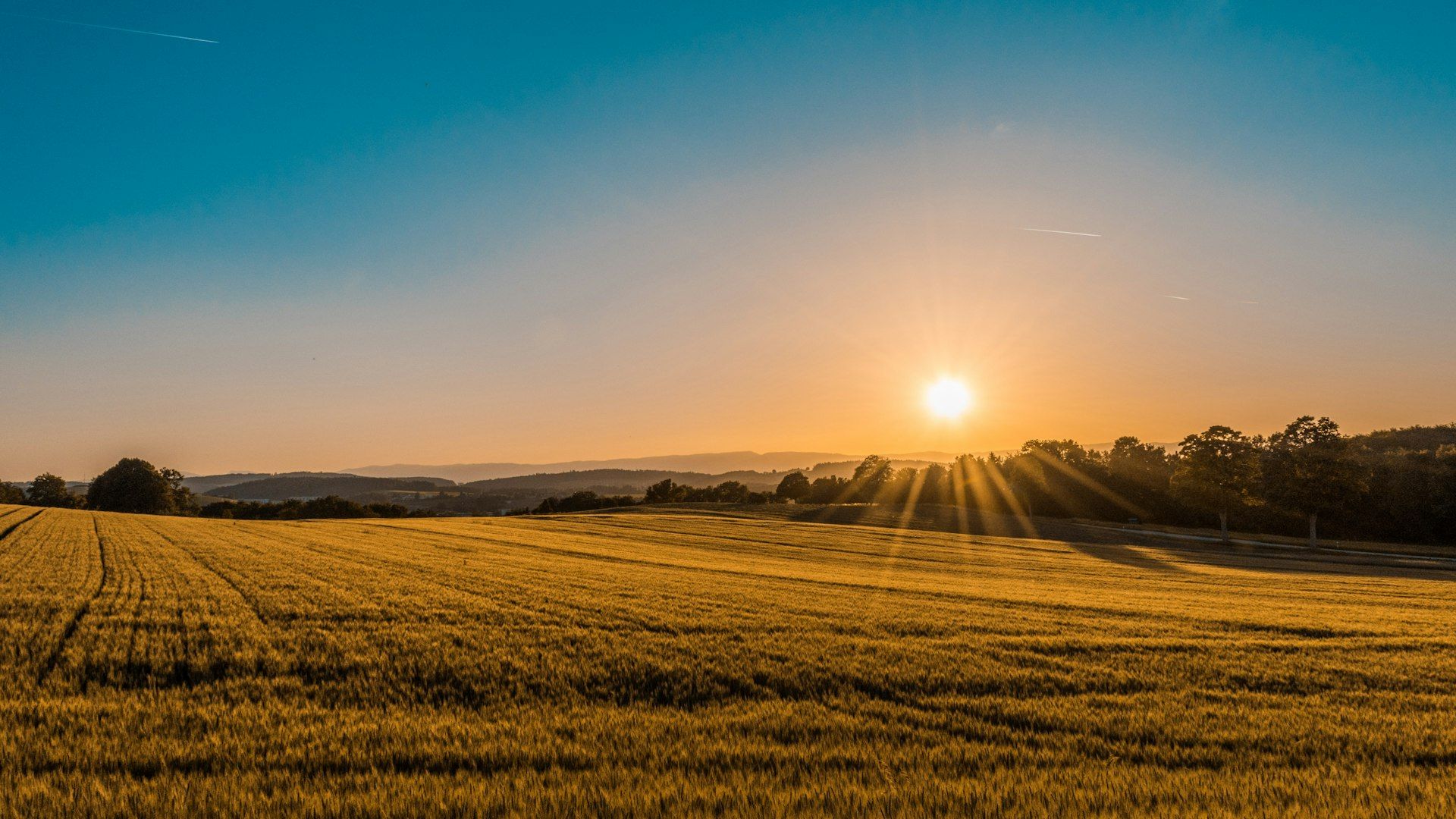
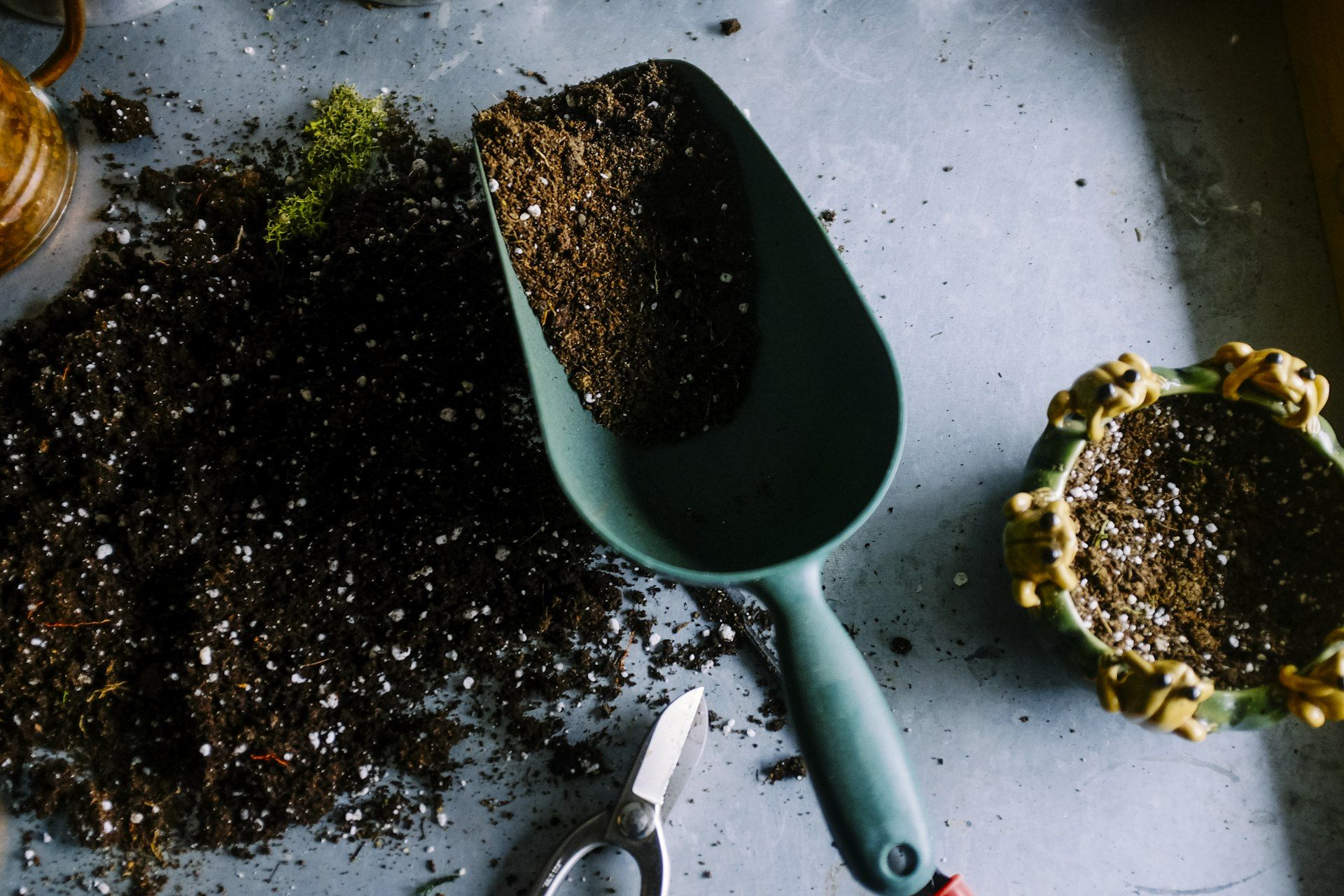
Food debates love ingredients. They skip dirt. Regenerative agriculture, when it is more than a label, is a soil-health strategy: keep living roots in the ground, cover the surface, mix plants and animals, and stop treating the field like a factory floor that can be tilled indefinitely. That is not a smoothie brand. It is whether next year’s crop has anything left to grow in.
USDA’s Natural Resources Conservation Service defines soil health as the continued capacity of soil to function as a vital living ecosystem that sustains plants, animals, and humans. Healthy soil is not brown dust. It is structure, water storage, nutrient cycling, and a community of organisms you will never see on a package. NRCS soil-health management systems lean on four principles: minimize disturbance, maximize soil cover, maximize biodiversity, and maximize living roots. Cover crops, diverse rotations, reduced tillage, and well-managed grazing are the unglamorous verbs.
What is regenerative agriculture supposed to regenerate?
Function. Eroded fields shed topsoil into rivers. Bare ground bakes, then floods. Compacted dirt holds less water for a drought and less biology for a plant. Regenerative talk promises to reverse that. Some farms do. Some marketers print the word on a chicken package and keep the same confined system. There is no single federal stamp that makes “regenerative” mean one recipe, which is why the NRCS framing — soil, water, biodiversity, whole-farm planning — is more useful than a logo.
Public health arrives later in the chain. Mineral density, water quality, and pesticide load all start with how a field is treated. You do not need an invented carbon credit to care that a watershed is full of runoff. You need farmers who can afford not to mine the soil for one more season of yield-at-all-costs.
Does regenerative farming actually improve soil?
It can, when the practices are real and given time. NRCS notes that systems using no-till, cover crops, and diverse rotations can increase organic matter and improve how soil takes in water. That is a direction, not a guarantee on every acre. Outcomes depend on climate, soil type, and whether the cover crop was a photo-op. Anyone quoting a universal yield bump or a precise tons-of-carbon figure is selling. Ask what was measured on that farm.
How can shoppers support soil without buying a buzzword?
- Look for farms that name practices: cover crops, rotations, pasture, reduced tillage. A poem about “regenerating the planet” is not a practice.
- Organic certification restricts many synthetics. It is not automatically regenerative, and regenerative is not automatically organic. Read both.
- Regional meat and produce from grazers who move animals on pasture is closer to the biodiversity principle than a confined warehouse with a green sticker.
- Waste less food. Every discarded calorie is soil and water you already spent.
- If you have a patch of ground, cover it. Mulch and a cover crop in a backyard are the same physics as a prairie strip.
NRCS is not a lifestyle magazine. Its four principles — less disturbance, more cover, more diversity, more living roots — are the test you can take to a farm stand. A rancher who moves cattle on pasture is doing a version of the biodiversity and living-root ideas. A confined warehouse with a green sticker is doing marketing. Organic certification restricts many synthetics and is still not a synonym for regenerative. You can ask for both. You can also waste less food, which is soil and water you already spent.
If you have a patch of ground, cover it. Mulch and a winter cover crop in a backyard are the same physics as a prairie strip, just smaller. Soil is public health with a longer fuse. Slogans rot. Roots do not.
Soil is public health with a longer fuse. Slogans rot. Roots do not. Pay for the farm that still has dirt worth planting, and treat “regenerative” as a question you get to ask, not a halo you have to swallow.