You stretch on Sunday, feel virtuous for twelve minutes, then sit for the rest of the week. By Thursday your hips feel like rusty hinges again. Stretching once a week does almost nothing for stiff hips—not because stretching is useless, but because hips respond to what you do most days, not to a single heroic session.
Stiff hips are often a lifestyle signal: long sitting, short walking, sudden workouts with no warm-up, and a calendar that treats mobility like an optional spa treatment. A weekly stretch can feel good in the moment. It rarely outruns six days of stillness.
This is practical wellness, not a lab paper. You do not need perfect anatomy charts or a boutique recovery gadget. You need frequency, gentle ranges you can repeat, and a few posture habits that stop unloading your hips every hour you sit.
Why does stretching once a week fail stiff hips?
Tissue adapts to regular input. One long stretch session is a blip. Sitting for hours shortens and tightens the front of the hips for many people; sporadic stretching cannot fully rewrite that pattern before Monday morning meetings put it back.
There is also a warmth problem. Cold, rushed stretching—especially deep holds you force because you “finally have time”—often feels sharp instead of productive. Brief, frequent mobility after you have already moved a little tends to feel safer and stick better.
Weekly stretching can still be pleasant. Treat it as a bonus, not the plan. Stiff hips usually need a daily nudge more than a weekend renovation.
What actually makes hips feel stiff day to day?
Common culprits are ordinary: commuting in a flexed position, desk work with a tucked pelvis, binge-watching in a sinkhole couch, and skipping walks between tasks. Hips spend hours in one shape, then you ask them to open wide in a single yoga video.
Strength imbalances matter too. Weak glutes and a sleepy mid-back can leave the hips doing awkward compensatory work when you stand, climb stairs, or pick up a laundry basket. Stretching alone does not rebuild that support.
Stress shows up in the body as bracing. Jaw, shoulders, and hips often hold tension together. A weekly stretch that ignores sleep, stress, and all-day posture is fighting with one hand behind its back.
Is daily stretching the answer for stiff hips?
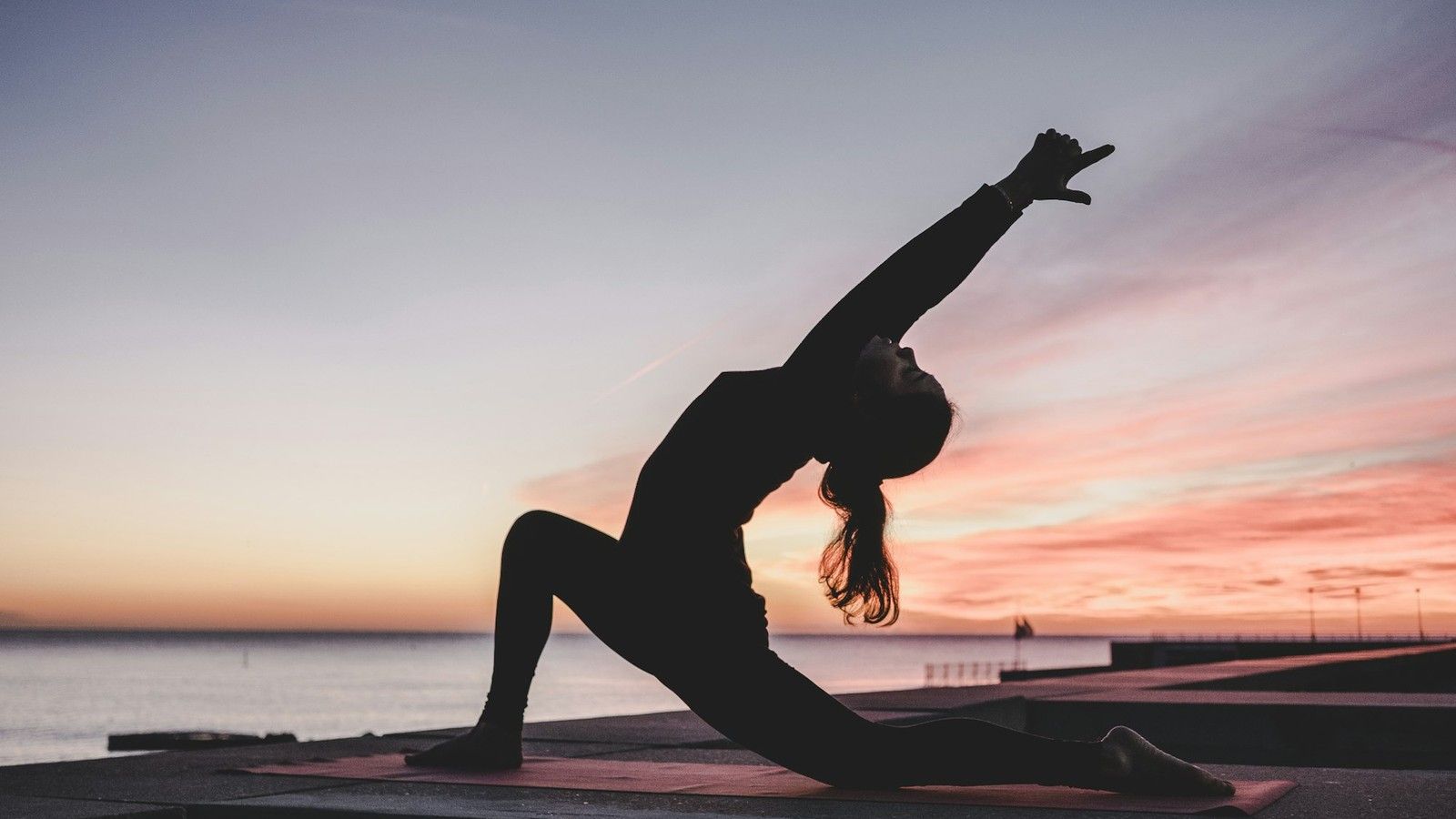
Daily helps—if it is short, kind, and paired with movement. Five focused minutes most days usually beats fifty minutes once. Think openers you can do in socks beside the bed or after a bathroom break: gentle hip flexor lunges with a support, figure-four stretches on your back, easy squats to a comfortable depth, slow circles while standing.
You are teaching your nervous system that these ranges are normal, not emergency events. That is why frequency wins. Your hips “remember” yesterday’s five minutes more than last Sunday’s marathon.
If a position creates sharp pain, pinching in the front of the hip, or numbness, stop and get a clinician’s take—especially if stiffness came on suddenly after a fall or with swelling. Everyday desk-hip stiffness is common; ignoring red flags is not wisdom.
What morning habits make hips and backs feel older?
Waking up and folding straight into a phone hunch, then into a car seat, then into a chair, stacks flexion on flexion. Your hips never get a full extension break. Add a bag on one shoulder and shoes with no support, and the whole chain from foot to low back feels crankier by lunch.
Another aging-feeling habit: skipping a minute of movement before the first long sit. You do not need a workout. You need to stand tall, walk to the kettle, do a few slow sit-to-stands from a sturdy chair, and let the hips travel through a bigger range before you park them.
Cold plunges into deep pigeon pose on a stiff morning are not a flex. Warm tissues first with a short walk or marching in place. Then stretch lightly. Your future self prefers patience to Instagram depth.
How often should you move if your hips feel locked?
Aim for a mobility snack every day you sit a lot. Two to five minutes is enough to start. Stack it onto something you already do: after coffee, after lunch, when a meeting ends, before you start the evening scroll.
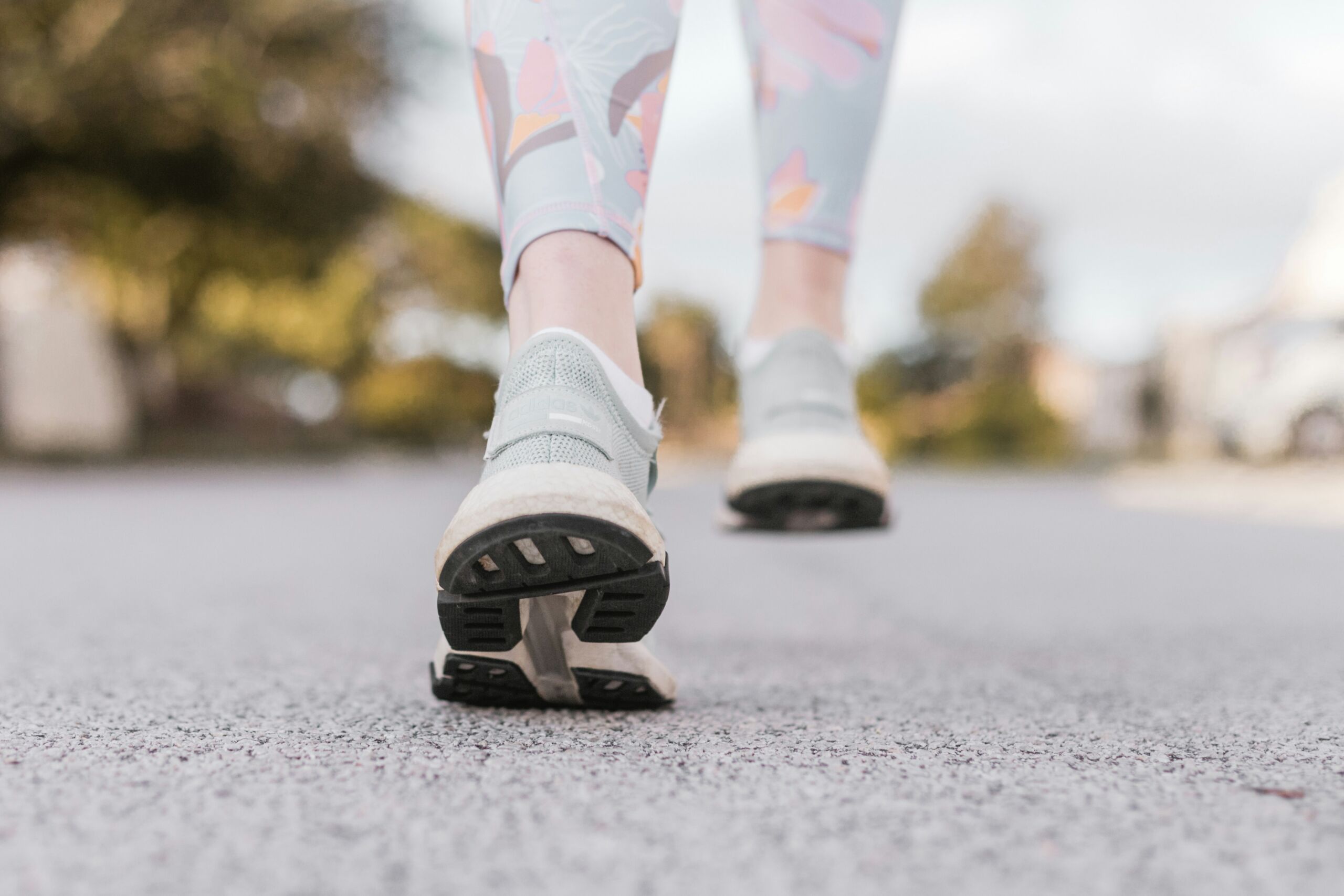
Walk more between sits. Even a loop around the block or a few flights of stairs helps hips share work with the rest of the body. If walking is limited, seated marches, standing weight shifts, and supported sit-to-stands still count.
Twice a week, add a slightly longer session—fifteen to twenty minutes of mixed mobility and light strength for glutes and core. That longer block supports the daily snacks. Alone, it will not cancel a sedentary week.
What beats another “hip opener” video binge?
Consistency and context beat novelty.
1. Change the sit. Stand for phone calls. Use a timer to stand and reset every thirty to forty-five minutes. Scoot your hips back in the chair so you are not perched in a constant crunch.
2. Train the other side of stiffness. Gentle glute bridges, side-lying clam shells if they feel good, and careful step-ups help hips feel supported, not just stretched.
3. Stretch after you move. Walk first. Then hold easy stretches for a few calm breaths. Stop short of forcing.
4. Check your evening collapse. Soft couches that fold you in half for three hours undo a careful morning. Sit taller, use a footrest, or stretch briefly before the next episode.
Will stiff hips always mean you need a device or a cleanse?
Usually no. Most people need better daily geometry: less unbroken sitting, more honest walking, short mobility they will actually repeat, and strength that makes open ranges feel stable.
Gadgets and extreme protocols sell hope. Your hips sell feedback. If five daily minutes plus a short walk make stairs and sleep positions feel easier within a couple of weeks, you are on a useful path. If pain worsens, or stiffness comes with locking, giving way, or night pain, get assessed instead of stretching harder.
Stretching once a week is a nice ritual. Stiff hips ask for something less dramatic and more loyal: small ranges, most days, woven into the life that tightened them in the first place. That is how hips start feeling less like an old hinge—and more like a joint you still own.
What if stiffness still hangs around after you move more?
Movement snacks and stronger hips help a lot of desk-day stiffness. If your knees, hips, or back still feel hot, puffy, or stubbornly sore even when you are moving more, Joint Flex is an eight-active formula built for everyday joint comfort and mobility support—so you are not relying on sitting less alone.
You get 60 days to decide, and you keep the bottles. Free shipping on every order.