
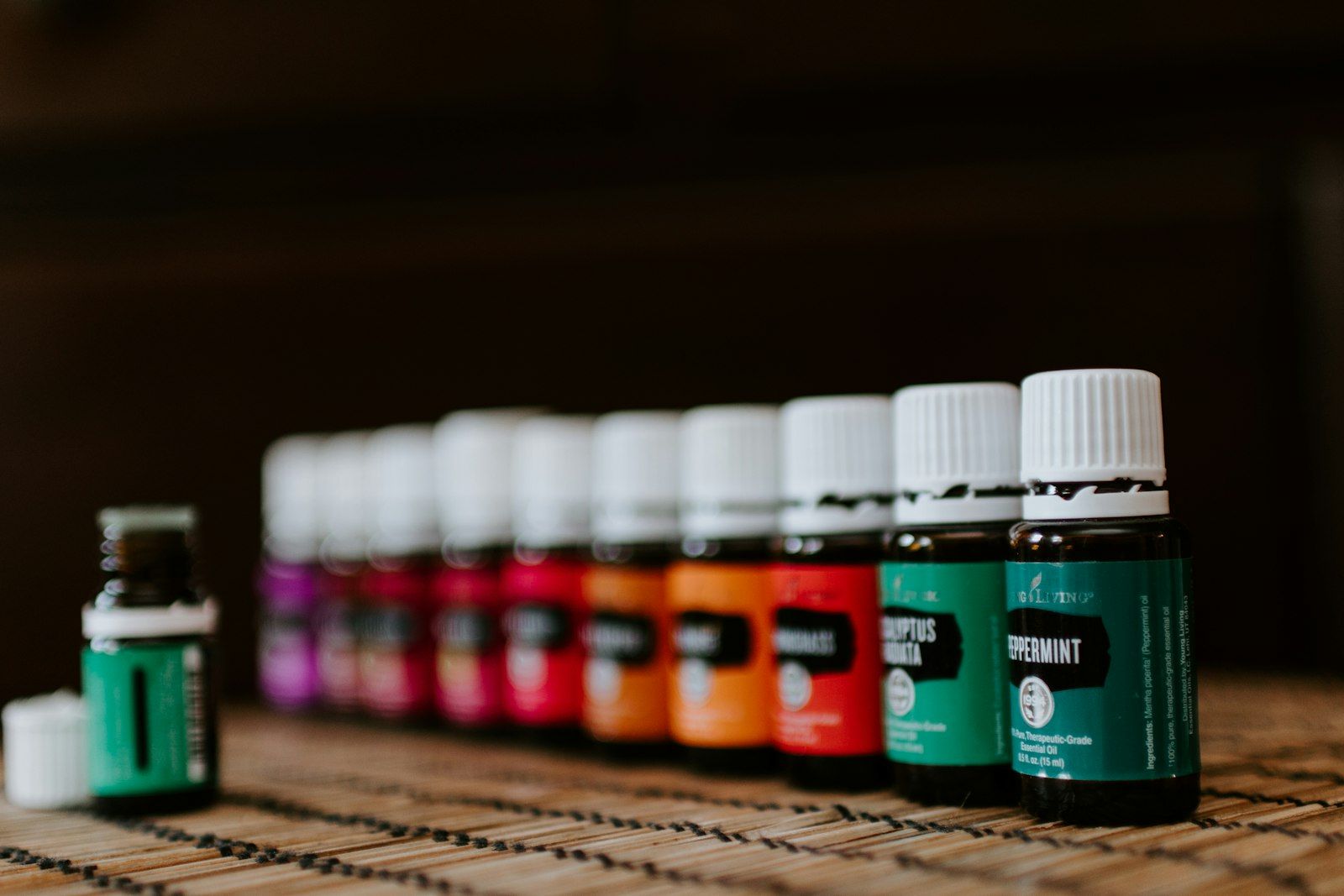
Supplement aisle markups sell hope at pharmacy prices. The bottle has a clinical font, a leaf, and a structure/function claim that sounds like medicine until you read the tiny disclaimer. Under the Dietary Supplement Health and Education Act, FDA does not approve dietary supplements before they go to market. Manufacturers are responsible for safety and for having substantiation for claims. FDA can act after the fact against adulterated or misbranded products. The FTC polices advertising: claims must be truthful, not misleading, and substantiated. That split is how a capsule can look like a drug and be regulated like a food.
The Alternative Daily take: food first. If a nutrient problem is real, a clinician and a lab are cheaper than a cart full of unproven stacks. The aisle is not a hospital, and the price is not proof.
What supplement aisle markups are charging for
You are paying for marketing, for a boutique dose, for a “proprietary blend” that hides the milligrams, and for the privilege of feeling like you did something. A basic store-brand vitamin D or iron, when a clinician has actually found a deficiency, can be inexpensive. The $48 bottle with five extra ingredients and a podcast host is the markup. Proprietary blends are a spotlight with the dimmer missing. If they will not tell you the dose, you cannot compare value, and you cannot compare safety.
Organic on a supplement is a USDA labeling issue for agricultural ingredients, not a clinical trial. “Clinically studied” may refer to one ingredient in a different dose than the one in the bottle. The FTC’s health-products guidance is tired of that move. You should be too.
When a supplement is a purchase instead of a wish
Some deficiencies are real. Prenatal folate, B12 in people who do not absorb it, vitamin D when a clinician has a reason, iron for diagnosed iron-deficiency: those are medical conversations. They are not influencer conversations. Bring the bottle to the pharmacist and the clinician. Ask about interactions. “Natural” does not mean it plays nicely with blood thinners, thyroid meds, or anesthesia.
If no one has measured anything, you are buying a story. Spend the same money on produce, sleep, and the appointment you have been delaying. That is the boring stack that actually changes labs.
How to walk the supplement aisle without funding a story
- Ignore the front of the bottle. Read the Supplement Facts panel and the disclaimer.
- Skip proprietary blends. Skip anything that promises to diagnose, treat, cure, or prevent a disease. That claim does not belong on a supplement.
- If you still buy, pick a store brand with a listed dose you can compare, and tell your clinician.
- Do not finance supplements with buy now, pay later. Hope is a terrible installment.
- Be extra wary of products for weight, sexual function, and “detox.” Those categories keep showing up in enforcement actions for a reason.
A third-party testing seal is a quality-control clue, not a miracle. It still does not make an unneeded pill a health need.
The household rule for supplement aisle markups
The kitchen beats the aisle. Eggs, beans, frozen vegetables, and a cheap vitamin when a clinician says so will outperform a cabinet of half-used bottles. Those bottles are how households leak money while feeling responsible.
Keep a shoebox rule: if a bottle has sat unopened for 90 days, it was never a need. Do not reorder on subscribe-and-save just because the email said you were low. Unsubscribe is a health decision when the product was hope.
If a clinician has you on a specific dose, write it on a card in the cabinet so the next grocery trip does not “upgrade” you into a blend you did not ask for.
Supplement aisle markups will keep using the language of medicine because medicine is what you wish you were buying. Buy the appointment. Buy the food. Leave the $48 hope on the shelf. Your future self, the one who has to throw out expired capsules, will not miss them.