
The snack aisle does not come with a skull and crossbones. It comes with a cartoon and a fiber claim. Ultra-processed food still has no required processing warning in the United States, even after an NIH trial showed people eat hundreds of extra calories a day on those menus. That silence is not an accident. Warning labels change sales. Formulations made in factories do not want to be described as factories.
Carlos Monteiro’s NOVA system sorts food by the extent and purpose of processing. Group 4 — ultra-processed — is industrial formulations, often with cosmetic additives, substances not used in home kitchens, and a business model of cheap ingredients, long shelf life, and aggressive branding. If you cannot picture making it on a Saturday without a pilot plant, you are probably holding Group 4.
What counts as ultra-processed food?
Bread you bake from flour, water, salt, and yeast is processed. A packaged loaf with emulsifiers, invert sugar, and dough conditioners is a different object. Soda, many breakfast cereals, reconstituted meat products, flavored chips, and “meal replacement” bars live in the ultra-processed bin. The point is not that cooking is impure. The point is that industrial reconstitution plus cosmetic additives creates a product designed to be eaten fast and often.
In 2019, Kevin Hall and colleagues at the National Institutes of Health admitted 20 adults to a metabolic ward and gave them ultra-processed or unprocessed diets for two weeks each, in random order. Meals were matched for presented calories, sugar, fat, fiber, and macronutrients. People could eat as much as they wanted. On the ultra-processed diet they consumed about 508 extra calories per day, gained about 0.9 kilograms, and lost a similar amount on the unprocessed diet. They also ate faster. Hall called it the first study to show causality: ultra-processed food caused people to eat too many calories and gain weight. The sample was small. The design was tight. The calorie gap was not a rounding error.
Soft food that goes down quickly outruns the hormones that say you are full. Matching the nutrient spreadsheet did not match the eating speed. That is the argument against pretending a granola bar and a bowl of oats are interchangeable because a label can be made to rhyme.
Why isn’t there a warning label on ultra-processed food?
Because the U.S. still regulates nutrients more eagerly than processing. A box can shout “added fiber” while remaining an extruded dessert. Front-of-pack schemes, when they exist, argue about grams of sugar and sodium. They rarely say: this was assembled from fractionated ingredients so you would keep eating. Other countries have moved toward warning labels and marketing limits. American trade groups treat that as an attack on affordable calories.
Observational research has piled up associations with type 2 diabetes, cardiovascular events, and premature death. A BMJ analysis of cardiometabolic evidence argued that policy to cut ultra-processed intake should not wait for a perfect mechanism. Association is not a metabolic-ward trial. Together they are a pattern you should not ignore while waiting for a sticker the industry will fight.
Brazil’s national dietary guidelines took the processing question seriously years ago, telling citizens to avoid ultra-processed products and to make freshly prepared meals the basis of the diet. That is public-health language from a country that helped invent the NOVA vocabulary. The United States still talks as if a vitamin premix can redeem a factory snack. It cannot. A chewable dessert with a protein claim is still a dessert that was engineered to disappear before you notice you had it.
How do you eat less ultra-processed food without a label?
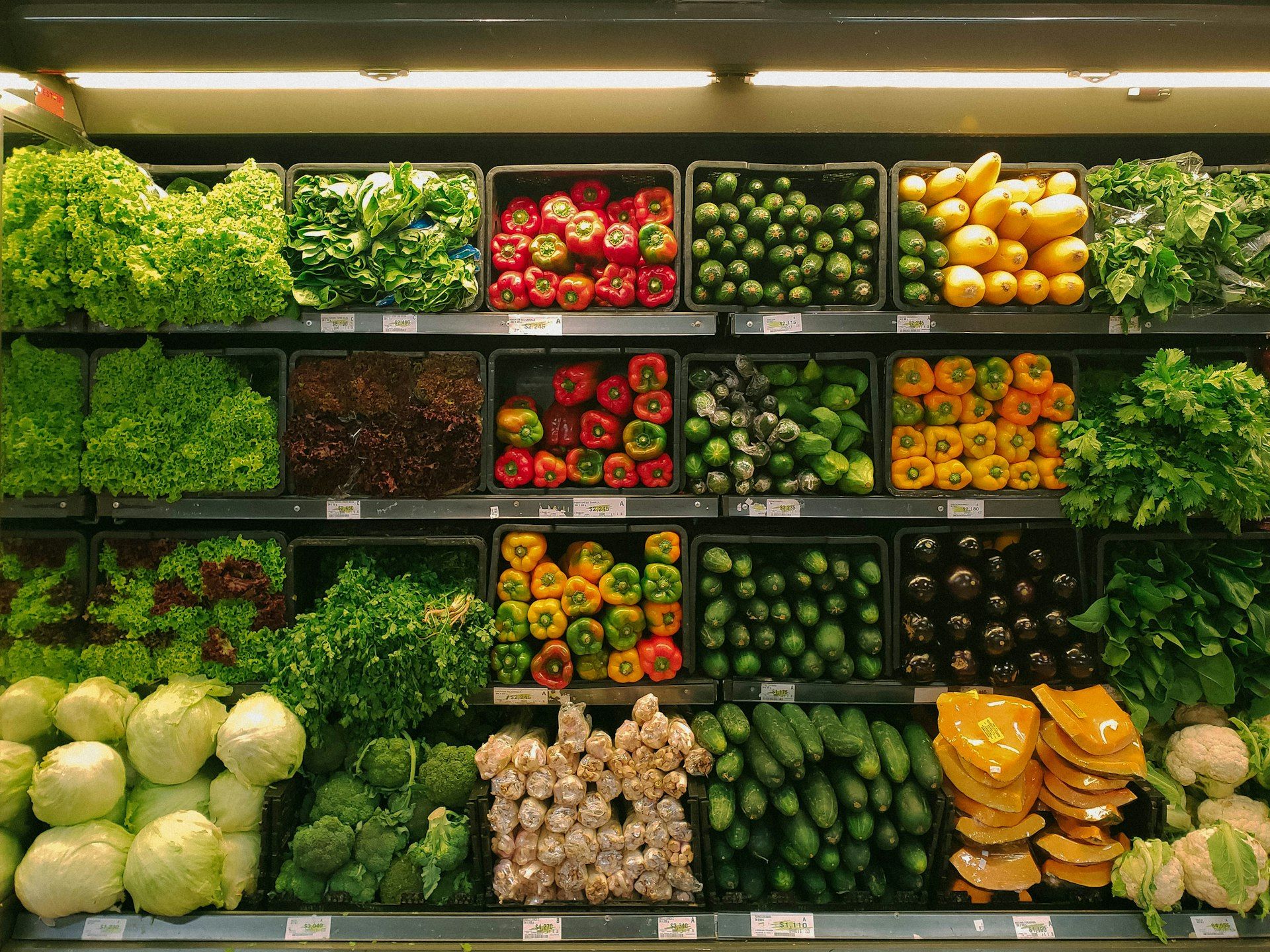
- Shop for foods that spoil: vegetables, fruit, eggs, meat, plain dairy, dried beans.
- If the ingredient list reads like a lab inventory, put it back even if the front says protein or whole grain.
- Cook once, eat twice. Leftovers beat a “healthy” frozen entrée with a flavor system.
- Keep the ultra-processed stuff for the road trip, not for the default Tuesday.
You do not need a government sticker to notice that a product never wilted. Real food announces itself by going bad. Factory food announces itself by lasting until you forget why you bought it. That is the warning, hiding in the pantry the whole time.