At first glance, sparkling water seems like one of the safest choices you can make. So when headlines start hinting at a possible cancer link, it makes sense to pause and take a closer look. The real question is not whether sparkling water is dangerous, but what, exactly, those concerns are actually about.
If you swapped soda for sparkling water, that was a smart move. Still, recent headlines and early research have raised a reasonable question: could canned sparkling water have any connection to colorectal cancer risk?
The short answer is that the science is still developing. There is no direct evidence of a link, but there is a detail worth understanding.
What the Concern Is Really About
The issue is not carbonation, there’s no evidence that carbon dioxide in sparkling water harms your digestive system or increases cancer risk. That part of the story is straightforward.
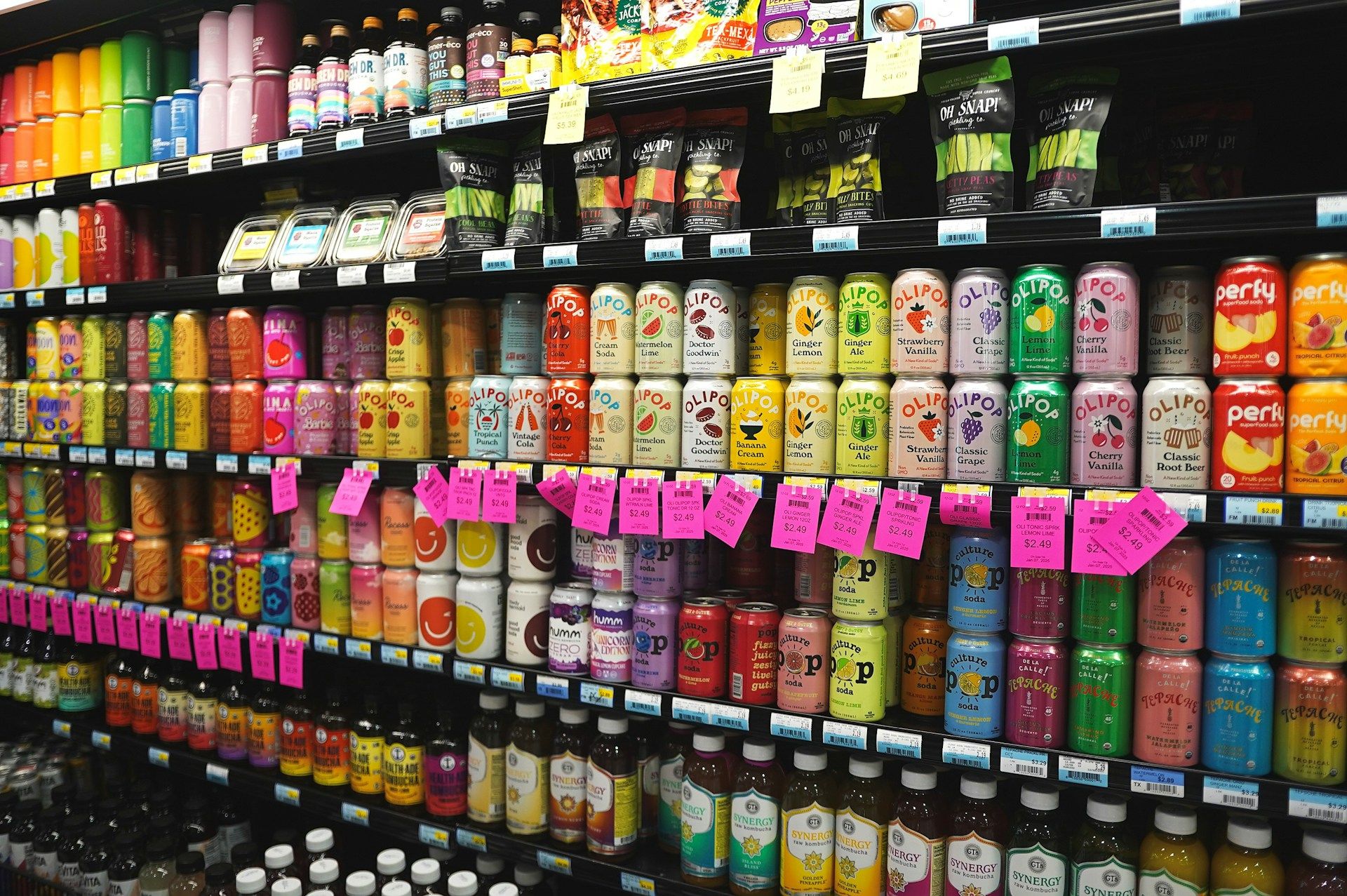
The concern comes from packaging. Most sparkling water is sold in aluminum cans that are lined with protective coatings. Some of these coatings can contain PFAS, a group of synthetic chemicals often referred to as “forever chemicals” because they don’t break down easily and can accumulate over time.
What PFAS Are and Why They Matter
PFAS have been widely used since the mid-20th century in products like nonstick cookware, food packaging, and water-resistant fabrics. Because they’re highly stable, they have gradually built up in the environment and in the human body.
Higher levels of PFAS exposure have been linked to a range of health concerns, including certain cancers, liver effects, thyroid disruption, and immune system changes. These associations have prompted increasing scrutiny from regulators and researchers.
When it comes to colorectal cancer, the connection is still being studied. Some researchers are exploring whether PFAS could contribute to chronic inflammation in the gut or interfere with normal cellular processes. At this stage, that work is preliminary and does not establish a direct cause-and-effect relationship.
How Much PFAS Is in Sparkling Water?
Some studies have detected PFAS in popular sparkling water brands. That can sound concerning, but context matters.
So far, the levels found in canned beverages have generally been well below current federal safety guidelines. Experts emphasize that the amounts measured are far lower than those known to cause harm in controlled studies, and in toxicology, dose is a major factor in determining risk.
That said, understanding of PFAS is still evolving. Safety thresholds have shifted in recent years as more data becomes available. Low-level exposure over long periods is an area researchers continue to examine, especially when it comes from multiple sources.
Keeping the Bigger Picture in Mind
Replacing sugar-sweetened beverages with sparkling water is still a meaningful improvement. The evidence linking soda, alcohol, processed meats, and highly processed foods to colorectal cancer risk is far more established than anything related to PFAS in beverage packaging.
If sparkling water helps reduce sugar intake or supports better hydration habits, that benefit should not be overlooked.
Simple Ways to Reduce Exposure
If you want to be cautious, you can make a few simple adjustments without giving up sparkling water.
Choosing glass bottles eliminates the issue tied to can linings. Using a home carbonation system allows you to control both the water source and the packaging. Rotating beverages throughout the day also helps limit repeated exposure from any single product.
Focus on the fundamentals. Diet quality, physical activity, body weight, smoking status, and routine screening have a far greater impact on colorectal cancer risk.
There’s no direct evidence that canned sparkling water causes colorectal cancer, the concern relates to PFAS in packaging and the possibility of long-term exposure effects.
A balanced approach makes sense. Stay informed, make small adjustments where they’re easy, and keep your attention on the habits that matter most. Sparkling water remains a reasonable choice, especially when it replaces less healthy options.