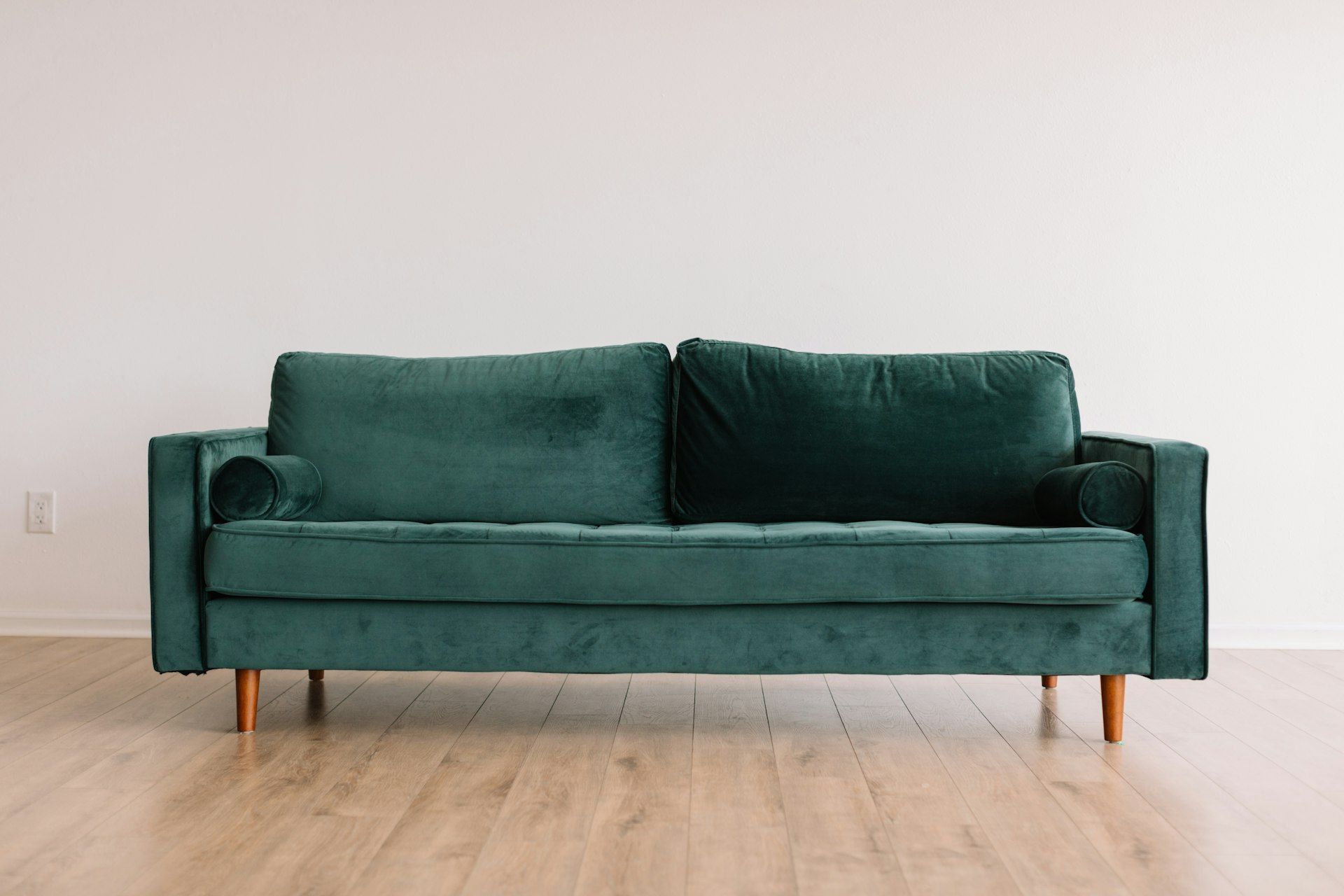
The sofa looks inert. The dust is not. Chemical flame retardants used to meet old furniture flammability rules migrate out of foam and into household dust, where children get a disproportionate dose. You do not have to set the couch on fire to be exposed. You have to sit on it, vacuum around it, and let a toddler play on the rug.
California’s Technical Bulletin 117 once pushed manufacturers across North America toward additive chemicals in upholstered foam. The 2013 update, TB117-2013, is a smolder standard for fabric. It no longer requires those chemical loads to pass. The furniture bought under the old rules is still in living rooms.
Are flame retardants still in furniture and house dust?
Yes, especially in older foam. Polybrominated diphenyl ethers were widely used, then phased out; replacements such as organophosphate esters, including TCEP and TDCIPP, showed up in California house dust after the PBDE phase-out. Some of those organophosphates are listed as carcinogens under California’s Proposition 65. Firemaster 550 components rose as pentaBDE left the market. Additives that are not bound to the foam move into air and dust.
A 2021 study in Environment International followed California homes that replaced older upholstered furniture or foam with pieces expected to be flame-retardant-free under the new standard. Concentrations of several PBDEs, chlorinated organophosphate flame retardants, and triphenyl phosphate fell in nearly all homes after replacement. Follow-up work found blood PBDE markers declined faster in people who replaced furniture than in a comparison group.
Do new sofas still need chemical flame retardants?
Not under TB117-2013. Look for labels that say the piece meets the new standard without added flame retardants. If a couch is older than the standard change, treat it as a chemical product as well as a seat. Babies and toddlers get more dust in their mouths. Vacuum with a HEPA filter, wash hands, and do not park the nursery on a 2005 sectional.
How can you reduce flame retardants at home?
- When you buy seating, ask for TB117-2013 compliance without added flame retardants.
- Replace or re-foam the oldest cushions first.
- Vacuum, wet-dust, and wash toddler hands. Dust is the delivery system.
- Renters can still control the floor even when they cannot dump the couch.
Look for a hangtag that says the piece meets TB117-2013 without added flame-retardant chemicals if the manufacturer discloses that. Absence of a tag is not proof of a clean foam. It is a reason to ask. Children’s products have additional federal restrictions on some PBDEs, but the adult sofa in the same room still sheds into the same dust.
How can you cut flame-retardant dust at home?
Dust is the exposure pathway you can actually interrupt. Vacuum with a HEPA filter. Wet-mop hard floors. Wash toddler hands before snacks. Do not assume a fancy “chemical-free” spray will bind foam additives that are already in the carpet. When a couch is dying, replace it rather than re-foaming it with mystery scraps. If you keep an old piece, a washable cover and less carpet in the play zone are boring, effective steps.
Fire safety still matters. Smoke alarms, exit plans, and not leaving a space heater against drapes do more for a household fire than a 1990s foam recipe. The old standard asked furniture to take a punishment many living rooms never needed, and it answered with additive chemicals that did not stay in the cushion. Buy the newer standard on purpose. Ventilate. Clean dust like it is a source, because it is.
Fire safety is real. So is a living room that slowly seasons the air with yesterday’s chemistry. The update to the furniture standard was an admission that the old recipe was optional. Your dust bunnies did not get the memo until you hauled the sofa out.
The chemical era of furniture foam was a policy choice, not a law of physics. New purchases can leave the additives out. Old foam can leave the house. Dust you can see is not the whole load, but cleaning it is still the adult job. Do not fog the living room with a scent product and call that remediation. Open a window. Vacuum. Buy the next sofa on a standard that no longer requires a chemical sponge.