After-meal bloating has a talent for turning a good plate into a “why did I eat that afternoon—and every shopping tab into another peppermint capsule that promises calm. Everyday post-meal puffiness is not always a rare gut diagnosis. Sometimes it is speed-eating at the desk, a late heavy feast, zero movement after the last bite, a personal pattern with soda and gum you have never tested, a plate that piles hard-to-digest combos on top of each other, a tight waistband after lunch, or stress that keeps the gut on high alert while you hope the mint will fix it.
Another peppermint-and-hope habit can feel like a plan. A mint tea or capsule can help some people. It is a blunt tool when every week still starts with a stuffed feeling after meals, then another antacid scroll, then another “digestive” gummy, while pace, timing, walking, drink experiments, plate simplicity, and posture go unfixed.
This is not medical advice and not a diagnosis of IBS, food intolerance, celiac disease, gallbladder disease, obstruction, or anything else. See a clinician promptly for severe or worsening abdominal pain, repeated vomiting, blood in stool or vomit, unexplained weight loss, fever with gut symptoms, sudden severe distension, black stools, or bloating that wakes you with pain night after night despite sensible home care. Those are clinician problems—not another DIY “chew mint and hope” speech.
For the common “I feel stuffed and gassy after meals, it flares when I rush or feast late, and peppermint alone is not fixing it pattern in otherwise well adults, quieter home care often beats peppermint-and-hope: eat slower and stop when comfortably full, move the last big meal earlier when you can, walk about ten minutes after meals, run a personal experiment with carbonation, gum, and sugar alcohols, simplify the plate, loosen the waistband and unslump after eating, and know when DIY stops being enough.
You can keep early-morning email. Just do not chase the inbox at dawn while ignoring the meal pace, timing, and movement habits that keep the gut noisy after lunch.
1. Eat slower and stop when comfortably full—not stuffed-and-hope
Most people do better putting the fork down between bites than with a plan that is only “finish the plate and hope the pressure goes away.” Everyday after-meal bloating often sits next to speed-eating, screens at the table, and stopping only when the belt complains. You are not joining a mindfulness cult. You are giving your gut a chance to keep up so fullness registers before you overshoot.
Think quieter swaps, not a forever diet vow. Chew more. Pause mid-meal. Notice whether afternoons feel calmer after lunches that ended at comfortably full instead of holiday-level stuffed.
Keep the early inbox. Pair it with meals that are not a race against the clock.
2. Lighten and earlier the last big meal—late feasts stack the evening
A heavy dinner pushed late can leave the gut working overtime when you would rather wind down. Moving the largest plate earlier when your schedule allows—and keeping the evening plate lighter—is not a purity rule. It is quieter load management so nighttime is not peak digestion hour.
You do not need a 5 p.m. dinner cult. You need fewer weeks where the only plan is a huge late feast, then peppermint, then regret. Protein and vegetables without a second-course pile often beat another ignore-and-hope midnight snack stack.
Timing is a lever. Use it before you escalate to another mint-only plan.
3. Walk about ten minutes after meals—stillness is not a digestion strategy
A short walk after your largest meal supports everyday comfort many people notice more than another capsule. You are not training for a race. Ten minutes around the block, stairs, or a hallway loop counts. The point is fewer glued-to-chair post-meal hours where the only plan is sitting and hoping the pressure fades.
Keep early email; attach a short walk to a break you already take after lunch or dinner. Soft movement beats another hour of peppermint-and-hope as the only tool.
Walking is unglamorous. It often matters more than another shopping-tab remedy.
4. Run a personal experiment with carbonation, gum, and sugar alcohols
Bubbly drinks, chewing gum, and sugar alcohols (common in “sugar-free” sweets and some protein bars) affect different people differently. Some notice more gas and bloating; others notice nothing. The useful move is a short personal experiment: hold or reduce one variable for a week and watch your own pattern—not a purity lecture from the internet.
Do not treat this article as a forever ban. If afternoon soda reliably worsens post-meal puffiness, that is useful data. If morning sparkling water stays fine, keep it—especially alongside early email.
Personal experiments beat borrowed dogma.
5. Simplify the plate—less pile-on of hard-to-digest combos
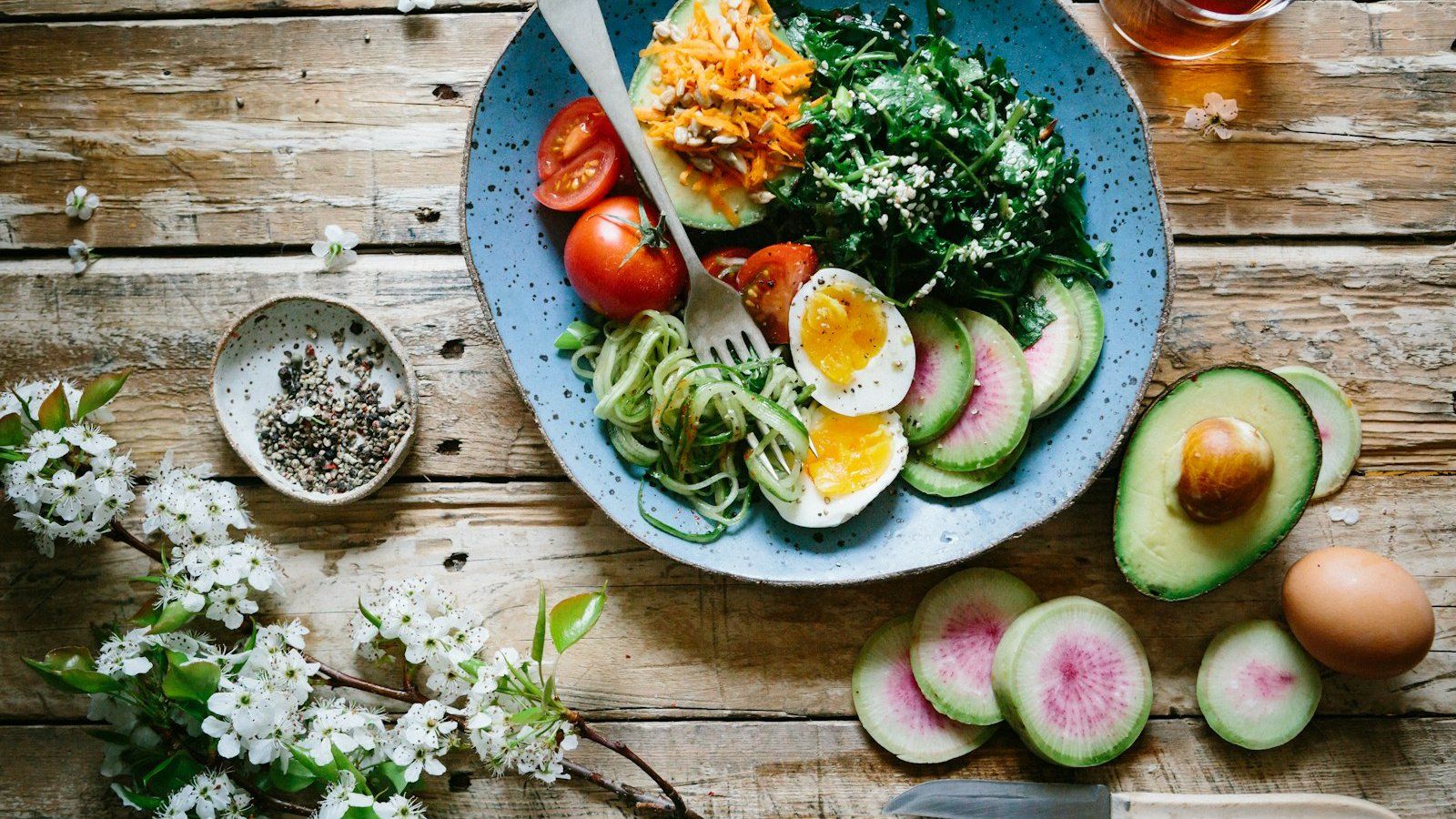
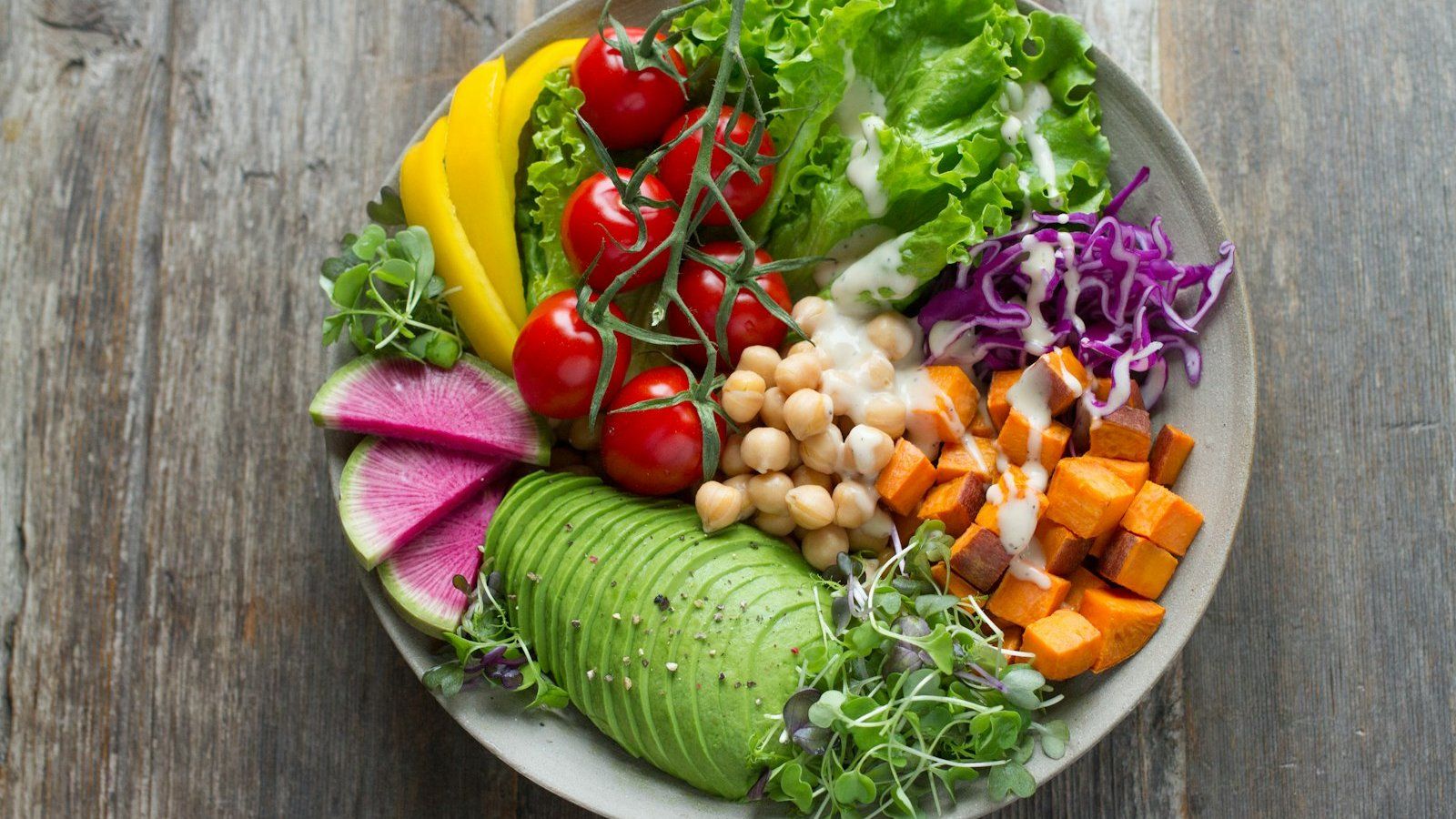
A plate that stacks a heavy combo of rich sauces, large portions of beans-plus-brassicas-plus-dairy-plus-dessert in one sitting can be fine for some days and noisy for others. You are not diagnosing intolerance from a blog. You are noticing whether “everything at once” meals leave you more uncomfortable than simpler plates with protein, a vegetable, and a starch you tolerate.
Simpler is not boring forever. It is fewer weeks where the only strategy is a feast, then mint, then another feast. Build one quieter plate this week and compare how you feel two hours later.
Plate simplicity is load management—not a cure claim.
6. Loosen the waistband and unslump after eating—desk hunch is load
A tight belt and a post-lunch desk hunch can make ordinary fullness feel louder. Loosening the waistband, sitting taller for a few minutes, or standing after the meal is not vanity—it is quieter mechanical relief so the gut is not compressed while it works.
You do not need a posture gadget empire. You need fewer afternoons where the only plan is “suck it in and hope.” Uncross. Unslump. Walk to refill water instead of folding over the keyboard for an hour.
Posture after meals is unglamorous. It often matters more than another peppermint-and-hope scroll.
7. Know when bloating needs a clinician—not another mint week
Home habits help ordinary, pace-and-meal-habit-related after-meal discomfort. They are the wrong tool for severe pain, vomiting, blood, unexplained weight loss, fever, sudden severe distension, black stools, or symptoms that keep escalating despite slower eating, earlier lighter dinners, walking, drink experiments, simpler plates, and posture changes.
Keep early-morning email. Support quieter post-meal hours with slower eating, better timing, a short walk, personal carbonation/gum/sugar-alcohol experiments, a simpler plate, a looser waistband—and get real care when red flags show up.
Home care is not a contest against medicine. It is the boring work of removing avoidable load: pace, timing, walking, experiments, plate simplicity, posture, and knowing when DIY ends. Start with one or two changes this week. Give them a fair run. Everyday after-meal bloating often settles when your routine stops stacking peppermint-and-hope—and when red flags appear, you stop DIY and get evaluated.