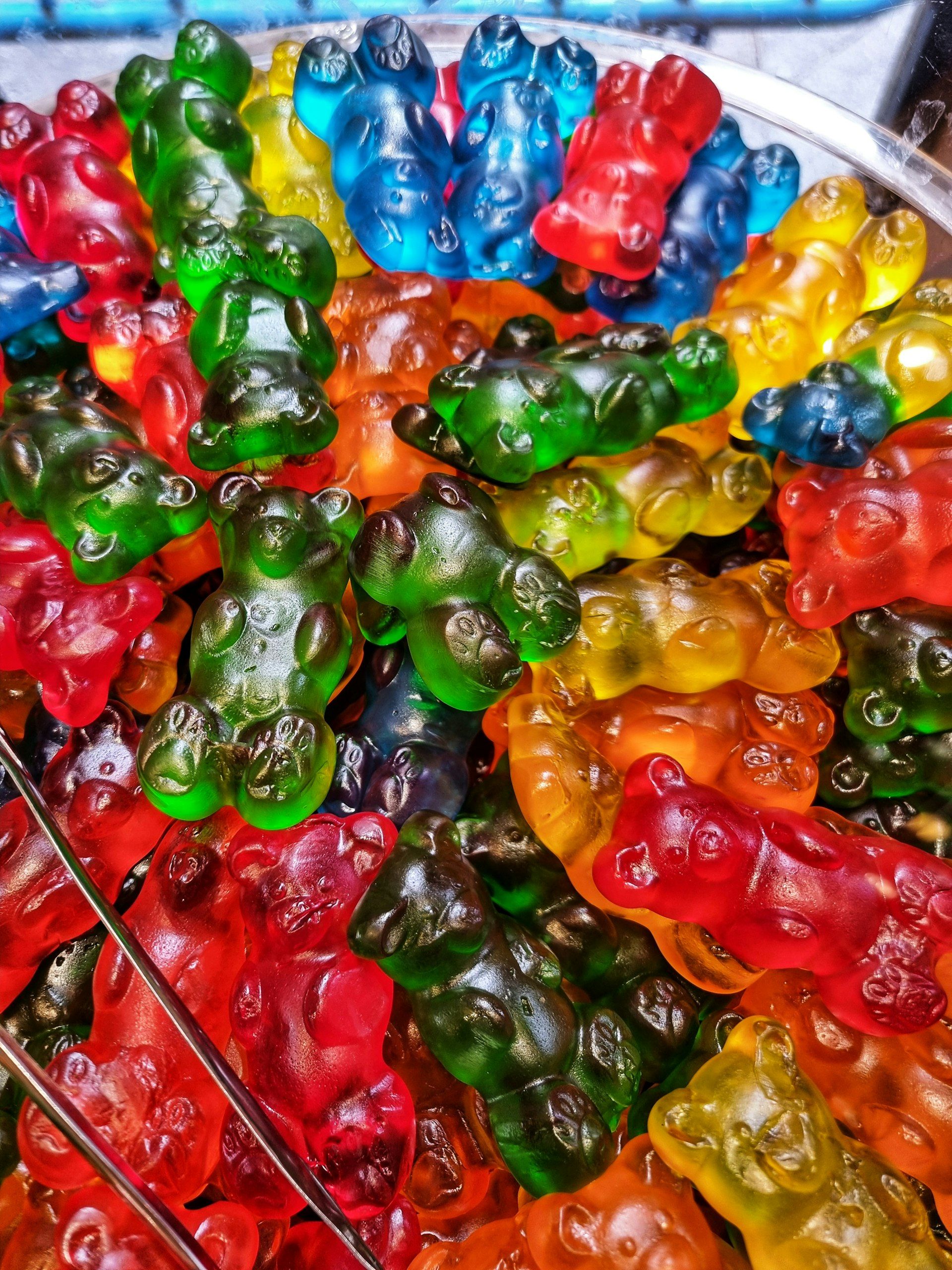
Open a children’s cereal box in the United States and you may get a rainbow the food did not grow. Artificial food dyes such as Red 40 and Yellow 5 are still legal in American groceries, even as Europe has required warning labels on several of the same colors for years. The dye is not there for nutrition. It is there so the loop looks like a cartoon.
Parents are not imagining the double standard. The same multinational brands have long sold brighter formulas here and quieter ones abroad. That is a business decision dressed up as a recipe.
Are food dyes banned in Europe but not the US?
Not exactly, and the exact part matters. In 2010 the European Union required a warning on foods containing certain synthetic colors studied in the Southampton research: they “may have an adverse effect on activity and attention in children.” Manufacturers in Europe often reformulated to avoid the label. The United States did not require that sentence.
The colors at issue include Allura Red (Red 40) and tartrazine (Yellow 5), plus others that overlap only partly with the U.S. certified list. California’s Office of Environmental Health Hazard Assessment reviewed the evidence in 2021 and concluded that synthetic food dyes can cause or worsen neurobehavioral problems in some children. That is a state scientific body, not a blog post.
A 2007 randomized trial in The Lancet by McCann and colleagues — the Southampton study — found that mixes of food colors and the preservative sodium benzoate increased hyperactivity in children from the general population. It did not prove every child is sensitive. It did show a measurable behavioral effect in a controlled setting. Europe responded with labels. The U.S. responded, for a long time, with permission to keep the rainbow.
Why are synthetic dyes still in kids’ cereal?
Because they are cheap, stable, and they sell. Petroleum-derived certified colors have no nutritional job. They make a grain-and-sugar product look more exciting than a bowl of oats. The Food and Drug Administration has begun a voluntary industry phase-out of several petroleum-based dyes, and it has moved to revoke little-used colors such as Red 3, Orange B, and Citrus Red No. 2. Voluntary is the key word for the big six still in the aisle: Red 40, Yellow 5, Yellow 6, Blue 1, Blue 2, and Green 3.
States have not waited. California restricted synthetic dyes in foods served in public schools, with implementation dates rolling forward. Other states have followed with school-food limits. That patchwork is a tell. When school cafeterias are told to drop a dye that the national food supply still pours into Saturday-morning cereal, the science is not the mystery. The politics of the grocery aisle are.
Industry will say the amounts are small and the colors are “FDA approved.” Approved is not the same as beneficial. A dye can be legal and still be a bad idea in a food marketed to children who already get more additive chemistry than a previous generation did from whole fruit. If the only purpose of the color is to imitate berries the box does not contain, the honest move is to put berries in the bowl instead.
How can you avoid artificial food dyes at the store?
You do not need a chemistry degree. You need the ingredient list.
- Look for Red 40, Yellow 5, Yellow 6, Blue 1, Blue 2, Green 3, and Red 3 by name. They are not hiding.
- Be suspicious of neon yogurt, “fruit” snacks with no fruit, and cereals that stain the milk.
- Choose plain oats, unsweetened yogurt, and actual berries if you want color that came from a plant.
- If a brand sells a dye-free version for schools or for Europe, ask why the American box still needs the old formula.
Kids do not require turquoise breakfast. They require food. Until federal rules catch up with what Europe labeled and California reviewed, the parent holding the box is the regulator. Put the cartoon colors back on the shelf.