
Diagnostic Error Is the Patient-Safety Crisis Hiding in Plain Sight
Most people will get a wrong or delayed diagnosis in a lifetime. That is not a rare fumble — it is how American medicine still fails, quietly, between visits.
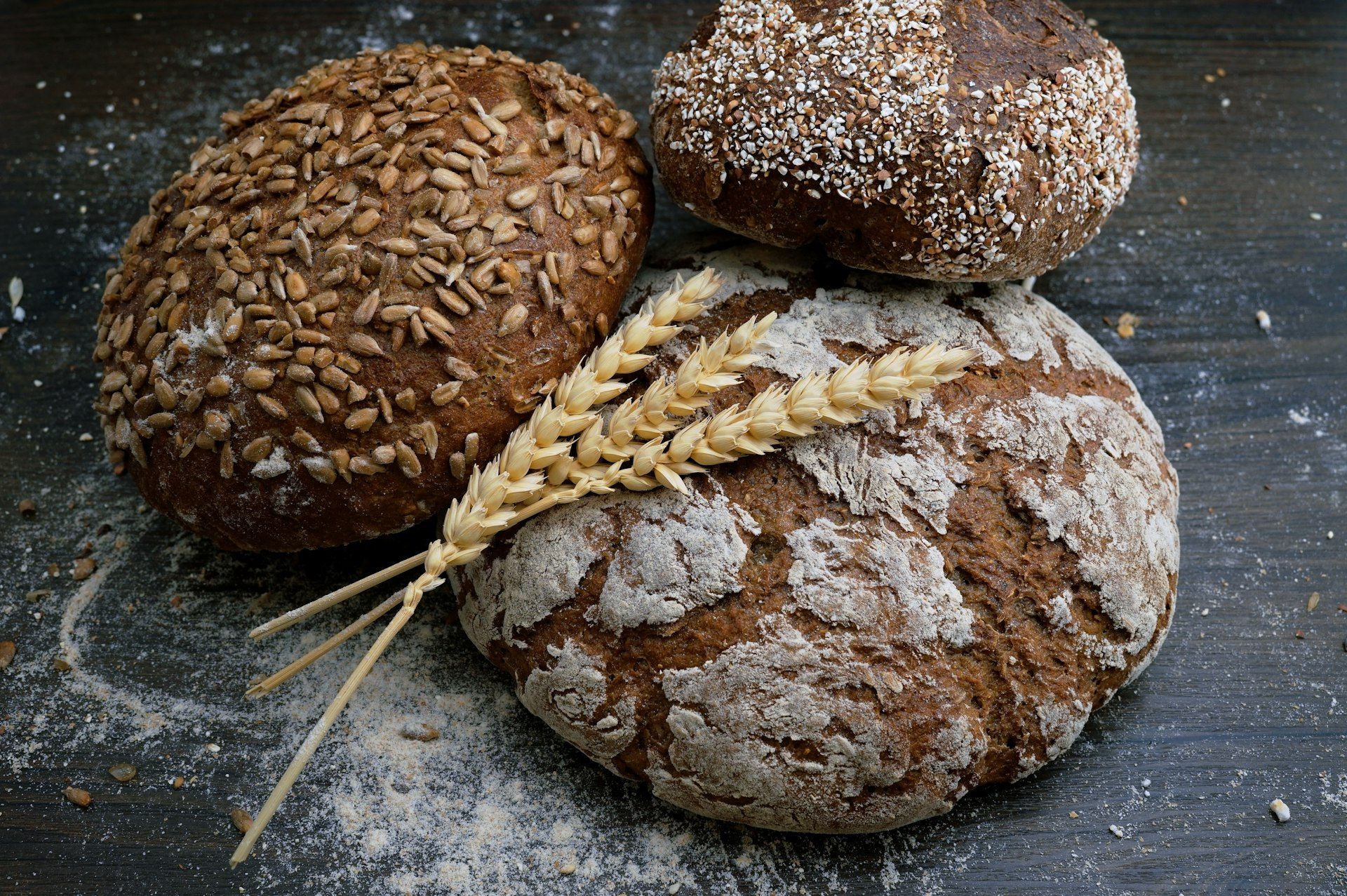
Whole-Grain Stamps Do Not Turn Cookies Into Health Food
A whole-grain stamp on a cookie is honest arithmetic on a dishonest plate. Grams of bran do not turn dessert into breakfast or cancel added sugar.
Sea Salt Fashion Quietly Reopened America’s Iodine Problem
U.S. salt iodization is still voluntary. Fancy sea salt and processed-food sodium usually carry no iodine — and pregnant women are the ones who pay first.
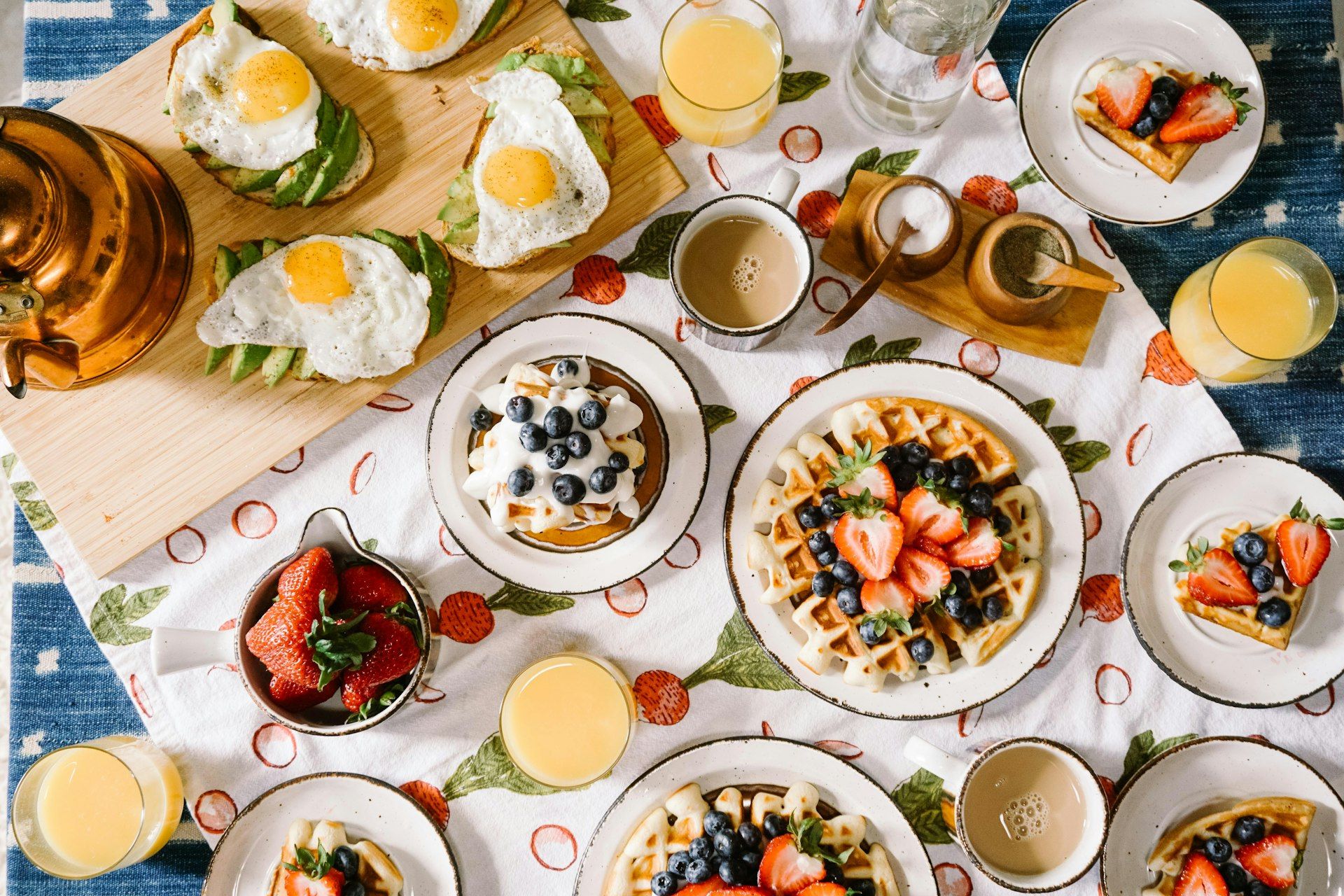
Fortified Breakfast Cereal Is Still Not a Health Food
A vitamin premix on the side of the box does not cancel the sugar, dyes, and ultra-processed starch. Fortification is a patch, not a breakfast.
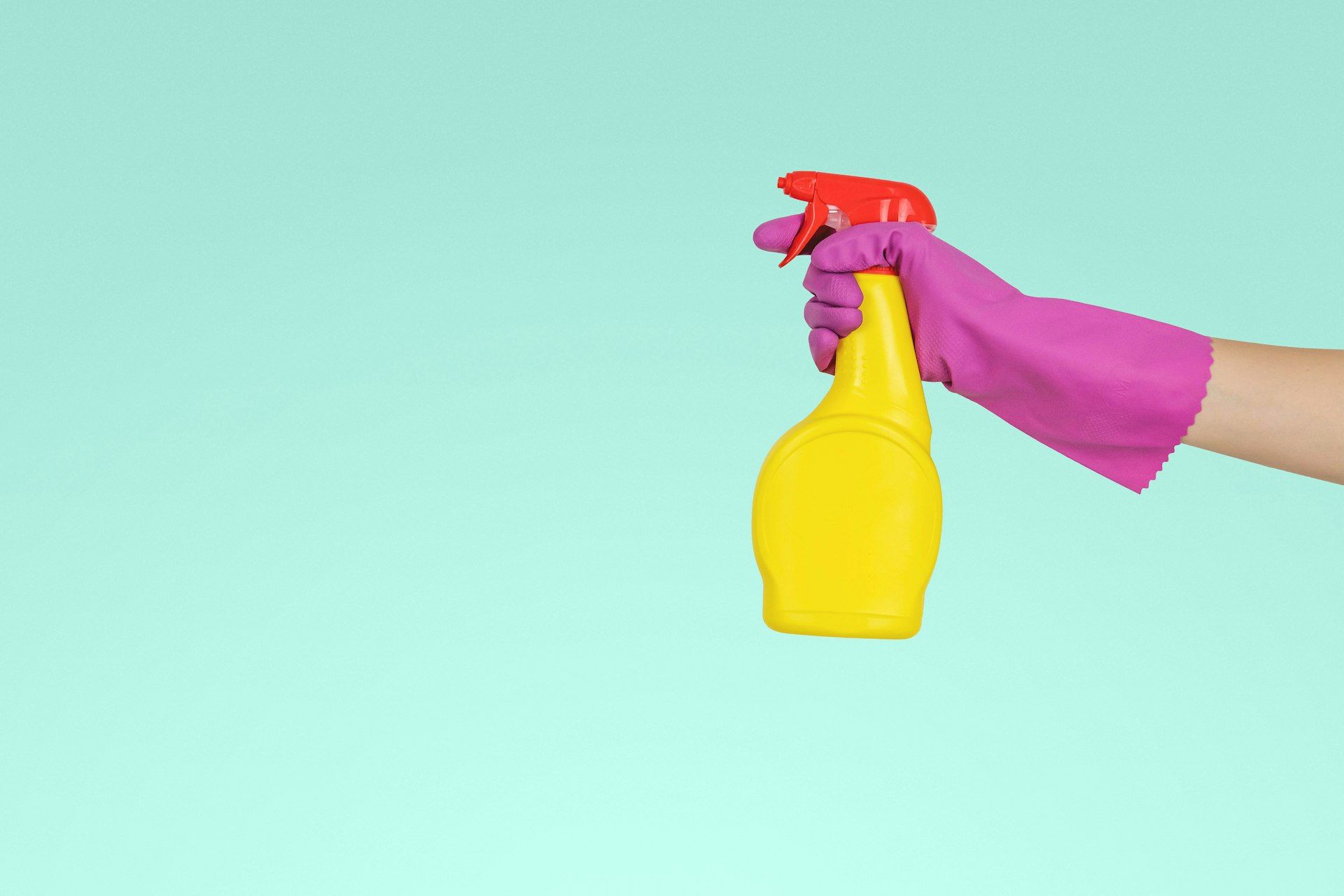
Scented Cleaners Can Make Indoor Air Dirtier Than the Outdoors
EPA research found common indoor pollutants several times higher inside homes than outside. Lemon-scented spray is not fresh air — it is chemistry you breathe.
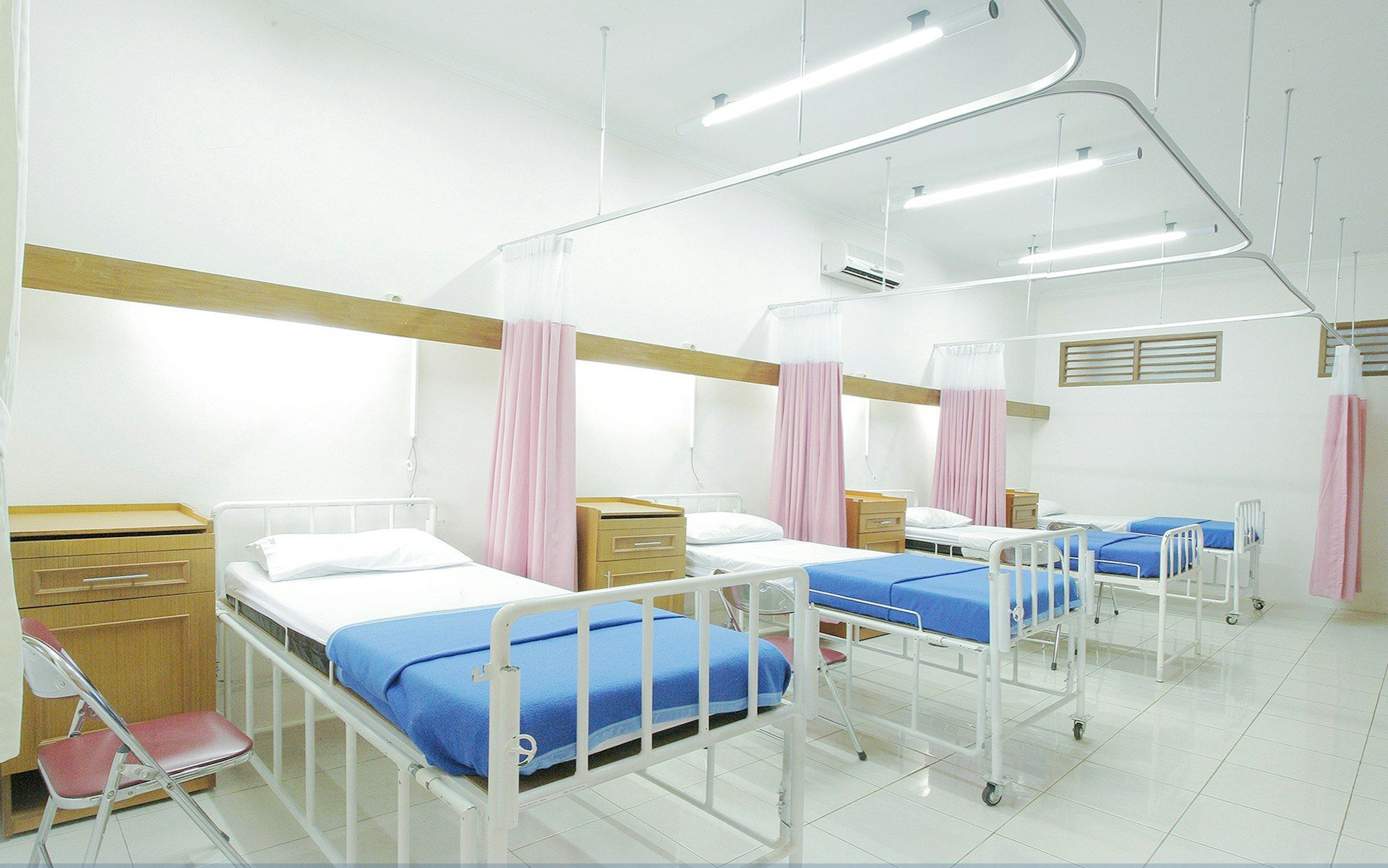
One in Three U.S. Births Is a C-Section. That Is Not Destiny
U.S. cesarean rates sit above 32 percent, including among low-risk first births. Surgery saves lives when needed — it should not be the default of American obstetrics.
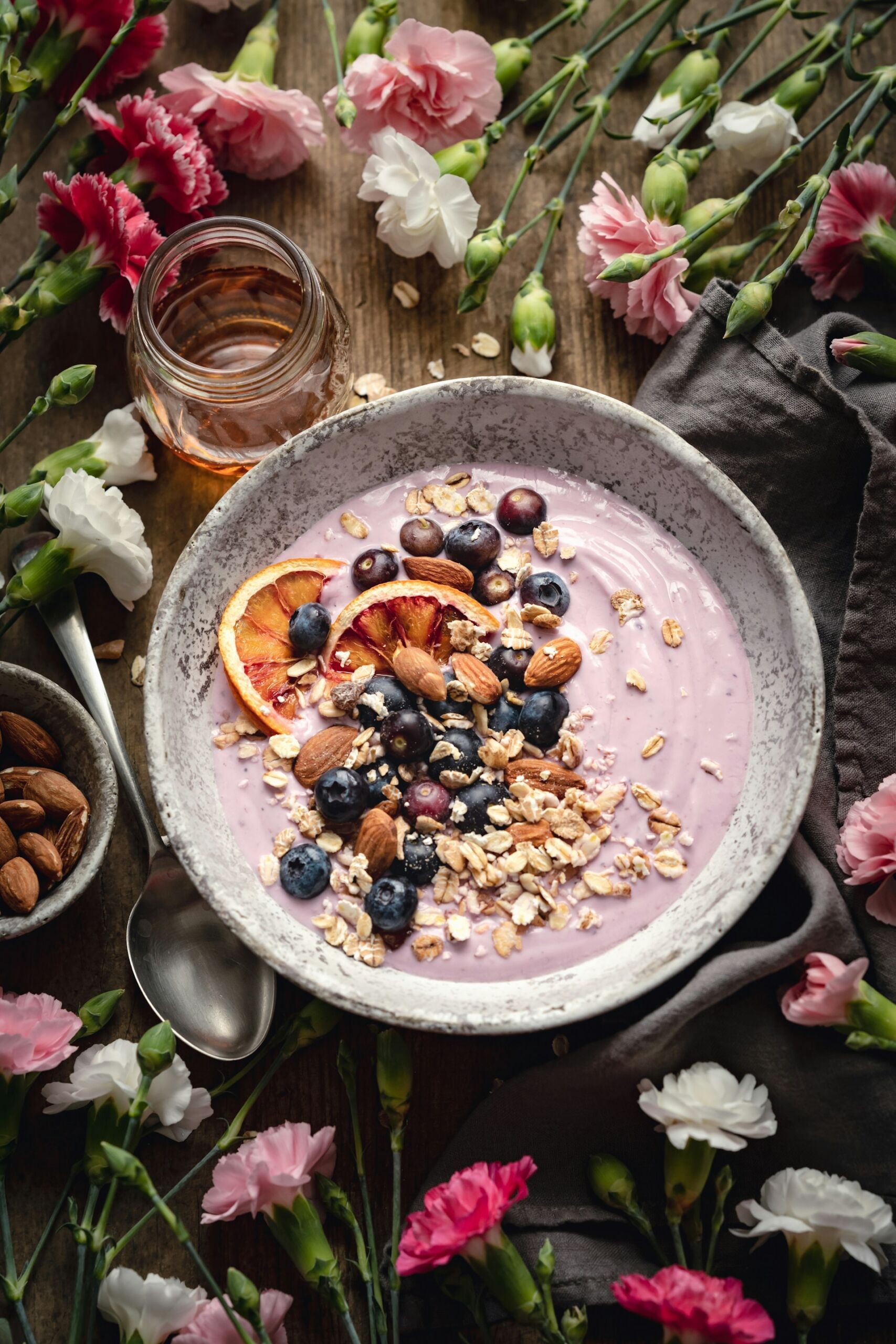
Glyphosate Keeps Showing Up in Conventional Oat Cereal
Independent tests keep finding glyphosate in conventional oats after pre-harvest spraying. USDA often skips that residue test — organic oats are the practical swap.
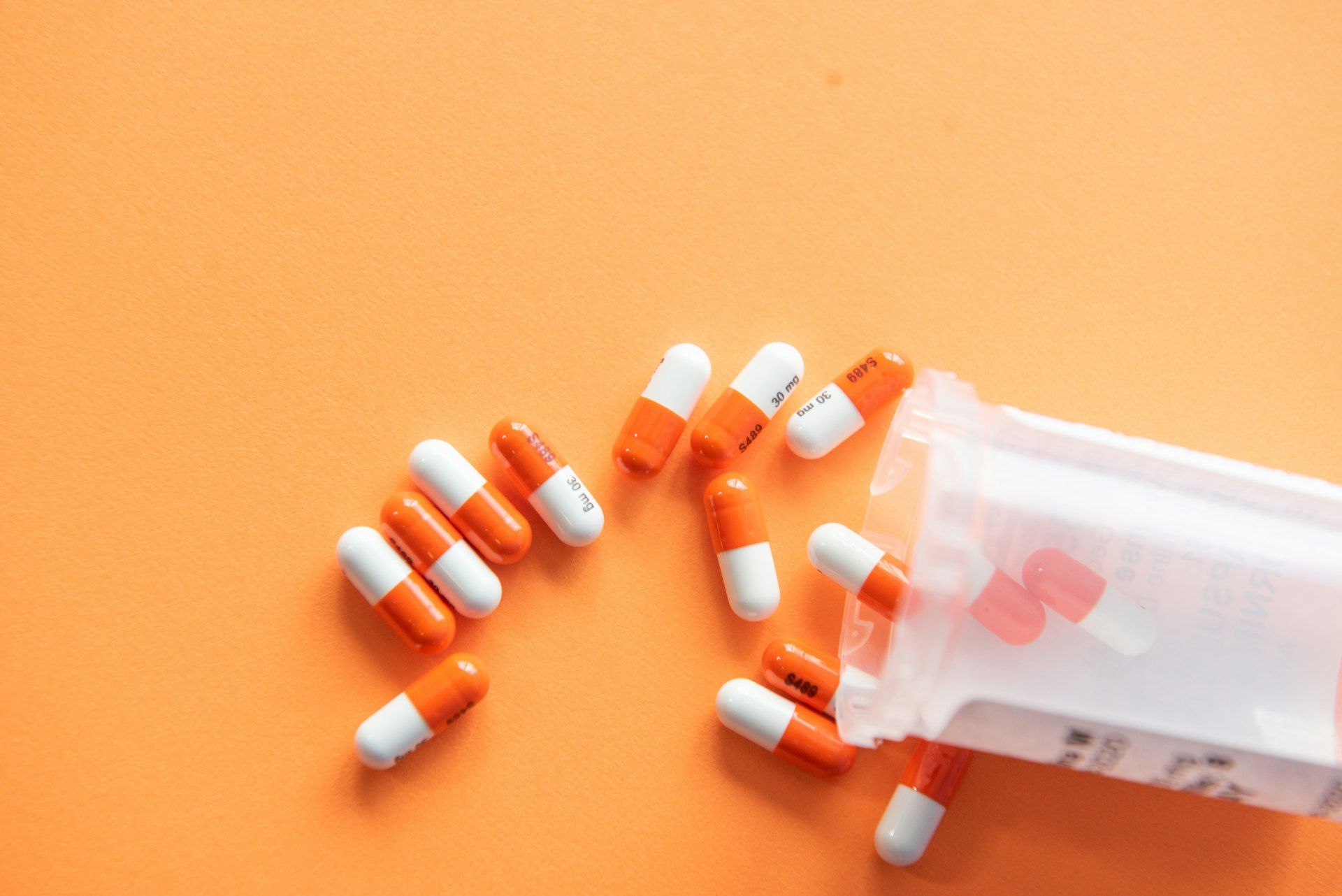
Acetaminophen Is the Leading Cause of Acute Liver Failure in America
The painkiller in the cabinet is the top cause of U.S. acute liver failure. Unintentional double-dosing from combo cold meds is half the problem — count every milligram.
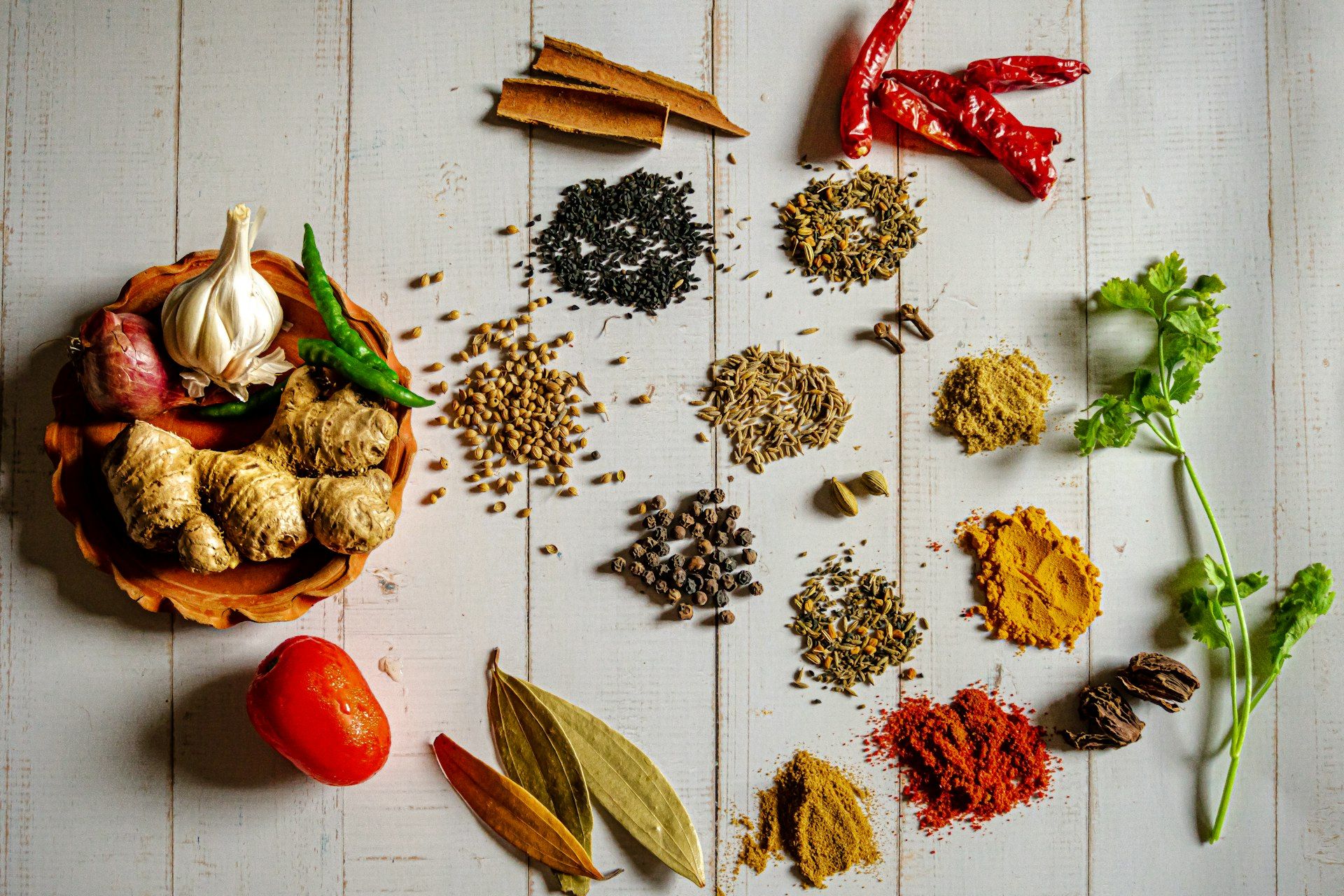
The GRAS Loophole Lets Companies Declare Their Own Additives Safe
Generally Recognized as Safe began as vinegar and flour. It became a voluntary-notice back door. If FDA never saw the file, the ingredient is not ‘approved.’ It is assumed.
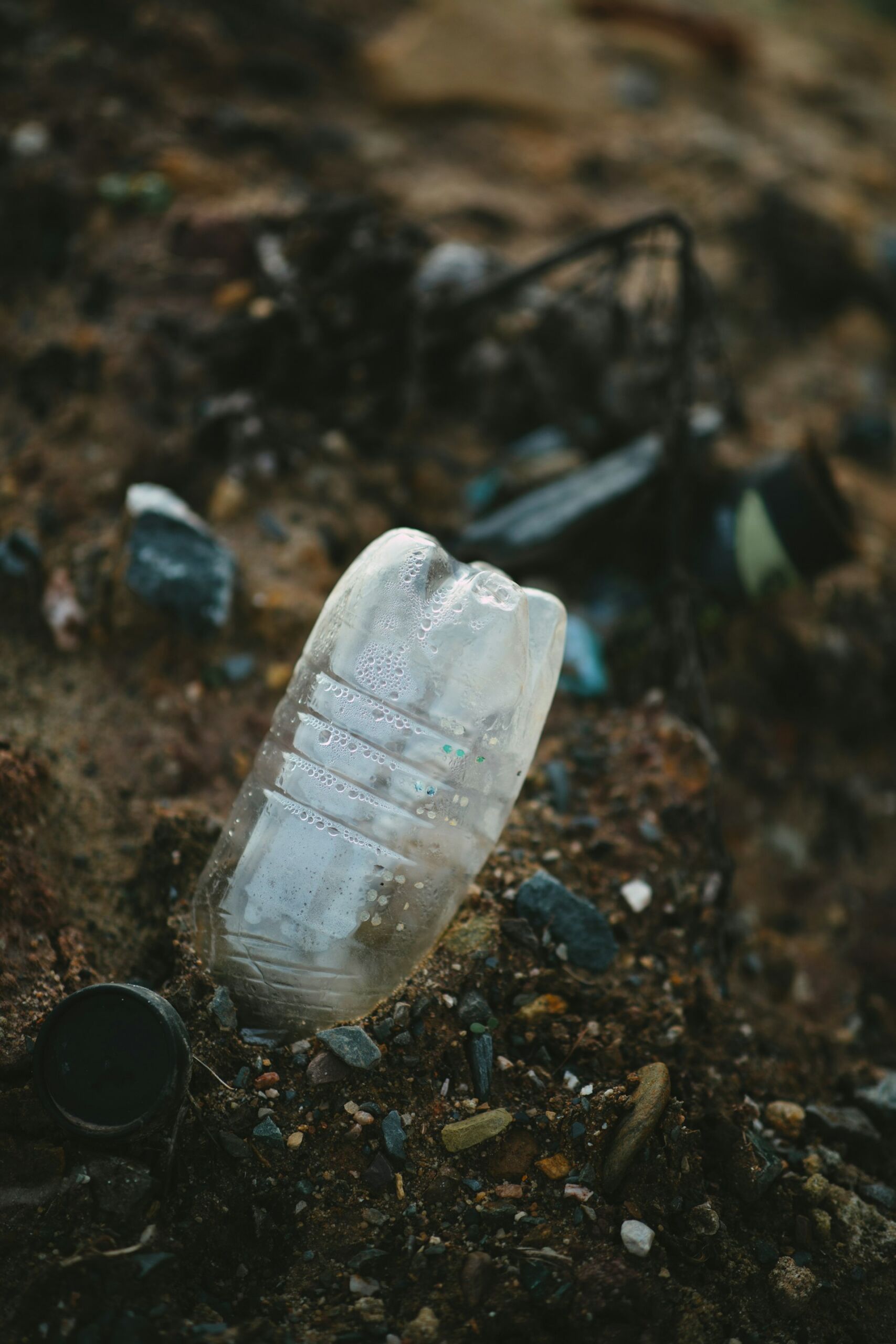
Bottled Water Can Carry Hundreds of Thousands of Plastic Particles
A PNAS study found about 240,000 plastic particles per liter in bottled water, mostly nanoplastics. Tap water in glass or steel is the less plastic lunch.